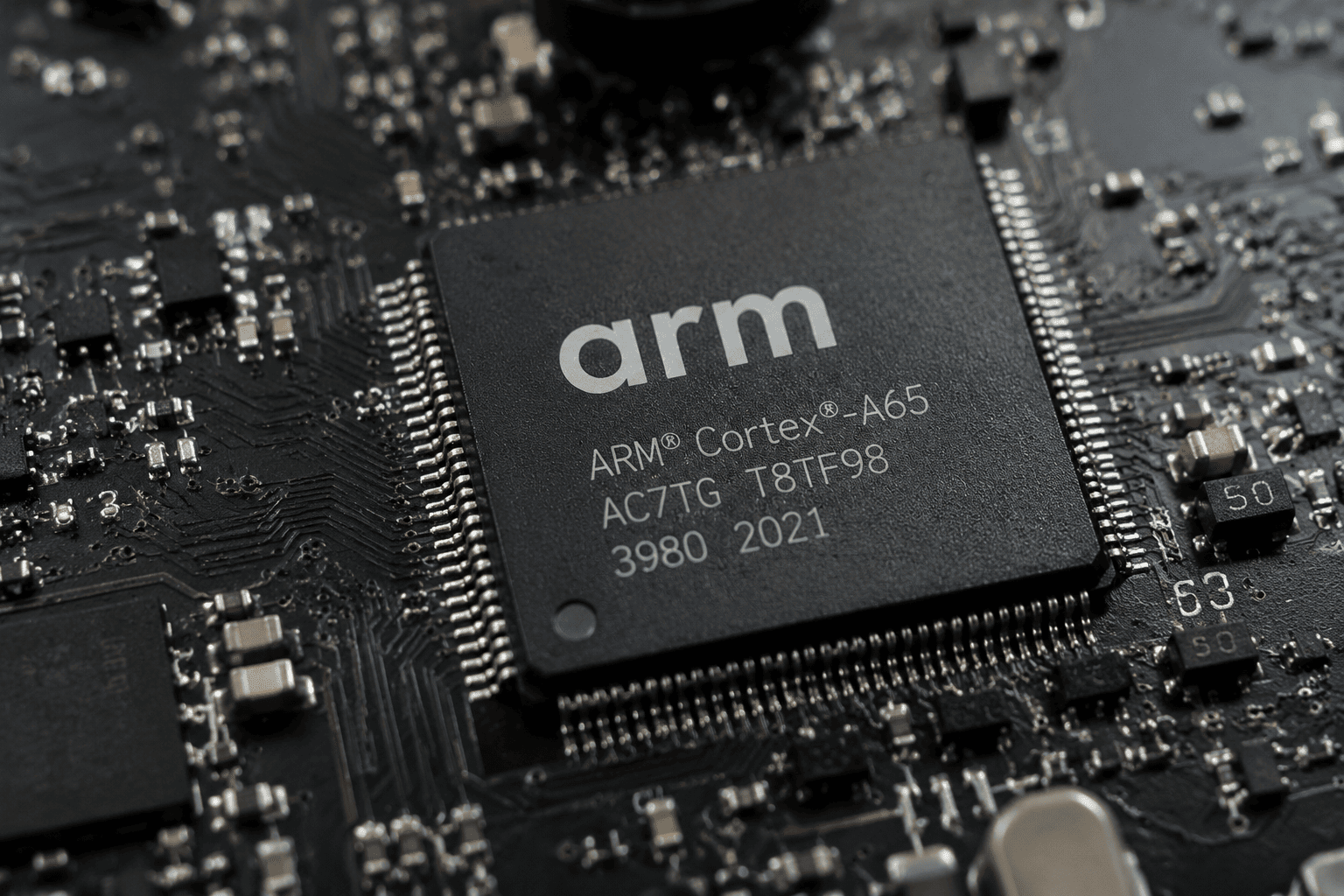
Arm Holdings experienced a sharp decline in its stock price on Thursday, falling approximately 12% in regular trading. The drop came as investors focused on weaker-than-expected smartphone-related royalty revenue, despite the chip designer reporting higher quarterly sales and earnings. The retreat extended a pullback that began after the company released its fiscal second-quarter results.
The market's reaction highlighted a growing scrutiny of weaknesses in established business segments, even as artificial intelligence (AI) growth remains robust. Arm reported a 27% year-over-year increase in revenue to $1.44 billion, surpassing analysts' expectations of $1.38 billion. Adjusted earnings came in at 52 cents per share, compared with the 48 cents forecast by Wall Street.
However, royalty revenue rose just 8% to $670 million, falling short of the $705 million analysts had anticipated. The company attributed some of the pressure to higher memory prices affecting the smartphone market. Royalty revenue represents fees Arm receives when partners ship or sell chips built using its designs and architecture. The slower growth in this segment raised concerns about demand for smartphones, which remain an important part of the company's business.
Arm said its data center gains were partially offset by the impact of memory pricing on the smartphone market. Tight memory-chip supply has also been a concern for smartphone manufacturers, including Apple. The results followed a strong rally in Arm shares, which had gained 75% year-to-date through Wednesday's close. The weaker royalty figures gave investors a reason to take profits, despite the company's overall earnings and revenue beats.
Looking ahead, Arm expects adjusted earnings of between 52 cents and 60 cents per share in the current quarter, with the midpoint of that range being 1 cent above analysts' expectations. Analysts have weighed in on the results, with JPMorgan's Harlan Sur maintaining an Overweight rating but lowering his price target to $245 from $255. Sur described the results as solid, despite softer smartphone-related royalties, and highlighted licensing revenue, which increased 50% year-over-year to $773 million, as a key positive. He attributed the growth to several large agreements and continued conversion of the company's backlog.
Sur also noted that Arm's artificial general intelligence (AGI) CPU opportunity was becoming firmer, with purchase orders already secured from multiple customers. Arm said its confidence in generating up to $2 billion in AGI CPU revenue through fiscal 2027 and 2028 had increased over the past 90 days, supported by additional supply and customer mix. Morgan Stanley's Lee Simpson described the results as solid but said they offered limited new information. He noted that the company had made progress on its CPU plans, while the main challenge was executing the initial volume ramp to customers. Simpson maintained an Equal-Weight rating and a $212 price target.
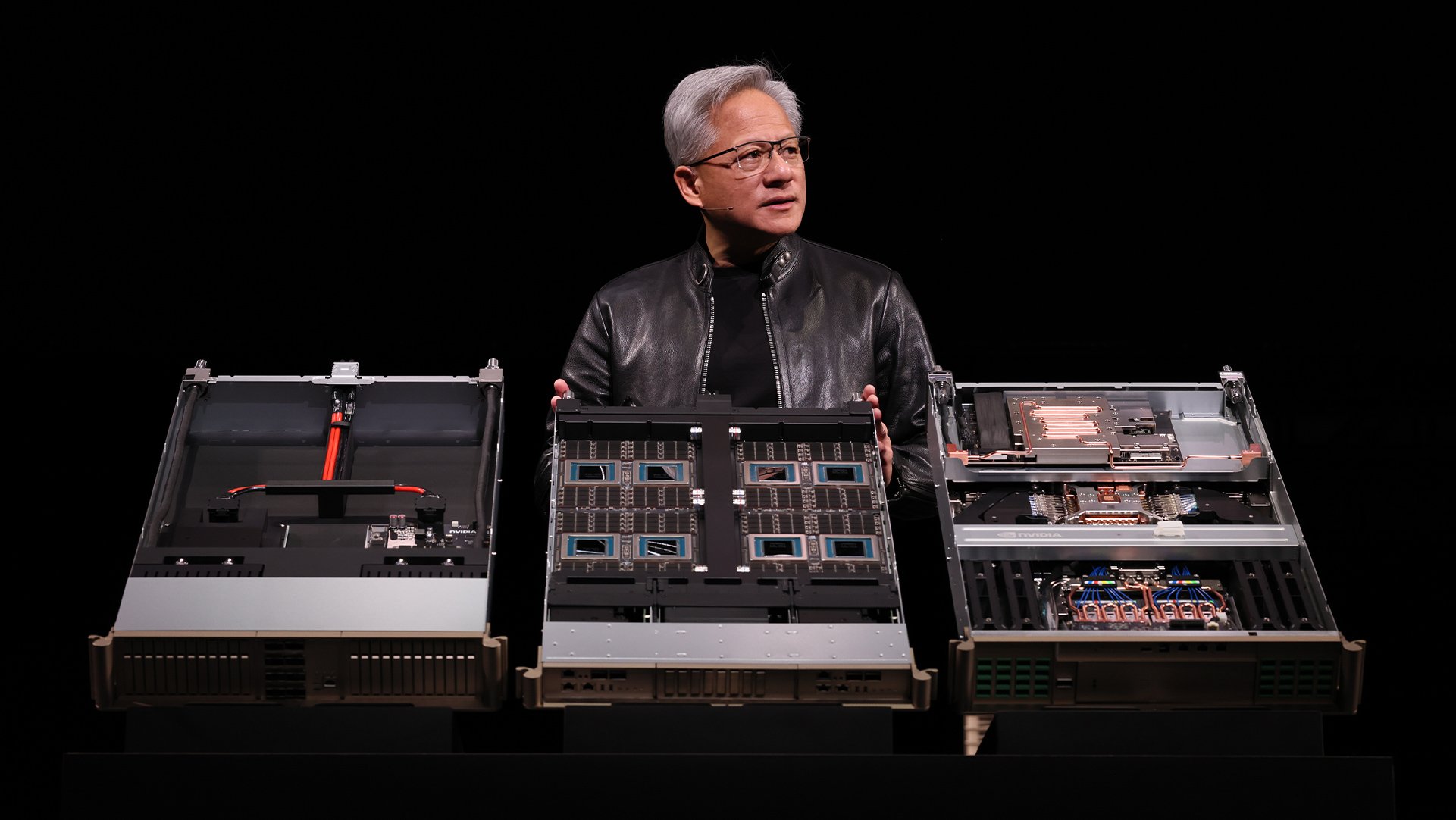
Susquehanna's Mehdi Hosseini maintained a Positive rating and a $320 price target, highlighting the potential for Arm's AGI CPU business. Hosseini said the growing contribution from cloud AI to royalty revenue was more than offsetting continued smartphone weakness. He also pointed to the company's revised AGI CPU revenue opportunity, which he said was roughly twice its previous forecast. Arm expects data center royalties to sustain triple-digit growth over the next few years, supported by the expansion of computing platforms from Amazon, Nvidia, and Microsoft, as well as rising core counts and the transition of accelerator head-node CPUs from x86 to Arm architecture.
The company has indicated that further updates on its CPU progress, financial outlook, and potential products could come with its fiscal third-quarter results and at its next Arm Everywhere event in May or June. While the immediate market reaction was negative, the long-term growth story for Arm remains tied to its ability to capitalize on AI and data center opportunities, even as the smartphone market continues to face headwinds.
This article is for informational purposes only and does not constitute financial advice.