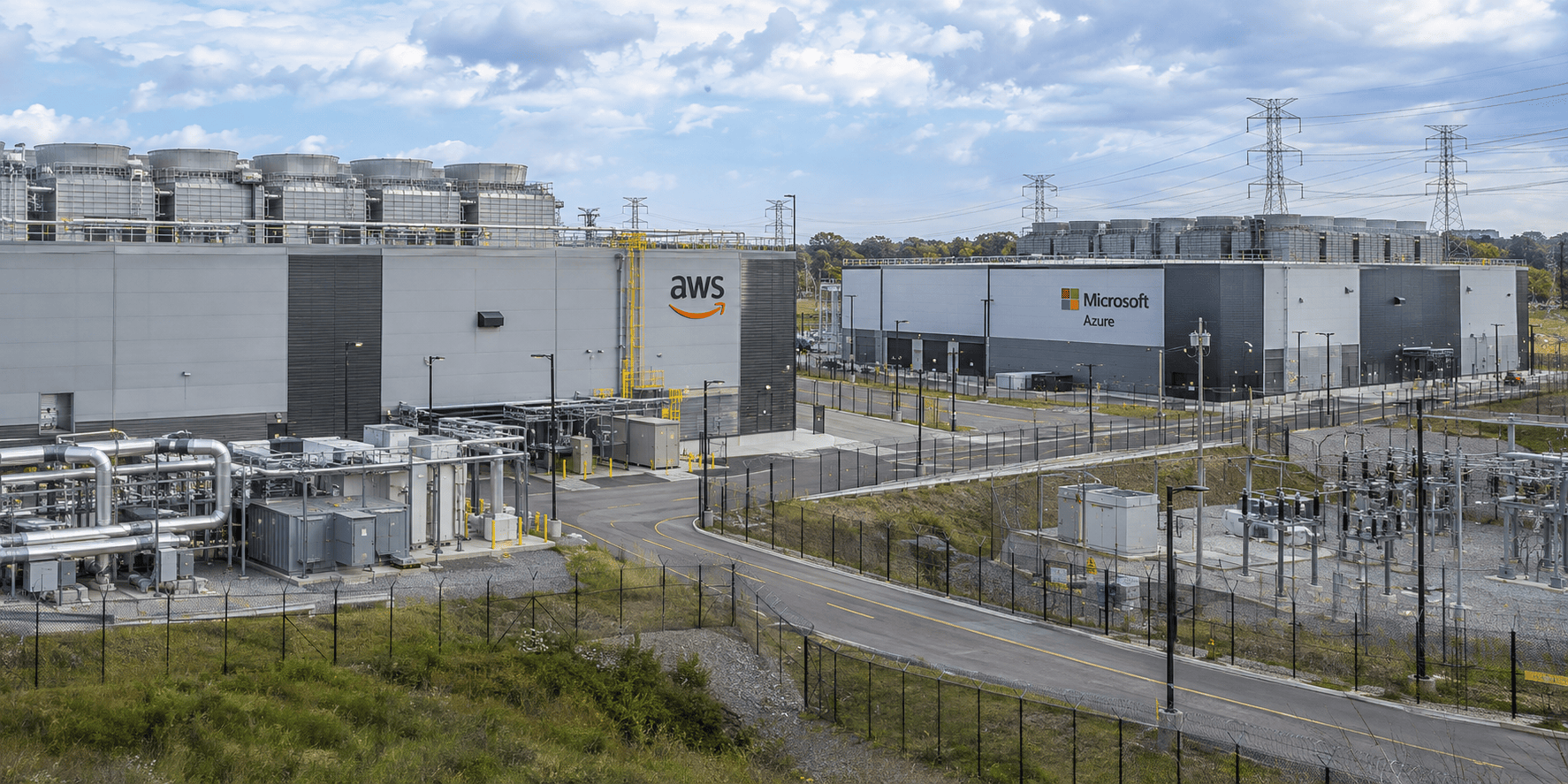
Shares of major cloud technology companies rallied on Wednesday, with Amazon and Microsoft leading gains, as investors interpreted the Democratic midterm election victories as a potential catalyst for easing the breakneck pace of AI infrastructure spending.
Amazon's stock climbed more than 7% to $271.49 in morning trading, while Microsoft, Alphabet, and Meta Platforms also traded higher. In contrast, smaller cloud infrastructure providers, including CoreWeave, saw their shares decline.
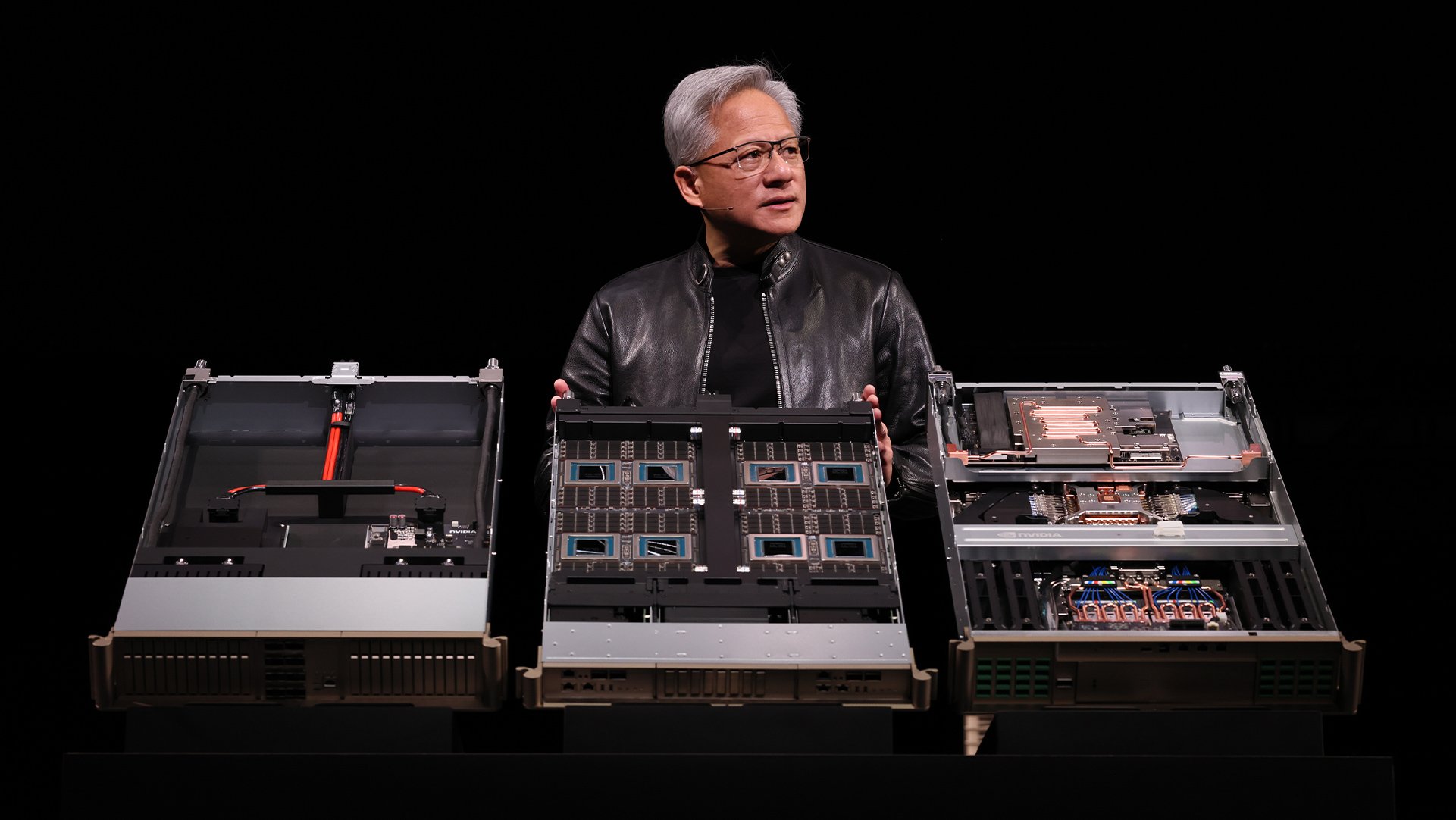
The Democratic sweep, which secured control of both chambers of Congress and key gubernatorial races in Texas, Georgia, and Ohio, brought opposition to the rapid expansion of AI data centers to the forefront of the political agenda. This has raised the possibility of stricter construction restrictions, a development that analysts say could paradoxically benefit the largest cloud operators.
Regulatory barriers could strengthen hyperscalers
Needham analyst Laura Martin argued that higher regulatory barriers would likely entrench the market positions of established players while increasing the risks and required returns for new entrants. Amazon, Microsoft, Alphabet, and Meta already operate extensive data-center networks, giving them a competitive edge if new construction becomes more difficult.
A slowdown in industry-wide capital expenditure could also ease financial pressure on these companies. Their existing infrastructure would continue generating revenue, while reduced spending requirements could improve returns on invested capital. Martin noted that investors and politicians are increasingly aligned in wanting slower capital spending growth, albeit for different reasons.
Baird Private Wealth Management strategist Michael Antonelli told the Wall Street Journal that hyperscalers “already have compute. They have the data centers. So if you're pulling up the drawbridge, you're giving them their moat.” This suggests that existing data-center capacity could become a strategic advantage if expansion slows.
AI spending concerns remain in focus
The potential slowdown comes as investors question whether the largest technology companies can sustain their massive AI infrastructure investments. Amazon, Meta, Microsoft, and Alphabet shares had come under pressure after reporting their September-quarter results late last month, with rising capital expenditures pushing free cash flow at Amazon, Meta, and Alphabet into negative territory.
These companies have increasingly relied on a mix of debt and equity financing to support their infrastructure buildouts. A moderation in spending could therefore address some investor concerns about the financial risks associated with the AI race, potentially improving free cash flow and reducing the pressure to invest aggressively in additional capacity.
Dan Ives of Yorkville Ives described the election outcome as a potential positive for some technology investors if it encourages large companies to moderate their spending. However, he also cautioned that Democratic control of Congress would create significant challenges for the broader AI and technology industry.
Smaller cloud providers face potential pressure
While established hyperscalers advanced, smaller cloud infrastructure providers experienced a weaker market reaction. Companies like CoreWeave have expanded rapidly to compete with larger players by building data centers and offering computing capacity for AI workloads. New restrictions on data-center construction could make it more difficult for these businesses to scale, while established providers retain access to their existing infrastructure.
The election results could also lead to negotiations between technology companies and lawmakers over future AI legislation. Ives noted that the Trump administration might oppose major regulatory measures, but congressional pressure could still push technology executives toward compromises.
This article is for informational purposes only and does not constitute financial advice.