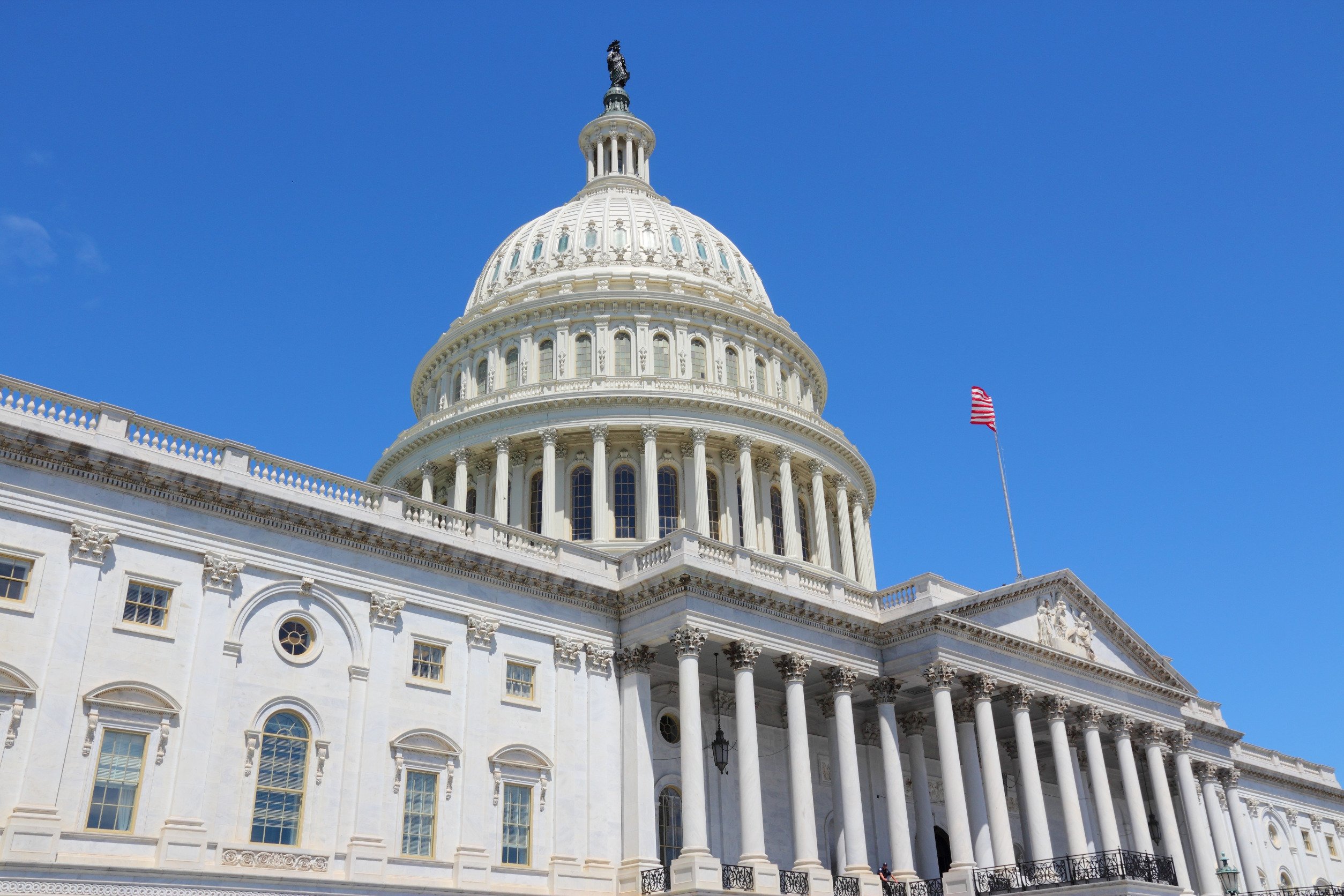
The yield on the benchmark 10-year Treasury note slipped to approximately 4.93% on Wednesday, as investors sought the safety of government bonds following the Democratic Party's decisive victory in the midterm elections, which secured control of both the House and the Senate.
Earlier in the session, the yield had dipped to around 4.91%, down from levels near 4.94% in the prior session. Longer-dated maturities also saw yields ease, while the two-year Treasury yield edged slightly higher. Since bond prices move inversely to yields, the decline reflected increased demand for U.S. government debt.

Democratic Sweep Fuels Fiscal Restraint Expectations
Democrats flipped several traditionally Republican seats, including in Texas, Kansas, South Carolina, Ohio, and Iowa, giving them unified control of Congress. This outcome prompted investors to reassess the trajectory of fiscal policy during the remainder of President Donald Trump's term.
Market participants now anticipate that a divided government—with Democratic lawmakers holding legislative power—could limit new spending initiatives and tax cuts, reducing the near-term risk of additional fiscal expansion. That perception supported Treasury prices as investors gravitated toward safer assets following the election results.
However, analysts caution that while gridlock may block new spending, it does little to address the existing budget deficit. Andrew Jackson, head of investments at Vontobel, noted that "blocking new spending is not the same as reducing the existing deficit." He warned that persistent budget deficits and heavy Treasury issuance could cap how far longer-term yields can fall.
Broader Market Reaction
U.S. equity futures initially dropped sharply after the election results but recovered ground later in the session, turning positive in early trading. Nasdaq-related futures experienced the most significant swings as investors weighed the potential for stricter Democratic oversight of artificial intelligence companies and data-center expansion.
Technology stocks faced particular pressure amid concerns that tighter regulation, energy-use restrictions, and permitting delays could slow the pace of AI infrastructure investment. Meanwhile, oil prices remained under pressure, with Brent crude trading around $102 per barrel following recent declines, helping to ease some inflation worries. Gold moved higher as a weaker dollar and falling Treasury yields boosted demand for the precious metal.
Economic Data in Focus
The bond market also digested recent economic releases. Tuesday's Job Openings and Labor Turnover Survey showed U.S. job openings rising to 7.52 million in September, exceeding economists' expectations and indicating continued resilience in the labor market. Additionally, the Institute for Supply Management's manufacturing index came in stronger than expected on Monday, pointing to sustained factory activity.
These reports had contributed to slight upward pressure on yields earlier in the week. Investors now turn their attention to additional labor-market data, including the October employment report due later this week, for further clues about economic conditions and the Federal Reserve's next policy moves.
This article is for informational purposes only and does not constitute financial advice.