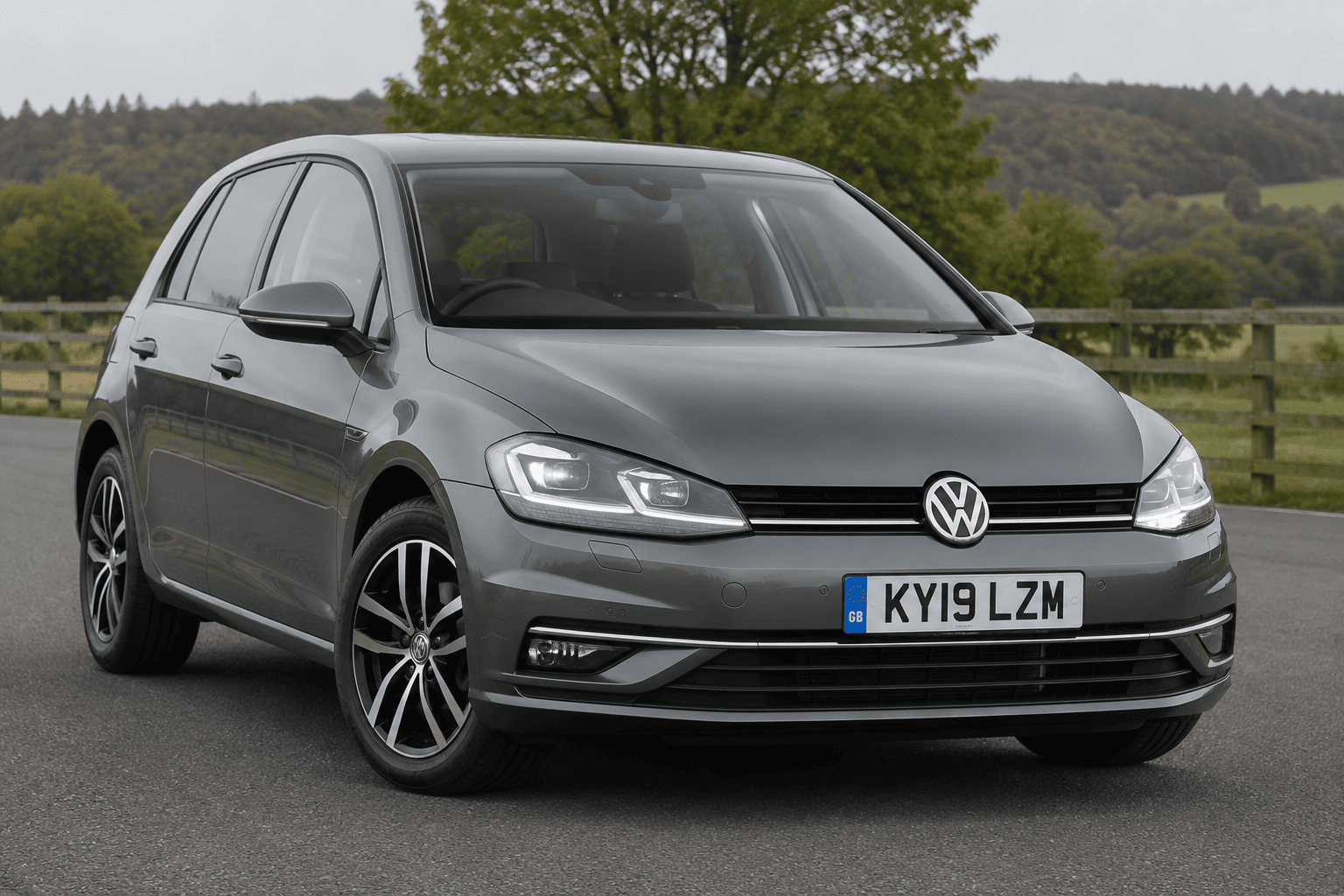
Volkswagen AG reported second-quarter operating profit that fell short of analyst expectations, prompting the German automaker to lower its 2026 sales revenue forecast and accelerate a sweeping restructuring program that includes up to 100,000 potential job cuts.
The company posted operating profit of €3.5 billion ($3.98 billion) for the April-to-June period, a decline of nearly 10% from the same quarter last year and well below the €4.3 billion consensus estimate compiled by LSEG. Quarterly revenue rose to €82.4 billion, exceeding market forecasts, but higher sales failed to offset margin compression. The operating margin came in at 4.2%.

Volkswagen now expects 2026 sales revenue to decline by as much as 3%, reversing its prior forecast of growth of up to 3%. The revision underscores mounting pressure on Europe's largest automaker as it navigates geopolitical tensions, trade conflicts, and intensifying competition from Chinese electric vehicle manufacturers.
CEO Oliver Blume acknowledged that the company absorbed “continued unavoidable headwinds in the double-digit billions” during the first half of the year but described the operating environment as “extremely challenging,” citing geopolitical crises, trade disputes, tighter regulations, volatile markets, and fiercer competition.
Restructuring Accelerates
The weaker earnings come as Volkswagen expands its cost-cutting efforts. Earlier this month, the company confirmed it is considering cutting up to 100,000 jobs globally—roughly double the number previously discussed. In an internal memo, Blume said Volkswagen's costs remain about 20% higher than those of comparable manufacturers, necessitating further efficiency measures.
The company is also reviewing its manufacturing footprint in Germany. Blume reportedly told employees that management had not identified alternative uses for four facilities previously considered for closure, including plants in Hanover, Zwickau, Emden, and Audi's Neckarsulm factory. These proposals could reignite tensions with labor unions after Volkswagen reached an agreement in late 2024 to avoid factory closures in Germany and rule out compulsory redundancies through 2030.
Blume has pledged to reduce global production capacity and cut the group's vehicle lineup by as much as half as part of the overhaul.
China Drags While North America and Europe Show Signs of Life
Volkswagen's most significant challenge remains China, its largest market. Global vehicle deliveries fell 6.3% in the first half of the year, primarily due to ongoing weakness in China, where domestic EV makers continue to intensify price competition. The prolonged slowdown in the world's largest auto market has forced international manufacturers to fight harder for market share as local brands strengthen their positions.
Outside China, performance was more encouraging. Volkswagen regained momentum in North America during the second quarter, while demand in Europe improved following the rollout of entry-level electric vehicles across its Volkswagen, Skoda, and Cupra brands. Those launches have supported orders as European manufacturers race to defend market share against expanding Chinese competitors.
For context, other European automakers are also facing headwinds. The DAX Earnings Week highlighted similar pressures on BMW and Mercedes-Benz, while broader market sentiment has been rattled by disappointing tech earnings and oil price spikes, as seen in the Dow's 604-point plunge.
Transformation Enters Critical Phase
Blume described the current period as one of the most challenging in the company's history but maintained that Volkswagen is entering the next stage of its transformation from a position of financial strength. “In an unprecedented risk scenario, Volkswagen Group enters the next phase of its transformation from a position of strength and with a clear understanding of the opportunities ahead,” he said.
The latest results illustrate the difficult balancing act facing Europe's largest automaker as it attempts to lower costs, protect profitability, and accelerate its electric vehicle transition while navigating global trade tensions and rapidly changing competitive dynamics. Volkswagen shares fell over 1% on Friday following the earnings release.
This article is for informational purposes only and does not constitute financial advice.