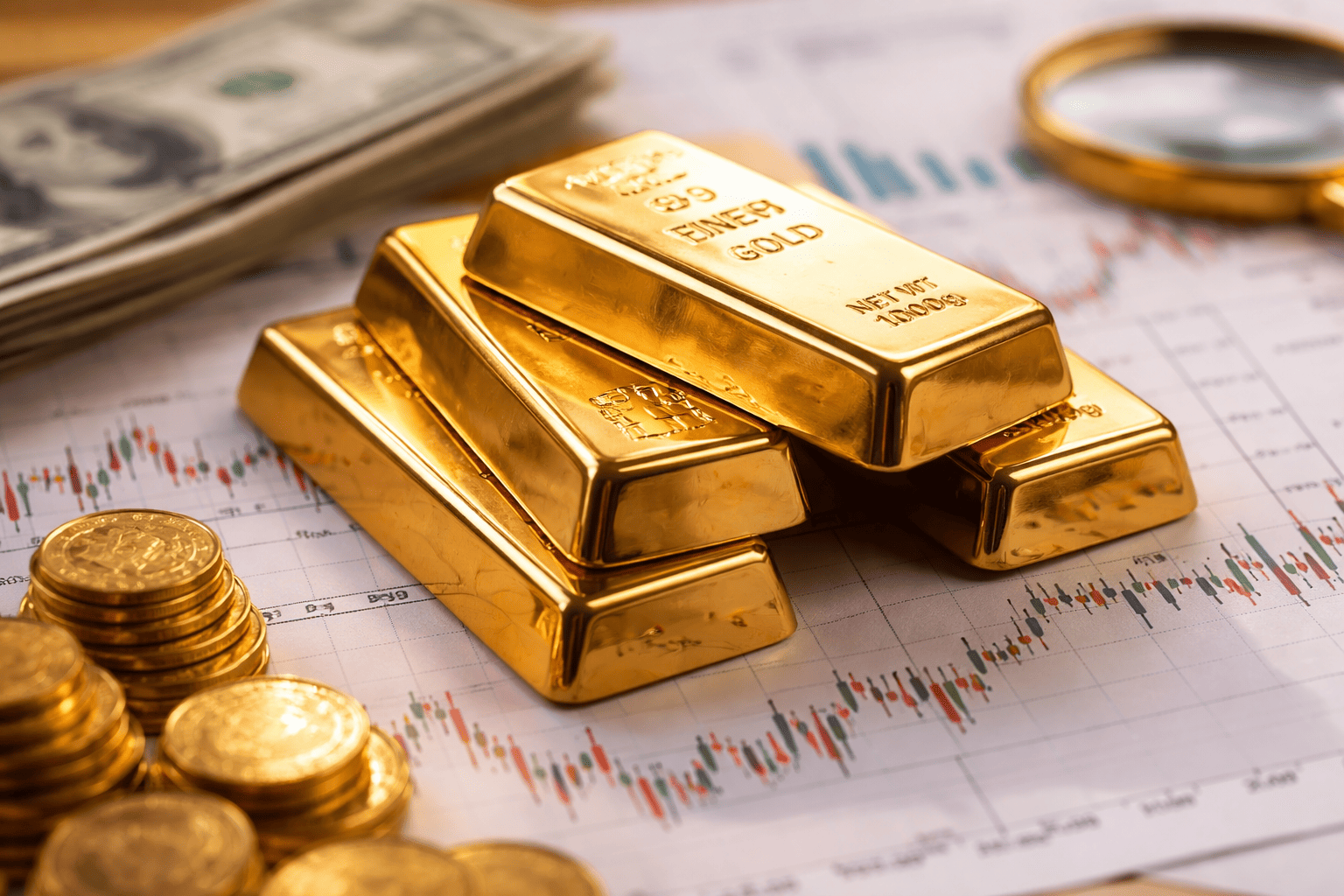
Gold's Path to $6,200 Hinges on Monetary Policy, UBS Analysis Shows
Analysts at UBS have reaffirmed a long-term price target for gold of $6,200 per ounce, projecting the metal could reach that level by the end of 2026. The Swiss bank's forecast hinges significantly on the trajectory of interest rates, suggesting that a sustained period of lower borrowing costs would be a primary catalyst for a substantial price advance. The current environment of geopolitical tension and inflation concerns presents a complex backdrop for the precious metal.
Geopolitical Premium vs. Fundamental Drivers
Recent conflicts in the Middle East have introduced volatility into commodity markets, notably oil, but the impact on gold has been more nuanced. UBS commodity analyst Giovanni Staunovo noted that while geopolitical risks add upside pressure, gold has not exhibited its typical safe-haven surge during the latest tensions. The metal has struggled to consistently breach the $5,200 level, suggesting other macroeconomic forces are currently exerting greater influence on its price. This behavior aligns with historical patterns where initial price spikes during conflicts are often followed by retracements as immediate fears subside and liquidity needs shift.
Staunovo emphasized that commodities, in general, retain upside potential due to persistent supply-demand imbalances and solid underlying fundamentals. For investors, actively managed exposure to this sector can serve as a hedge against inflation and energy supply disruptions. He advised those with significant gold holdings to consider diversifying across other commodities to capture broader momentum.
The Critical Role of Interest Rate Expectations
The most significant headwind for gold recently has been shifting expectations for higher interest rates, which strengthen the US dollar and increase the opportunity cost of holding non-yielding assets. Gold prices are currently trading roughly 13% below the record highs seen earlier this year, pressured by this dynamic. UBS analysts point out that for a meaningful rally to materialize, market expectations must pivot toward a lower rate environment.
The bank anticipates that central banks will monitor inflation risks carefully but avoid aggressive, reactive rate hikes. This measured approach could eventually provide the supportive backdrop gold needs. The metal's primary value, according to the analysis, is as a hedge against the broader economic consequences of instability—such as currency devaluation, expanding fiscal deficits, and economic slowdown—rather than as a direct safe-haven during short-term crises.
Broader Commodity Outlook and Comparative Performance
UBS's broader commodity research indicates supportive conditions for industrial metals like copper and aluminum, driven by medium-term supply shortages and long-term structural demand from electrification trends. This contrasts with gold's recent performance. The analysts highlighted that gold's 65% surge last year was fueled by fundamental factors including lower real interest rates and sovereign debt concerns, augmented by geopolitical tailwinds. The current period reflects a shift where energy assets have sometimes attracted more flight capital during moments of crisis.
Recent trading activity illustrates this volatility. While gold briefly touched a one-month high, prices subsequently retreated as risk appetite improved on news of potential diplomatic talks. Concurrently, rising oil prices have stoked inflation worries, which can indirectly pressure gold by bolstering the case for tighter monetary policy.
Long-Term Forecast and Investment Rationale
Despite recent sideways trading, UBS maintains confidence in gold's appreciation potential, forecasting a climb to between $5,900 and $6,200 per ounce. The $6,200 target for late 2026 implies a gain of over 20% from current levels. The thesis rests on gold's enduring role as a portfolio diversifier and a store of value against monetary policy missteps and fiscal deterioration.
The analysis serves as a reminder that gold's investment case is multifaceted, responding not only to immediate crises but to longer-term financial and currency trends. Investors monitoring the metal may find it instructive to watch developments in central bank policy and real yield movements as key indicators for its next major directional move. For related market analysis, see our reports on recent commodity price movements and the broader shifts in currency markets.
This article is for informational purposes only and does not constitute financial advice.