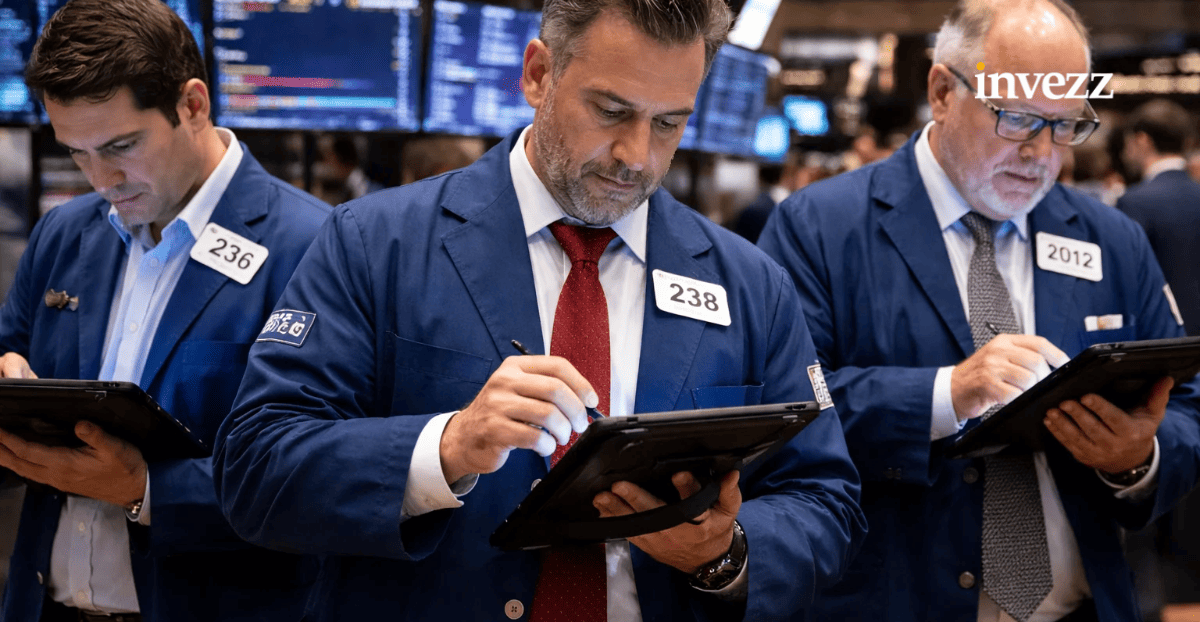
The recent selloff in technology stocks has created a rare buying opportunity for patient investors, according to Wedbush Securities' Dan Ives. In a note to clients, the veteran analyst argued that the market's reaction to the US midterm elections is overblown and that the long-term artificial intelligence investment cycle remains intact.
Tech shares have tumbled since the elections, with the Nasdaq Composite entering correction territory as investors worried that a Democratic sweep could lead to stricter regulation of big tech and hinder data center expansion. However, Ives believes these fears are misplaced, comparing the current downturn to the COVID crash of 2020 and the tariff-driven correction of April 2025, both of which proved to be buying opportunities for those focused on long-term trends.
AI spending is not going away
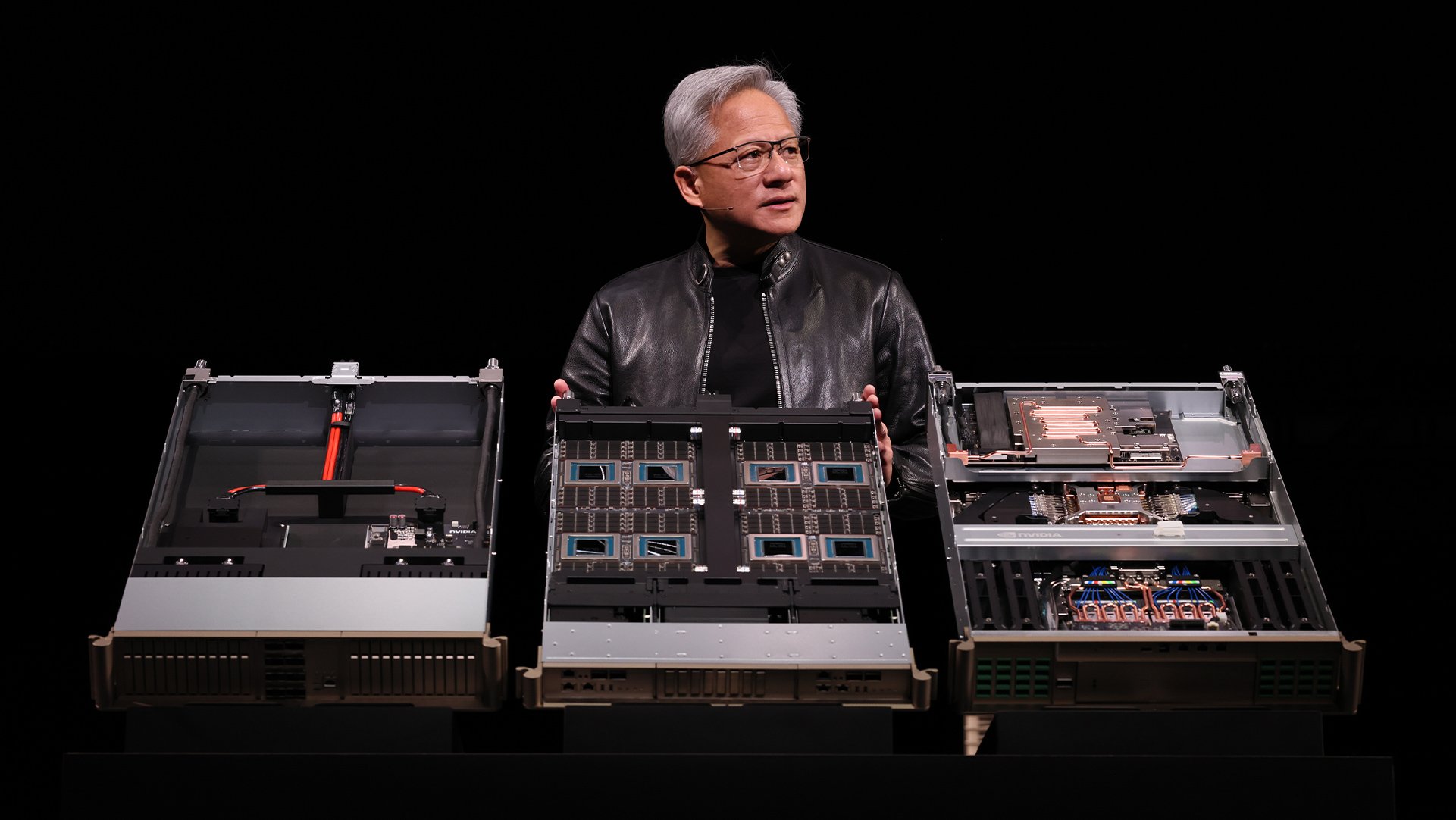
Ives argues that the selloff is pricing in a scenario where AI infrastructure expansion is effectively halted, an outcome he considers highly unlikely. Instead, he sees a moderation in growth, not a reversal. Companies that have already committed massive capital to AI cannot afford to step back now, as the race for computing power, AI models, and cloud infrastructure remains intensely competitive.
Many data-center projects already have permits, financing, and construction momentum, representing billions of dollars of committed investment that would be difficult to unwind. Ives estimates that AI-related capital spending could still reach between $3 trillion and $4 trillion in the coming years, even if the political environment becomes less favorable.
Political headwinds are not fundamental threats
The market's fear stems from the possibility that Democratic control of Congress could lead to stricter oversight of large tech companies and increased resistance to data center construction. Investors extrapolated that political headwinds could slow projects, limit energy approvals, and reduce demand for semiconductors and infrastructure firms. However, Ives contends that short-term political developments create volatility, while long-term technology adoption trends continue largely unaffected.
History supports this view. In previous market panics, including the COVID crash and the April 2025 AI correction, investors who focused on long-term trends rather than short-term headlines were ultimately rewarded. The broader takeaway is that AI remains one of the most significant capital investment cycles in modern technology history.
While regulatory scrutiny, political opposition, and infrastructure bottlenecks may affect the timing of projects, they are unlikely to eliminate the underlying demand for computing capacity. Businesses across industries continue increasing their reliance on AI tools, creating a powerful incentive for technology companies to keep building.
For investors, the distinction between a slowdown in growth and the collapse of an investment theme is crucial. A slowdown can pressure stock prices for a period, but it is very different from the end of the AI boom. If Ives' outlook proves correct, the recent correction may eventually be remembered not as the start of the AI boom's end, but as another opportunity to accumulate leading technology names while sentiment remains fragile.
This article is for informational purposes only and does not constitute financial advice.