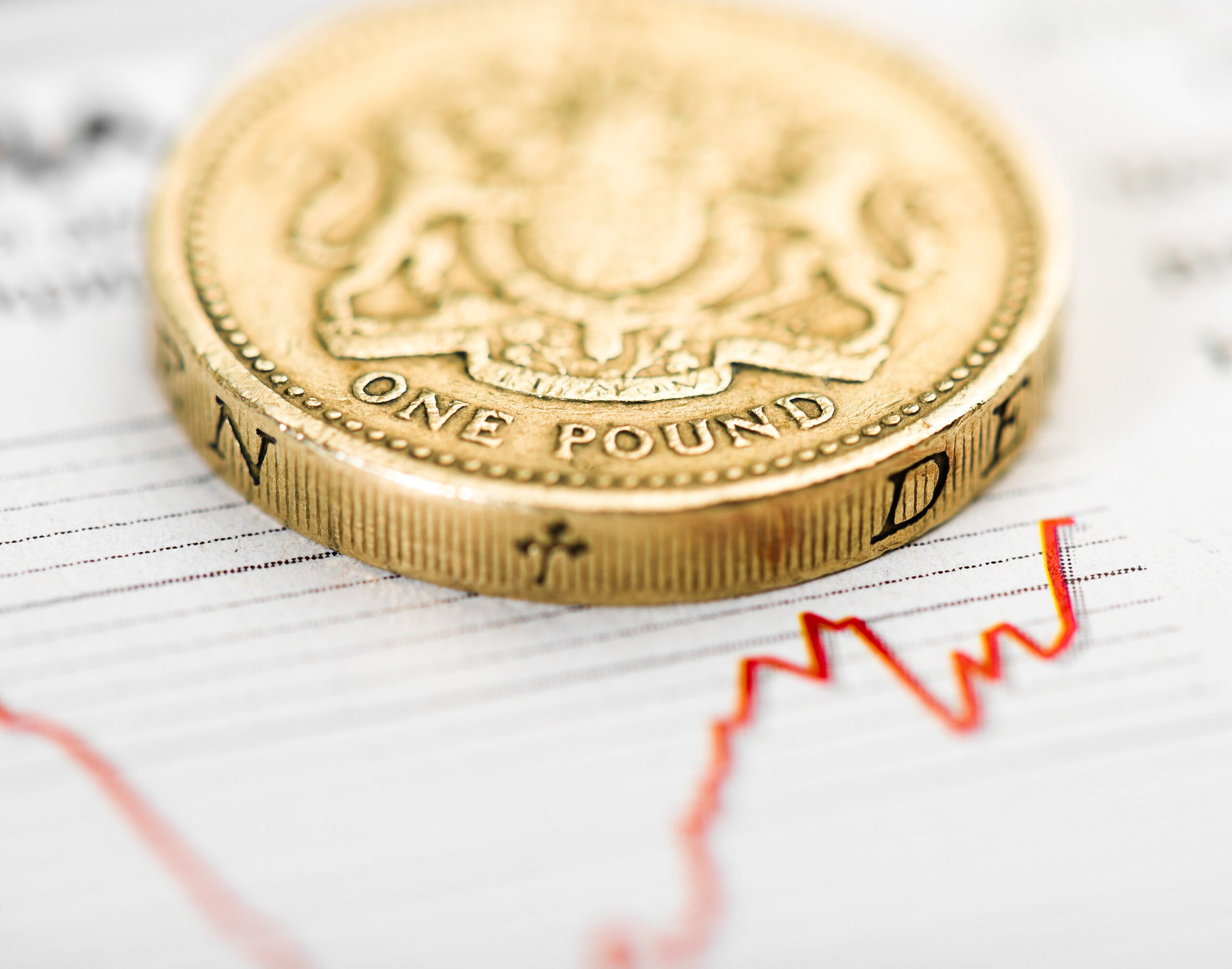
Pound Gains on Geopolitical Optimism
The British pound advanced against the US dollar in Tuesday trading, reaching a valuation not observed since prior to the escalation of recent Middle Eastern tensions. Sterling appreciated by 0.33% to exchange at $1.3548. This movement coincided with market speculation that diplomatic teams from the United States and Iran could reconvene for discussions later this week, fostering a risk-on environment that typically pressures the US dollar.
Shifting Market Dynamics and Currency Impact
The US dollar had previously functioned as a haven asset amid heightened geopolitical uncertainty. The prospect of renewed dialogue appears to have triggered a retreat from this safe-haven positioning, thereby providing support for currencies like the pound. Against the euro, sterling's value was largely stable, trading near 87 pence. The currency's rebound is notable given the UK's significant exposure to imported energy, the prices of which have been volatile due to the ongoing regional conflict.
Despite the optimistic signals, significant risks persist. The United States has initiated a blockade of Iranian ports, a development that has drawn sharp criticism from Tehran and raised concerns over the security of the Strait of Hormuz, a critical maritime passage for global energy supplies. This underlying tension continues to inject uncertainty into currency and commodity markets, with oil volatility remaining elevated amid conflicting signals.
Analysts Question Sterling's Durability
Market analysts suggest the pound's current strength may be temporary. Nick Rees, head of macro research at Monex Europe, noted in a recent commentary that the improved sentiment stems more from a distraction from domestic challenges rather than a fundamental improvement in the UK's outlook. He indicated that sterling is anticipated to underperform in the coming months as investor attention inevitably returns to the nation's political and economic landscape.
Domestic political risks are coming into sharper focus, with local elections scheduled for early May. The performance of the ruling Labour Party is being closely watched, as weak results could potentially trigger speculation regarding leadership stability. This political uncertainty forms a persistent headwind for the currency, as detailed in a related analysis on previous pound weakness.
Bank of England Policy in Focus
Monetary policy expectations are also evolving. Persistent pressures from elevated energy costs have led money markets to adjust their forecasts, moving away from expectations of interest rate cuts and toward pricing in at least one potential 25-basis-point increase by 2026, with a chance of a second hike. This shift occurs even as the consensus expects the Bank of England (BoE) to maintain its current rate in the immediate term.
Bank of England Governor Andrew Bailey and other officials are scheduled to speak, and their comments will be scrutinized for guidance. Governor Bailey has previously cautioned that financial markets may be overestimating the likelihood of imminent rate hikes, suggesting that investors were getting ahead of actual policy signals. The central bank's balancing act between inflation concerns and economic growth continues to be a key driver for sterling's medium-term trajectory.
The broader market reaction to geopolitical developments has been multifaceted, influencing other asset classes. For instance, commodity prices have shown sensitivity to diplomatic headlines, with crude oil and gold exhibiting sharp moves based on the perceived progress or breakdown in talks.
This article is for informational purposes only and does not constitute financial advice.