Geopolitical Tensions Weigh on Precious Metals
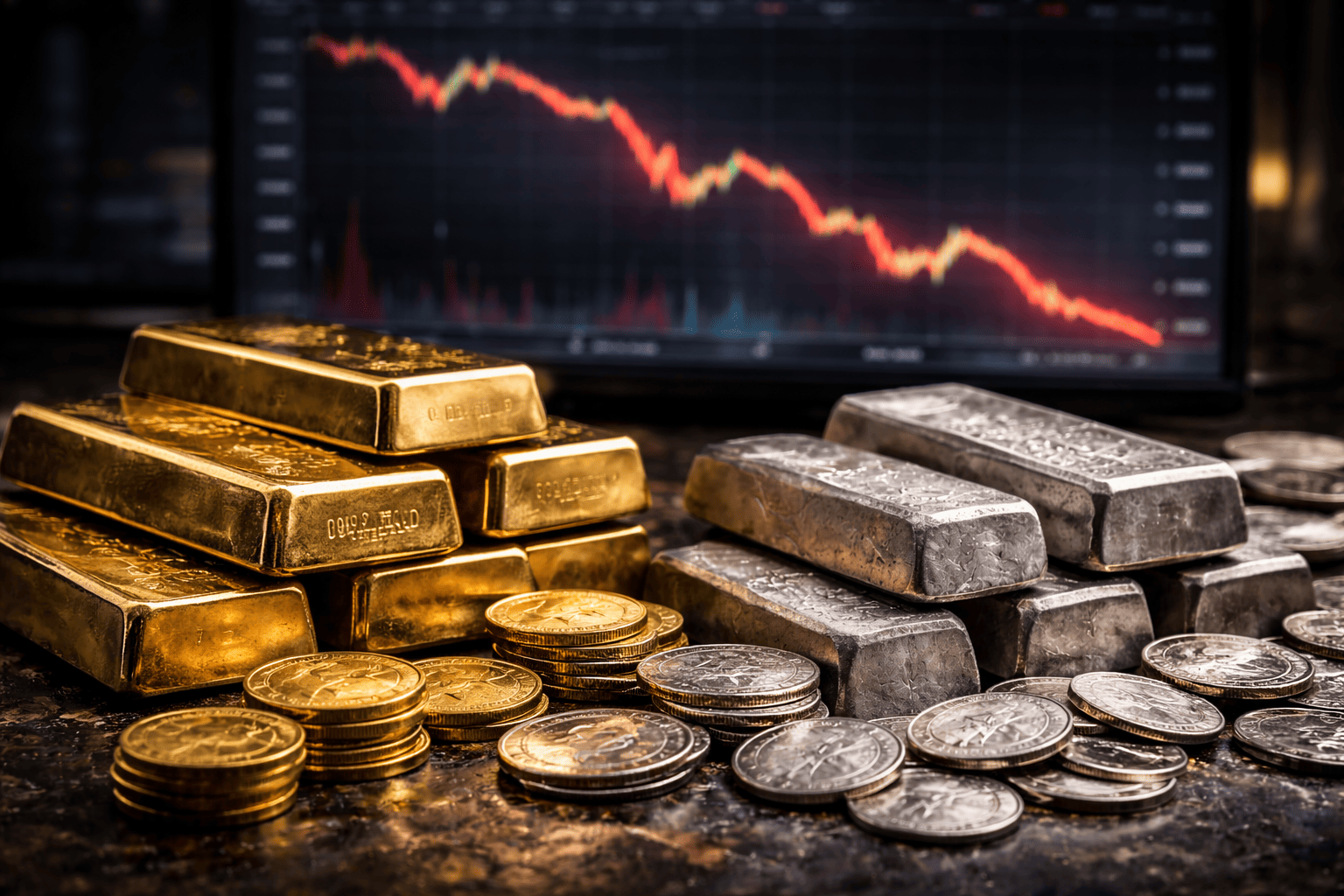
Gold prices retreated on Monday, with the COMEX contract falling roughly 1% to trade near $4,737 per ounce. The decline coincided with heightened geopolitical risk following the collapse of weekend peace talks between the United States and Iran. This development has reintroduced bearish sentiment into the precious metals market, challenging gold's traditional role as a safe-haven asset during periods of instability.
Dollar Strength and Fed Expectations Pressure Gold
The primary catalyst for gold's weakness was a significant surge in the US dollar during Asian trading hours. Analysts noted a pronounced 'flight to safety' dynamic, with capital flowing into the world's reserve currency. A stronger dollar typically makes dollar-denominated assets like gold more expensive for holders of other currencies, dampening demand. Concurrently, the failed diplomatic efforts have altered market expectations for monetary policy. According to the CME FedWatch Tool, the probability of a Federal Reserve rate cut at its December meeting fell to 16%, down from 21% the previous day. Higher interest rates for longer increase the opportunity cost of holding non-yielding bullion.

Escalating Risks in the Middle East
The immediate trigger for the market shift was the breakdown of negotiations aimed at solidifying a fragile two-week ceasefire. In response, the US military announced intentions to initiate a blockade of maritime traffic near Iranian ports. Furthermore, reports indicated US officials are considering limited military strikes within Iran. Iran's Revolutionary Guards issued a stern warning that any military vessels approaching the Strait of Hormuz would be met with severe action. These developments have sharply increased the perceived risk of a broader regional conflict, which paradoxically has thus far benefited the dollar more than gold.
Analysts point out that the market is now pricing in the threat of higher energy costs and a potentially more aggressive Federal Reserve stance should inflation be reignited by rising oil prices. "With no US-Iran breakthrough over the weekend, the risk of a wider war is once again being priced in, threatening higher energy costs and a more aggressive Fed," noted Zain Vawda, an analyst at MarketPulse by OANDA. Silver, often more volatile than gold, saw a steeper decline of 2.6% to approximately $74.47 per ounce.
Technical Analysis Points to Further Weakness
From a chart perspective, the technical outlook for gold has turned bearish. Analysts at FXStreet highlighted that the 21-day Simple Moving Average (SMA) has crossed below the 100-day SMA, a pattern often referred to as a 'Bear Cross,' pending daily close confirmation. The 14-day Relative Strength Index (RSI) was also noted near 47, positioned below the midline, suggesting potential for further downside momentum. Immediate support is seen in the zone between the 21-day SMA near $4,674 and the 100-day SMA around $4,687. A deeper correction could see the price test the 200-day SMA near $4,186, which might attract strategic buying interest.
It is noteworthy that despite the ongoing geopolitical tensions, spot gold has declined over 10% since the onset of major US-Israeli military action against Iran in late February. This underscores the current dominance of macroeconomic factors—specifically, the strength of the US dollar and the outlook for interest rates—over pure geopolitical risk premium in the gold market. For related analysis on currency movements, see our report on the Dollar Index.
Broader Market Context and Links
The shift in sentiment toward gold occurs amid a sparse calendar for major US economic data, forcing investor focus squarely onto geopolitical developments. The situation also casts a shadow over other asset classes, as seen in our coverage of how the Middle East conflict clouds the full-year outlook for European earnings. Furthermore, the surge in defense-related concerns is reflected in other market segments, such as the recent significant artillery ammunition deal secured by CSG.
Market participants will continue to monitor statements from US and Iranian officials for signs of either de-escalation or further military posturing. The trajectory of the US dollar and any new data influencing Federal Reserve policy will remain critical drivers for gold prices in the near term. The precious metal finds itself caught between opposing forces: upward pressure from war risk and downward pressure from a strong dollar and 'higher for longer' interest rates.
This article is for informational purposes only and does not constitute financial advice.