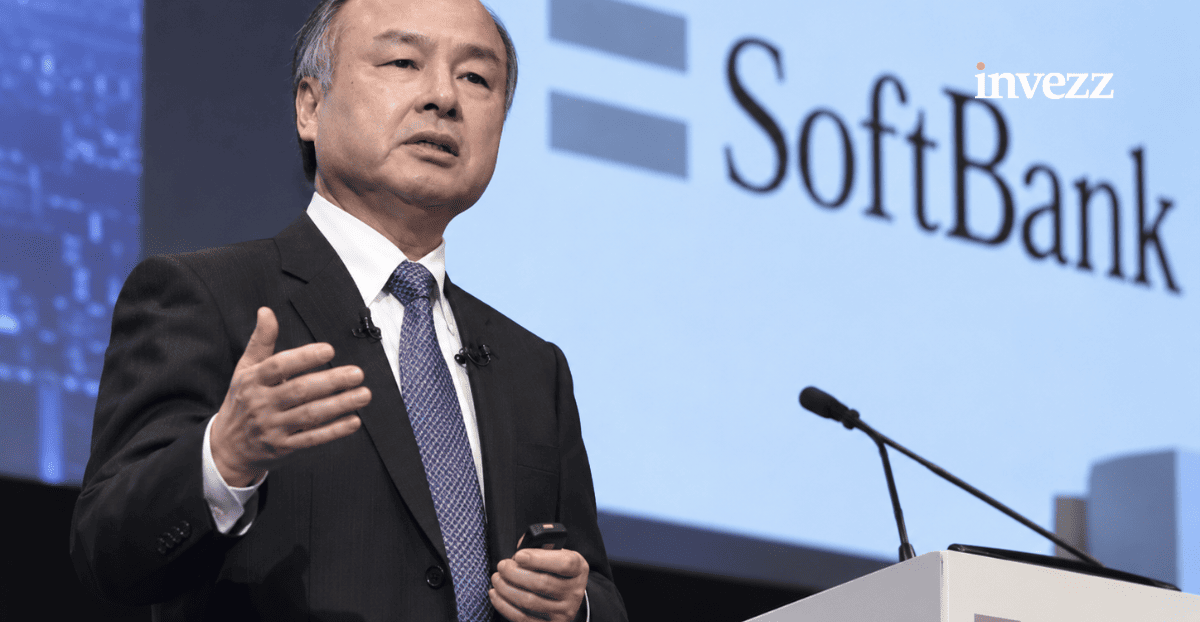
SoftBank Group reported a ¥1.1 trillion ($7 billion) net loss for the July–September quarter, swinging from a ¥2.5 trillion profit in the same period last year. The sharp reversal underscores the financial strain behind Masayoshi Son's aggressive artificial intelligence investment strategy, as rising financing costs and unexpected charges tied to U.S. data center projects eroded earnings.
The quarterly result came in well below analyst expectations, with LSEG forecasts ranging from a ¥233 billion profit to a ¥113 billion loss. The year-ago quarter had benefited from a large gain on SoftBank's investment in OpenAI, but the latest period was hit by a ¥597.2 billion ($3.73 billion) loss related to changes in orders for electricity-generation equipment for U.S. AI data centers, including a project in Ohio.
SoftBank said a subsidiary revised its procurement plans as project requirements evolved, leading to ¥457 billion in non-refundable advance payments and ¥140.2 billion in contract changes and settlements. The company noted it might eventually receive up to $2.1 billion in rebates on future purchases, but it did not recognize any asset for those contingent benefits.
Financing costs for the six months ended September climbed to ¥790.7 billion from ¥340 billion a year earlier, while derivatives produced a ¥433.3 billion loss versus a ¥208.1 billion gain previously. Investment gains fell 56% to ¥1.73 trillion, despite a substantial gain on Intel shares.
The earnings report highlights the growing risk premium attached to financing SoftBank's AI ambitions. The company has invested $64.6 billion for an approximately 13% stake in OpenAI, with $54.6 billion invested by the end of September and an additional $10 billion on October 1. SoftBank valued its OpenAI holding at $99.6 billion, implying cumulative investment gains of roughly $45 billion, but rising asset values do not automatically generate cash to service debt.
Net interest-bearing debt stood at ¥10.8 trillion at the end of June, up from ¥6.6 trillion a year earlier. In September, SoftBank issued dollar bonds paying up to 9.75%, underscoring the cost of funding its ambitions. Analysts have warned that worsening credit conditions could disrupt planned fundraising, and SoftBank shares have fallen sharply amid a broader retreat from AI-linked stocks.
The company also faces uncertainty over potential U.S. restrictions on new data centers, which could delay infrastructure projects. Additionally, its proposed $5.4 billion purchase of ABB's robotics business was blocked by Chinese authorities, adding to operational challenges.
Despite these pressures, SoftBank has not announced a change in strategy. It retains valuable positions in AI software, chips, and infrastructure, and has a track record of raising cash through asset sales. However, some analysts suggest that reducing debt or selling holdings may eventually become necessary if financing conditions tighten further.
This article is for informational purposes only and does not constitute financial advice.