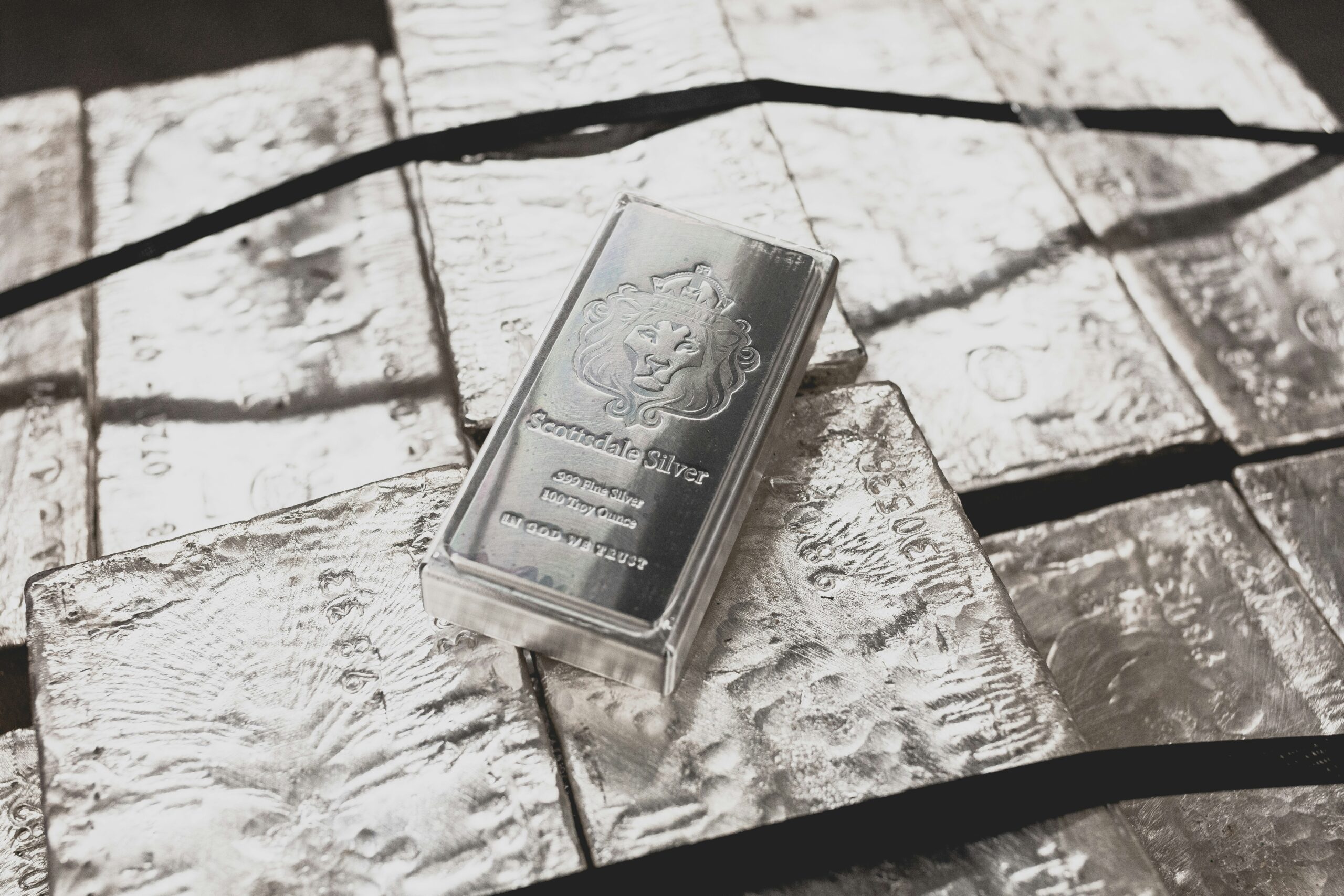
Silver prices staged a modest recovery on Friday, climbing approximately 0.5% to trade near $57.60 per troy ounce during Asian hours, after suffering a sharp decline of more than 4% in the previous session. The rebound comes as markets weigh competing forces: geopolitical tensions supporting safe-haven demand and rising interest rate expectations that typically weigh on non-yielding assets.
Rate Hike Expectations Intensify
The prospect of tighter monetary policy remains a significant headwind for silver. According to the CME FedWatch tool, money markets now price in a 35.8% probability of a Federal Reserve rate hike this month, while the likelihood of at least a quarter-point increase in September stands at 82.1%. These elevated expectations are driven in part by persistently high oil prices, which have strengthened the case for the Fed to act.

Higher oil prices, linked to escalating tensions in the Middle East, are fueling inflation concerns and reinforcing market bets on rate hikes. As silver offers no yield, it becomes less attractive relative to interest-bearing assets when borrowing costs rise. This dynamic has kept a lid on the metal's upside, even as it attempts to recover from its recent losses.
Oil Prices and Geopolitical Risks
Brent crude slipped below $100 a barrel on Friday, falling 0.7% to $99.97, while West Texas Intermediate (WTI) edged lower to $91.49. Despite the intraday pullback, both benchmarks remain on track for strong weekly gains, reflecting ongoing supply concerns. The prolonged rally in oil has become a key factor shaping interest rate expectations, adding indirect pressure on silver.
Geopolitical developments continue to command market attention. The United States conducted its 13th consecutive night of military strikes on Iran, while reported attacks on tankers accused of violating a blockade have further heightened regional instability. These events have kept the Middle East firmly in focus for traders, as they assess the potential impact on oil prices and broader market sentiment. For a broader perspective on how geopolitical risks are influencing global markets, see our analysis of the FTSE 100's reaction to energy gains and ECB policy.
Silver's Conflicting Forces
Silver currently sits at the intersection of opposing market forces. On one hand, heightened geopolitical tensions and safe-haven demand provide a floor for prices. On the other, rising interest rate expectations and a stronger dollar—often a byproduct of hawkish Fed policy—tend to cap gains. The metal's recent price action reflects this tug-of-war, with bulls attempting to push higher but facing resistance from macro headwinds.
Investors are closely monitoring any further developments involving Iran, the Houthis, and the United States, as these could alter the trajectory of oil prices and, by extension, Fed policy expectations. For now, silver's recovery appears fragile, and the path of least resistance may be lower unless geopolitical risks escalate significantly or the Fed signals a more dovish stance.
For more on how precious metals are navigating the current environment, see our report on silver holding above $57 for a third session and the technical breakout patterns traders are watching.
This article is for informational purposes only and does not constitute financial advice.