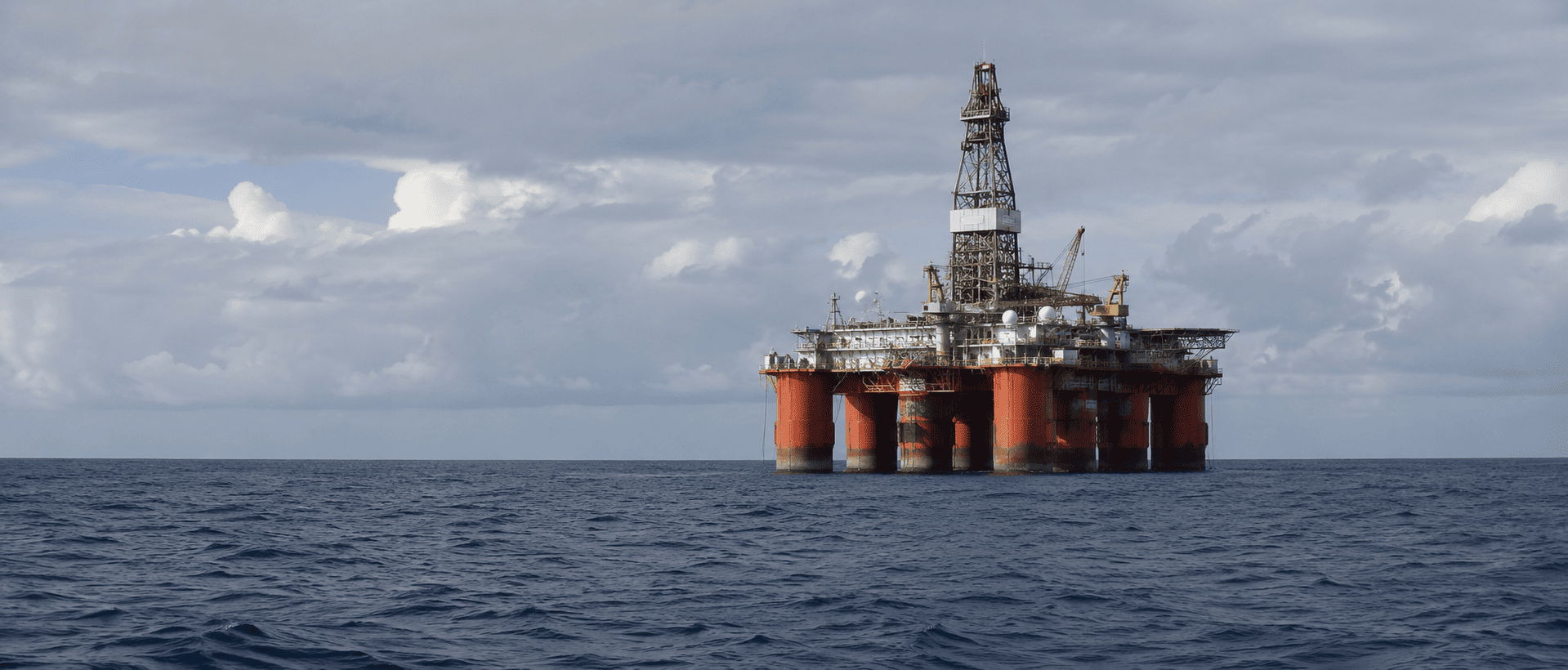
Physical Market Signals Extreme Tightness
The global crude oil market is exhibiting signs of extreme strain, with the price for immediate physical delivery of Brent crude surging to a premium of approximately $30 per barrel above front-month futures contracts. This significant divergence, known as a backwardation, highlights acute shortages of actual barrels available for prompt shipment. Specific North Sea crude grades have reportedly reached record levels near $150 per barrel in the spot market.
Geopolitical Stranglehold on Supply
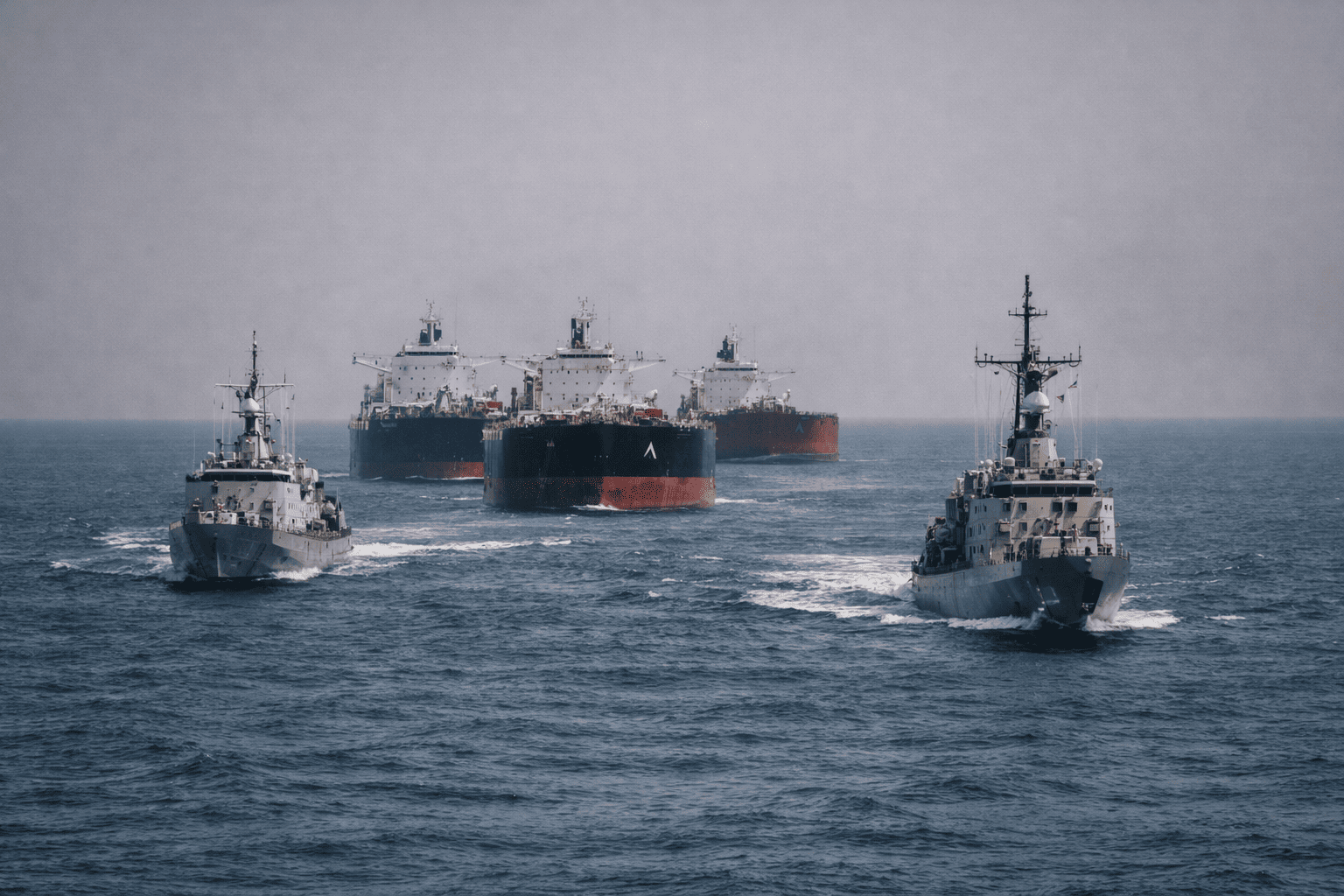
The primary catalyst for the supply crisis is the effective blockade of the Strait of Hormuz, a critical maritime chokepoint for global oil shipments. Following a breakdown in diplomatic talks, a U.S. military blockade of Iranian ports has severely restricted traffic. The International Energy Agency (IEA) reported that daily loadings of crude and products through the strait have plummeted to around 3.8 million barrels per day in early April, a dramatic fall from the over 20 million barrels per day shipped in February prior to the crisis.
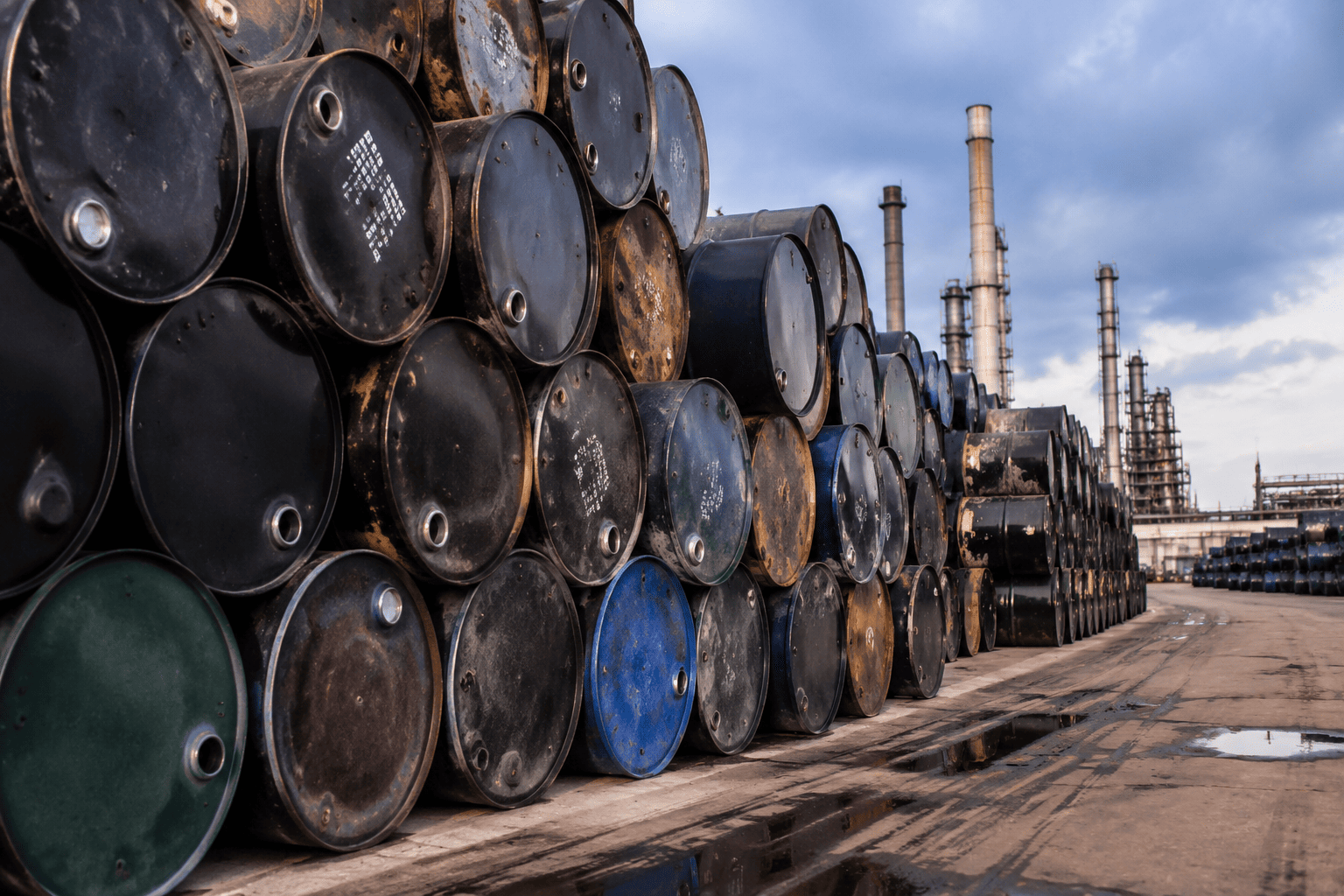
Analysts note that while futures prices reacted to news of potential renewed U.S.-Iran talks, the physical market tells a different story. "The downward pressure on prices due to the potential resumption of talks overlooks the actual reduction in the physical supply of oil barrels that are currently static," said Tamas Varga of PVM Oil Associates. The IEA emphasized that resuming flows through the Strait of Hormuz is the most critical factor for easing pressure on global energy supplies and prices.
Official Selling Prices Reflect Scarcity
The supply tightness is further evidenced by soaring official selling prices (OSPs) from key Middle Eastern producers. Saudi Arabia drastically increased its May OSP for Asian buyers, with its Arab Light crude hitting a record premium of nearly $20 per barrel over the Oman/Dubai benchmark—a sharp rise from a $2.5 premium in April. Iraq and Kuwait quickly followed with substantial increases of their own. However, Commerzbank analysts pointed out that the Strait's closure has largely paralyzed exports from Iraq and Kuwait, limiting the market impact of these official prices.
Market structure indicators also point to deepening tightness. Time spreads across the forward curve widened significantly, and the gasoil crack spread versus Brent expanded. The situation is compounded by the removal of Iranian oil from the market due to the blockade. Prior to the escalation, Iran was exporting approximately 1.7-1.8 million barrels per day, primarily to China.
Uncertain Path Forward
The market outlook remains highly contingent on geopolitical developments. The potential for renewed military escalation persists, and analysts caution that Iran is unlikely to allow normal transit through the strait while its own vessels are blocked. The IEA warned that oil-importing nations are scrambling for replacement barrels from a shrinking supply pool.
While a temporary easing of U.S. sanctions allowed a shipment of Iranian oil to head to India—the first in seven years—the longevity of this policy following the maritime blockade is uncertain. The overall picture suggests that without a diplomatic breakthrough to reopen the Strait of Hormuz, the physical supply deficit will continue to exert intense upward pressure on crude prices, keeping markets volatile. For broader context on how regional conflict is affecting corporate earnings, see our analysis on European Q1 earnings and the Middle East conflict. Furthermore, the ongoing uncertainty is detailed in our coverage of oil market volatility and U.S. export levels.
This article is for informational purposes only and does not constitute financial advice.