Market Rally on Geopolitical Developments
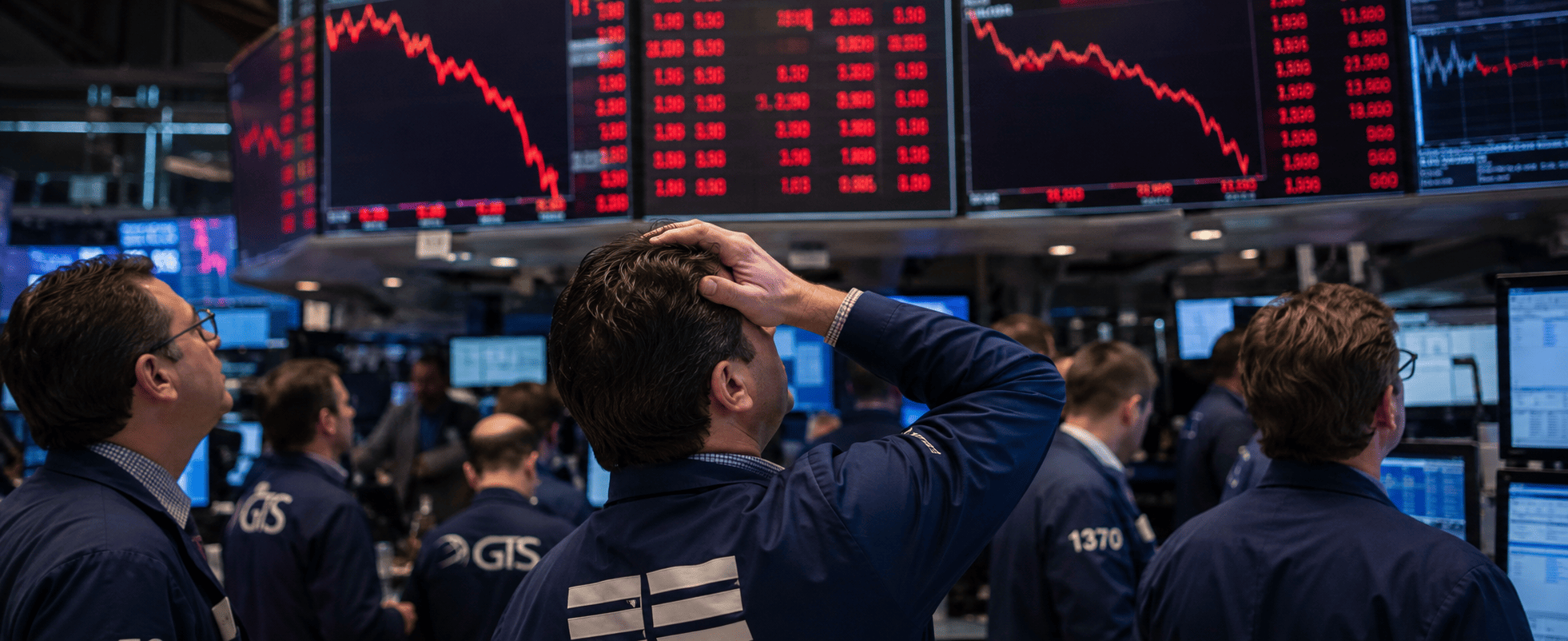
US financial markets experienced a significant rally at the end of the trading week, driven by statements from US leadership regarding potential diplomatic progress with Iran and the confirmed reopening of a critical global oil transit route. The combination of these factors led to a broad-based surge in equity prices, with major indices climbing to unprecedented levels as investor risk appetite improved markedly.
Diplomatic Statements and Market Reaction
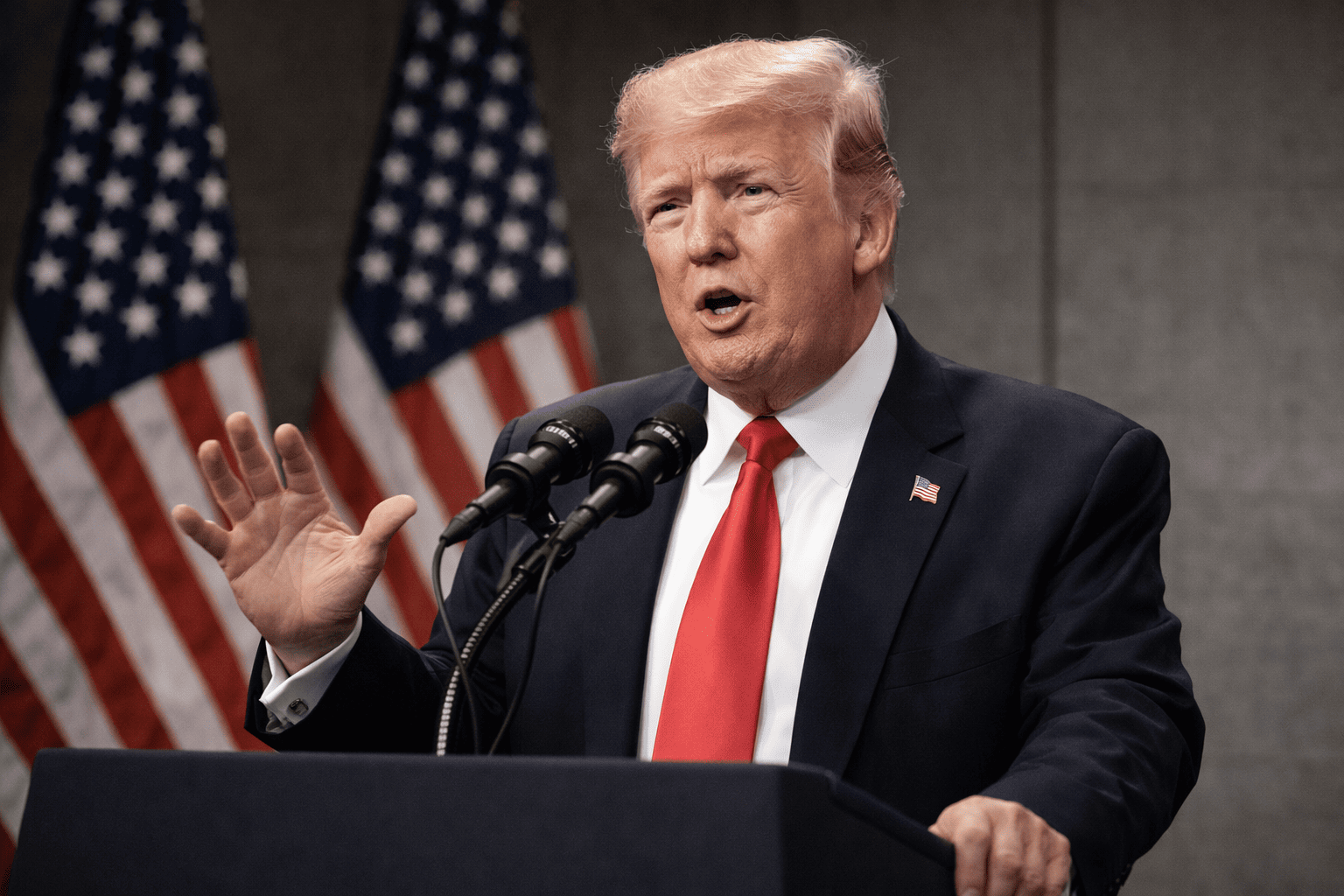
The US President indicated that negotiations with Iran concerning its nuclear activities had advanced substantially, suggesting that an agreement for Tehran to suspend its nuclear program indefinitely was largely finalized. These remarks, delivered during a media interview, contributed to positive market sentiment. However, it is important to note that Iranian officials have not publicly confirmed the specific claims about their nuclear program, though they did acknowledge the reopening of the Strait of Hormuz.

The administration stated that discussions for a lasting regional agreement could continue over the coming days, with the potential involvement of high-level US officials. The President emphasized that any nuclear moratorium would not have a time limit. Concurrently, the Iranian foreign ministry announced the Strait of Hormuz would remain open for commercial vessels during a ceasefire period related to regional tensions.
Equity Markets Reach New Peaks
The positive geopolitical developments triggered a powerful rally across US stock indices. The Dow Jones Industrial Average soared by approximately 1,049 points, representing a gain of 2.2%. The S&P 500 index rose 1.4%, decisively breaking through the 7,100 level for the first time in its history. The technology-heavy Nasdaq Composite advanced 1.6%, with both the S&P 500 and Nasdaq achieving new intraday records. The Russell 2000 index, which tracks smaller companies, also climbed 2.2% to a record high. The CBOE Volatility Index, a key gauge of market fear, dropped to its lowest point in two months.
This market surge follows a period of strength for equities, as seen in recent reports like Global Equities Reach Record Highs on Easing Geopolitical Fears and Strong Earnings and S&P 500 ETFs SPY and VOO Reach All-Time Highs Amid Earnings Strength and Geopolitical Calm.
Commodity and Sector Performance
The reopening of the Strait of Hormuz, a vital conduit for approximately one-fifth of the world's oil supply, had an immediate and pronounced impact on energy markets. Crude oil prices fell precipitously as concerns over supply disruptions eased. US West Texas Intermediate crude futures plummeted 14%, trading near $80 per barrel. The international benchmark, Brent crude, declined 10% to above $89.
The sharp drop in oil prices weighed heavily on the energy sector. Shares of major oil companies Exxon Mobil and Chevron fell 5.7% and 4.5%, respectively. The broader S&P 500 energy sector declined 4.8%. This reversal highlights the sensitivity of energy markets to geopolitical supply risks, a theme previously covered in Oil Prices Gain 3% on Supply Disruption Fears.
Cyclical and Travel Stocks Advance
In contrast to the energy sector, industries perceived as beneficiaries of lower oil prices and reduced geopolitical risk posted substantial gains. Airline stocks rallied strongly, with American Airlines and United Airlines each rising more than 7%. Cruise line operators also saw significant buying interest, with Carnival and Norwegian Cruise Line shares gaining 8.7% and 7.5%, respectively. Other consumer-facing and travel-related companies, including Amazon and Airbnb, also moved higher.
The broad market advance reflects a shift in investor focus from defensive positioning to a more risk-on stance, anticipating calmer conditions and lower input costs for transportation and consumer sectors. The easing of tensions contributed to a decline in perceived macroeconomic inflation risks, boosting appetite for cyclical assets.
This article is for informational purposes only and does not constitute financial advice.