Geopolitical Truce Provides Relief for Indian Currency
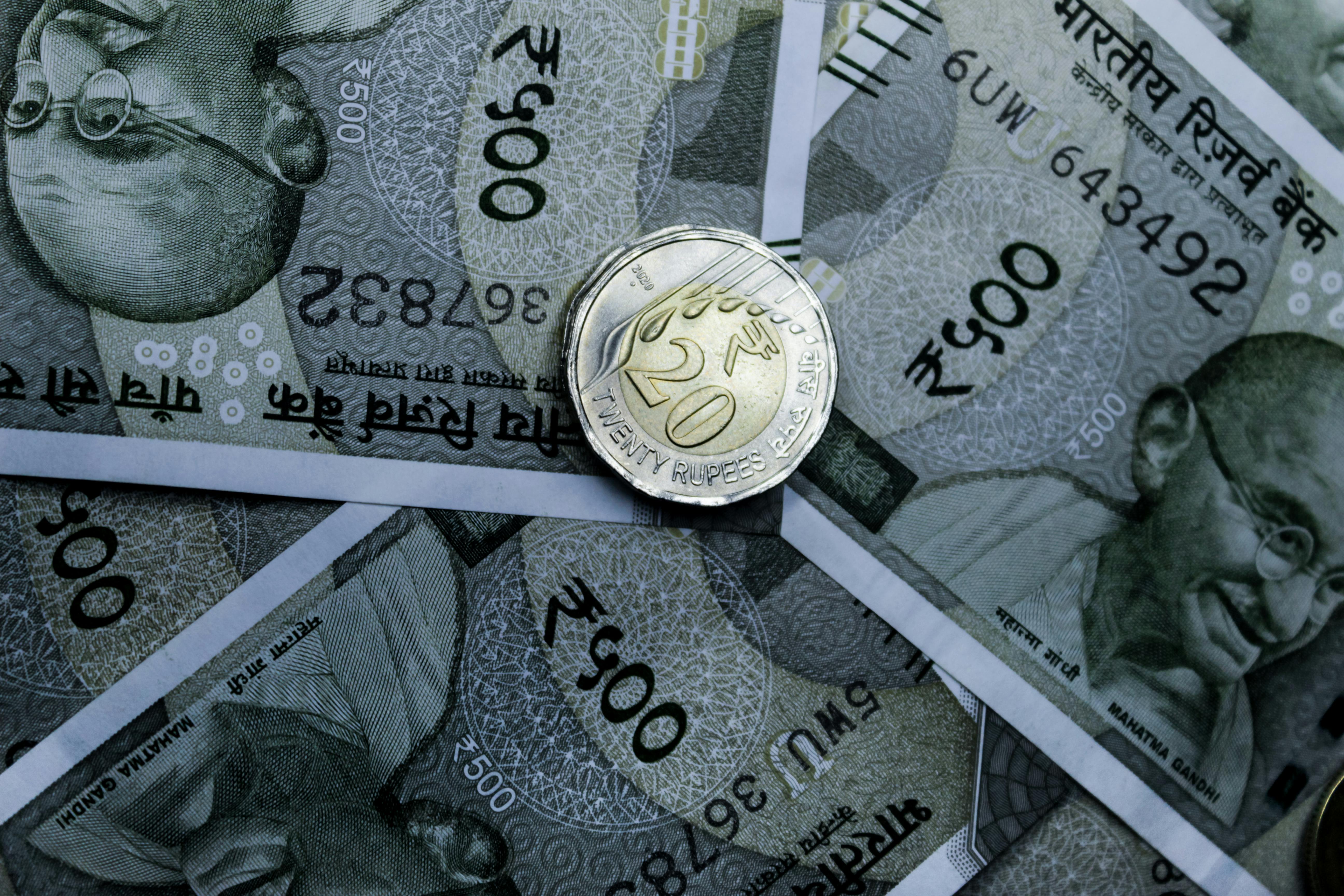
The Indian rupee is positioned for a stronger opening in Wednesday's trading session following a significant geopolitical development. A two-week ceasefire agreement between the United States and Iran has triggered a substantial decline in global oil prices, offering crucial relief to major energy-importing economies like India. This development arrives just as the Reserve Bank of India prepares to announce its latest monetary policy decision.
Market Reaction to Strait of Hormuz Reopening
The immediate market impact of the ceasefire has been pronounced. Brent crude futures, a key global oil benchmark, plummeted approximately 14% to trade near $94.10 per barrel. This sharp reversal follows a sustained period of price gains that had significantly increased India's import costs and pressured its current account balance. The truce has led to the reopening of the Strait of Hormuz, a critical maritime chokepoint for global oil shipments, easing concerns over supply disruptions that had fueled recent market volatility.
Risk sentiment improved broadly across Asian financial markets in response to the de-escalation. Major equity indices in South Korea and Japan posted substantial gains, while U.S. Treasury yields and the dollar index retreated as capital flowed back toward risk-oriented assets. Analysts note that the reopening of the vital shipping corridor is a key positive signal for market stability, though the sustainability of diplomatic progress during the two-week window remains a critical factor for traders to monitor.
RBI Policy Decision Amid Shifting Fundamentals
The timing of the geopolitical development is particularly significant for India's central bank. The Reserve Bank of India is widely anticipated to maintain its current benchmark interest rates at Wednesday's policy meeting. A consensus among market analysts suggests the Monetary Policy Committee will opt for a pause, as the sudden drop in oil prices alleviates some of the immediate inflationary pressures that had been building due to elevated energy costs.
Earlier this week, the RBI implemented measures to stabilize the domestic currency, including restrictions on short-term foreign currency borrowing by banks and corporations. These actions contributed to the rupee recovering from a recent 13-month low. With oil prices now in retreat and a key shipping lane reopened, the central bank's challenging task of balancing inflation control with supportive growth policies has become somewhat less urgent, at least for the duration of the ceasefire period.
Currency and Inflation Outlook
The Indian rupee is projected to open trading within a range of 92.40 to 92.50 against the U.S. dollar, representing a notable strengthening from its previous close. The currency's rebound is directly tied to the reduced import bill forecast resulting from lower crude prices. This provides the RBI with enhanced flexibility in its currency management and monetary policy stance.
However, the situation remains contingent on the fragile diplomatic process. Market participants will scrutinize the RBI's official statement and commentary for insights into how policymakers are incorporating the ceasefire and its potential effects into their medium-term economic projections. Any breakdown in talks or renewed threats to shipping security in the Persian Gulf could swiftly reverse the rupee's gains and reignite inflationary concerns. For related analysis on the central bank's recent actions to support the currency, see RBI Defends Rupee at 93 Amid Geopolitical Tensions.
Broader Market Implications
The ceasefire's impact extends beyond foreign exchange and monetary policy. The sharp correction in oil markets alters the outlook for several asset classes and regional economies. The price movement underscores how geopolitical events in the Middle East can have immediate and profound effects on global commodity flows and emerging market currencies. The performance of other commodities, such as gold, may also be influenced by the shifting risk environment and dollar dynamics resulting from this development.
Investors are advised to monitor the situation closely, as the two-week truce period represents a critical variable for market stability. The normalization of tanker traffic and energy exports through the Strait of Hormuz will be a key practical indicator of the agreement's effectiveness. The future trajectory of the rupee, India's inflation path, and the RBI's policy direction will be heavily influenced by whether diplomatic progress is sustained or falters in the coming days.
This article is for informational purposes only and does not constitute financial advice.