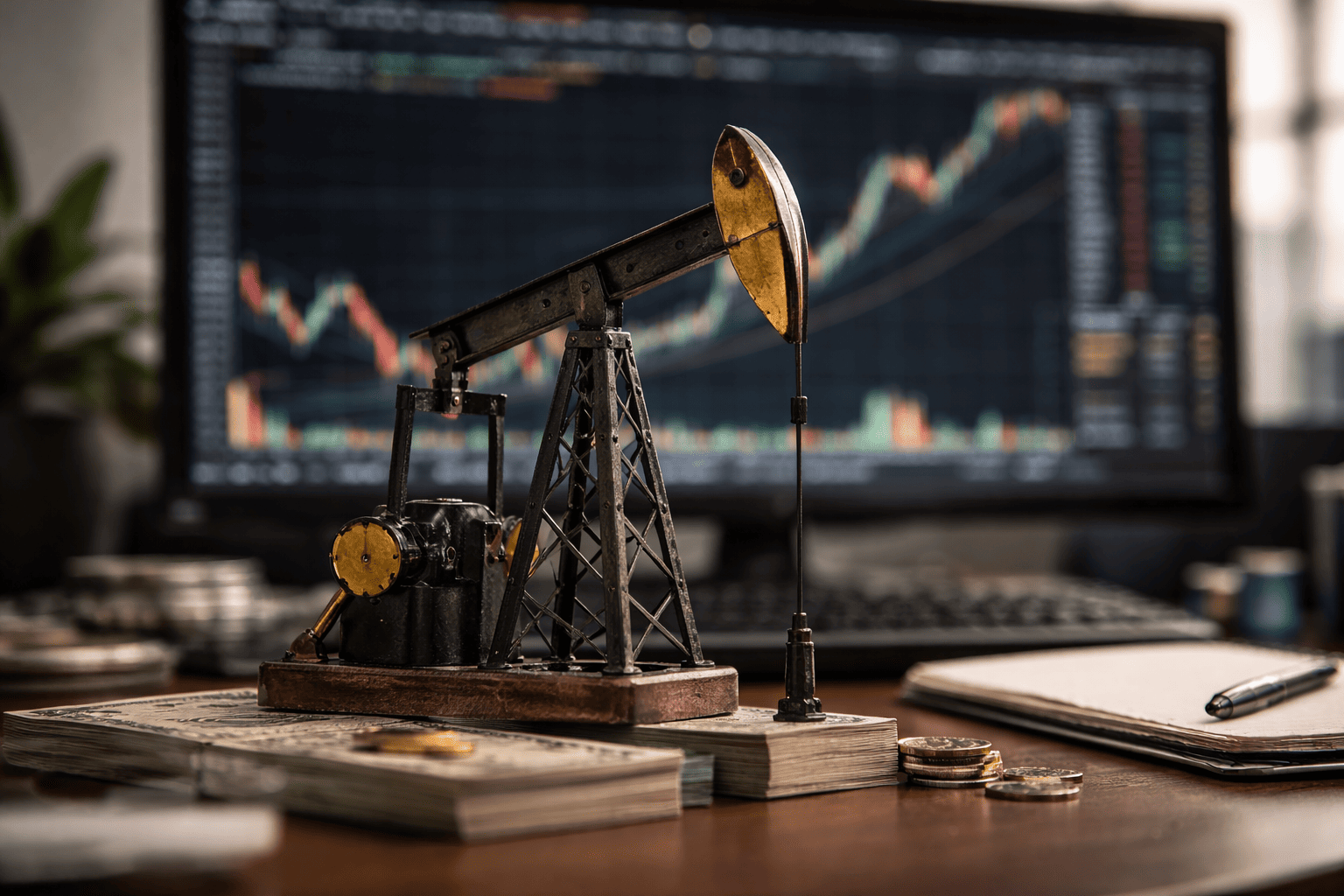
Gold Navigates Conflicting Forces Near Key Level
The price of gold demonstrated resilience in Thursday's trading session, holding firm near the $4,800 per ounce threshold. This stability comes amid a complex interplay of market forces, where a depreciating US dollar is providing underlying support, while growing optimism regarding potential diplomatic resolutions in the Middle East is tempering traditional safe-haven inflows.
Currency Moves Offset Shifting Risk Sentiment
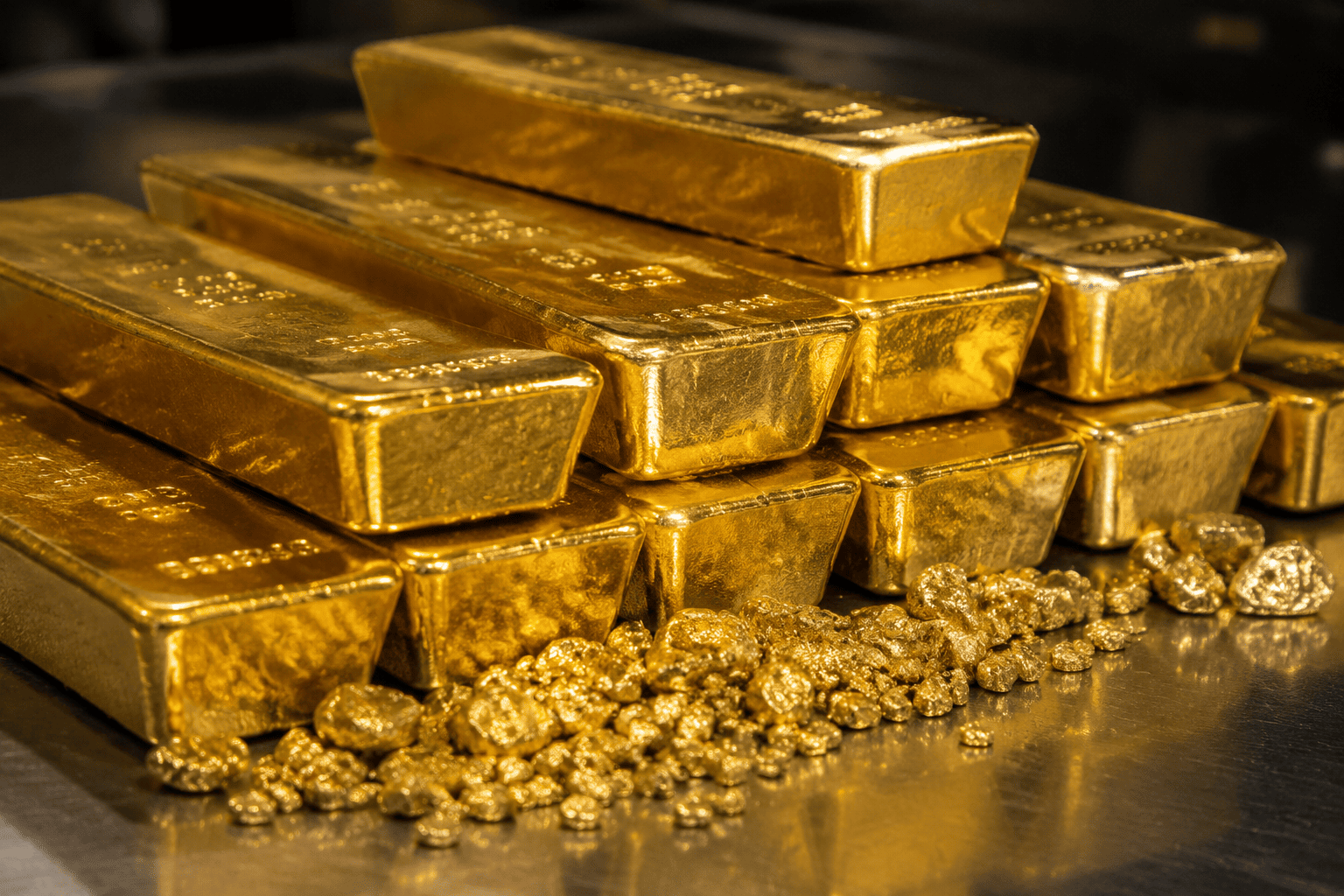
Spot gold traded at approximately $4,821.44 an ounce, marking a modest gain. US gold futures for June delivery also moved higher. Analysts note that the primary near-term catalyst for this strength is the dollar's position near a six-week low. A weaker greenback makes dollar-denominated assets like bullion less expensive for international buyers, creating a supportive price floor.
Concurrently, market sentiment is being shaped by reports of potential progress toward a ceasefire between the US and Iran. This development typically reduces the immediate demand for defensive assets. The market's current behavior underscores a delicate balance: while geopolitical fears may be easing, investors remain attentive to broader economic uncertainties, including the trajectory of interest rates and energy costs, which sustains some level of interest in precious metals.
The Dual Impact of Geopolitics and Monetary Policy
The situation presents a nuanced picture for gold. Historically, escalating tensions boost its appeal. However, the current scenario reveals how multiple factors can interact. The prospect of conflict de-escalation is capping more aggressive bullish momentum, while the currency market is providing countervailing support. Furthermore, the outlook for US interest rates remains a critical backdrop. Expectations for Federal Reserve rate cuts have diminished significantly since early 2024, which presents a headwind for non-yielding assets like gold, as higher rates increase their opportunity cost.
Market technicians are watching key resistance levels. A sustained move above $4,900 could pave the way for a test of the psychologically significant $5,000 mark. The near-term path will likely be determined by the relative strength of the dollar, the concrete outcomes of diplomatic efforts, and any further shifts in interest rate expectations.
Broader Precious Metals Complex Rises
The support from a softer dollar was evident across other precious metals. Silver, platinum, and palladium all posted gains in early trading. This synchronized movement suggests the sector is benefiting more from broad currency dynamics than from a concentrated flight to safety. It indicates a market where macro factors, rather than pure geopolitical panic, are driving price action.
Since the onset of heightened Middle East tensions in late February, gold's performance has been instructive. Prices retreated from their peak as markets assessed that higher energy prices could fuel inflation, potentially delaying monetary easing from central banks. This demonstrates that the traditional 'safe-haven' narrative can be complicated by secondary effects on inflation and rate policy.
For investors, the current environment suggests gold is in a holding pattern. Prices are firm, supported by currency weakness, but significant upside appears constrained without a renewal of safe-haven demand or a more dovish shift in global rate expectations. The market awaits clearer signals on both the diplomatic front and from central banks. Related market movements can be seen in other assets, as detailed in our coverage of the Nikkei 225's rally on geopolitical optimism and the broader economic context from China's latest GDP data.
This article is for informational purposes only and does not constitute financial advice.