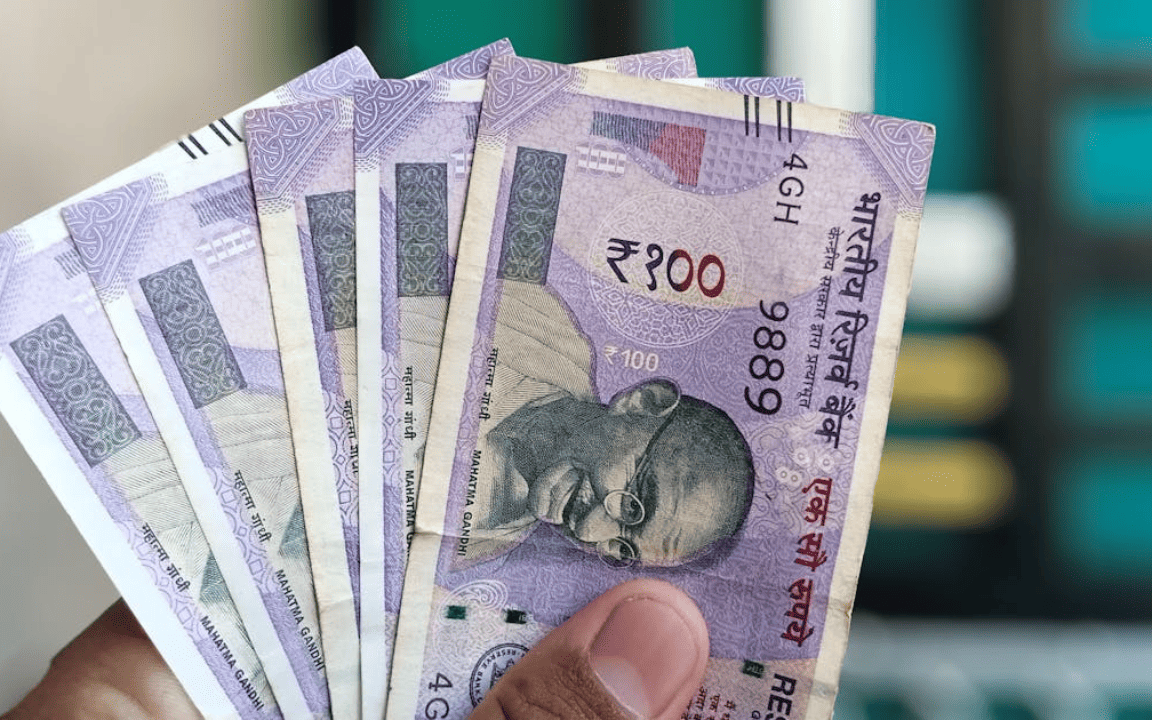
Central Bank Action Anchors Currency After Volatility
The Reserve Bank of India (RBI) is engaged in sustained intervention to maintain the Indian rupee above the 93-per-dollar threshold, following a period of intense market volatility that pushed the currency to historic lows. After touching a record level near 95 per dollar last week, the rupee stabilized around 93.06 in recent sessions, with trading ranges narrowing significantly—a signal that central bank support is providing a temporary floor for the currency.
Market Mechanics and Speculative Unwinding
Traders report that the recent stabilization is partly technical, driven by the unwinding of dollar positions by domestic banks and the closure of speculative trades that had accumulated near the 93 level. This reduction in bank dollar exposure has offered the rupee some breathing room, allowing it to consolidate around current levels. However, market participants note that for a durable recovery, the currency must demonstrate independent strength beyond the RBI's supportive measures.

The central bank's actions have succeeded in calming immediate panic, but the underlying fundamentals remain challenging. India's significant dependence on imported energy makes its currency particularly sensitive to fluctuations in global oil prices, which have remained elevated due to geopolitical tensions.
Geopolitical Headwinds from the Strait of Hormuz
A major external factor complicating the RBI's task is the heightened tension surrounding Iran. Statements from U.S. leadership regarding the Strait of Hormuz have injected uncertainty into global risk sentiment, affecting currencies and commodities worldwide. The prospect of a prolonged regional conflict sustains a risk premium in oil markets, directly pressuring oil-importing economies like India.
Higher crude prices widen India's trade deficit and put strain on its current account balance, creating a persistent headwind for the rupee. This external pressure exists largely outside the direct control of domestic monetary policy, forcing the RBI to counterbalance forces driven by international events.
The Dual Challenge for the Rupee's Path Forward
The near-term trajectory of the Indian rupee appears to hinge on two critical variables. First is the duration and effectiveness of the RBI's market operations, combined with the ongoing impact of domestic position unwinding. Second, and equally crucial, is the evolution of the Iran situation and its effect on global energy prices.
A de-escalation of geopolitical tensions could lead to lower oil prices, reducing the import bill and providing the rupee with fundamental relief. Such a development would significantly ease the central bank's stabilization efforts. Conversely, further escalation would test the limits of the RBI's foreign exchange reserves and its willingness to continue large-scale intervention.
For investors monitoring currency markets, the rupee's stability around 93 represents a fragile equilibrium. While technical factors and central bank support have provided a temporary anchor, the currency's medium-term direction remains tethered to global risk sentiment and commodity price movements. The situation underscores the challenges faced by emerging market central banks in managing currency stability amid volatile international capital flows and geopolitical shocks.
Related market developments include analysis on broader shifts in global risk sentiment, movements in the U.S. Dollar Index, and the impact of energy prices on other major asset classes.
This article is for informational purposes only and does not constitute financial advice.