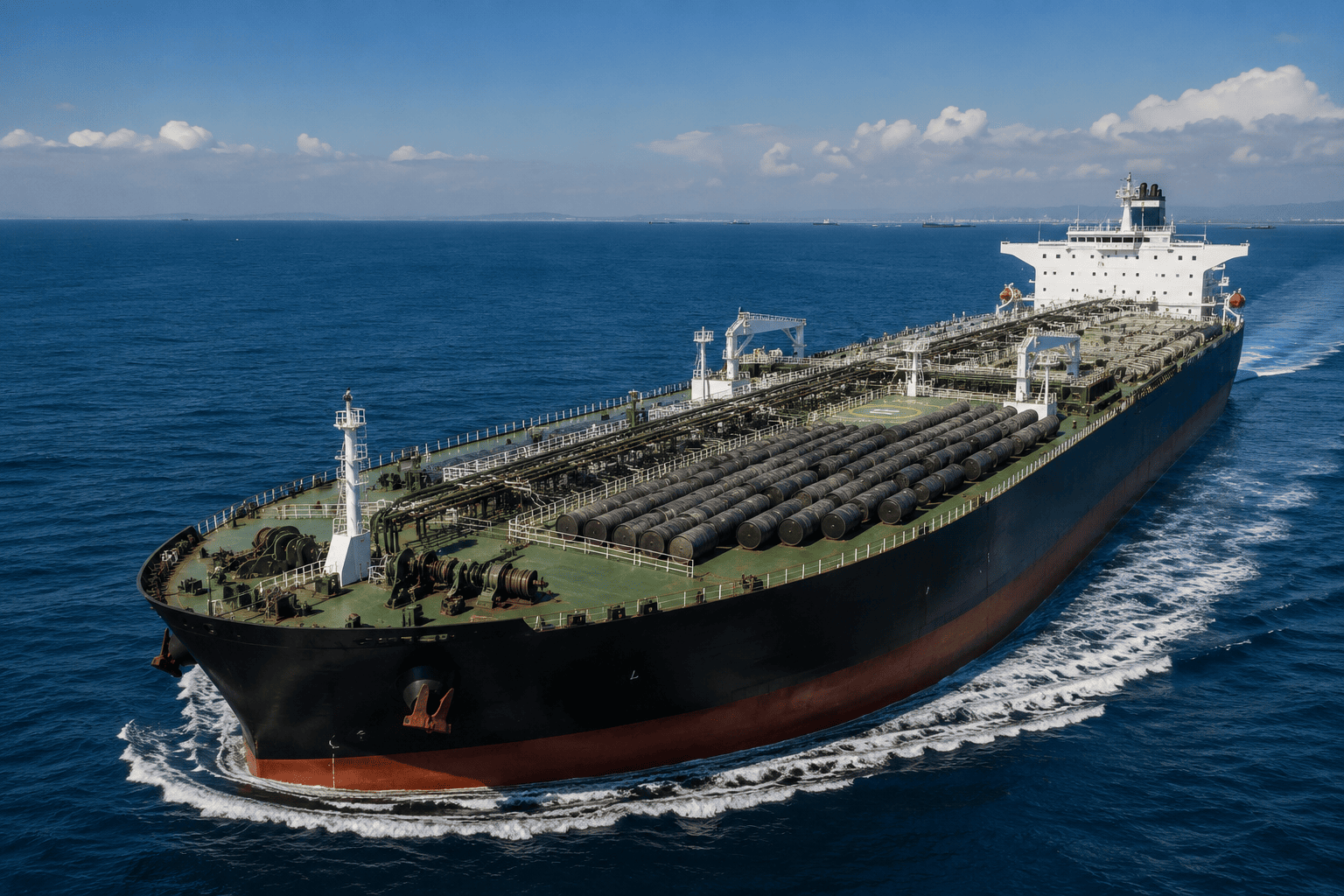
Oil prices continued their upward march on Wednesday, with Brent crude climbing 72 cents to $89.63 a barrel and West Texas Intermediate gaining 71 cents to $83.91, as attacks on shipping in two critical Middle East trade routes intensified worries that supply disruptions could persist longer than previously anticipated.
Both benchmarks had already settled more than $1 higher on Tuesday after surging roughly 5% on Monday. The rally reflects a market that is again pricing in heightened geopolitical risk, with US-Iran negotiations at a standstill and traffic through the Strait of Hormuz severely constrained.
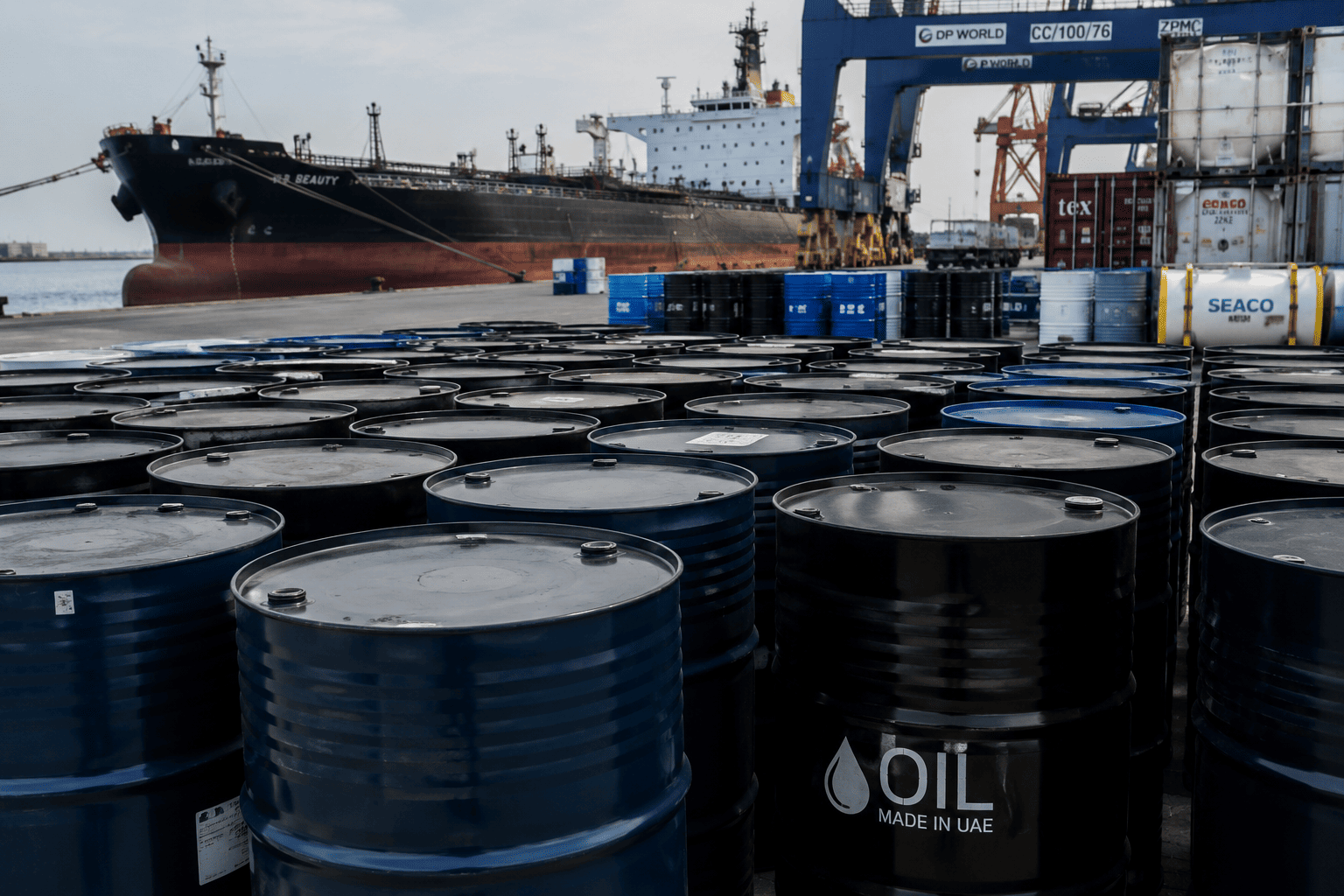
Shipping attacks turn diplomacy into a supply problem
The latest escalation followed separate incidents involving Iran-aligned Houthi forces and the US military, widening the risk beyond Hormuz itself. Four crew members were killed when the Egyptian-owned Tihamah was struck near the Bab el-Mandeb Strait, while two rescuers died in a subsequent attack. The US military also disabled the Panama-flagged Vela Nova in the Gulf of Oman after saying the vessel attempted to breach a blockade on Iranian ports.
These incidents matter because alternative shipping routes are becoming less secure while Hormuz remains impaired. The US Energy Information Administration estimates only 4.9 million barrels a day of crude and petroleum liquids moved through Hormuz in the second quarter, down from 21.6 million barrels a day in the final quarter of 2025.
Infinox analyst Thadeu Dos Santos expects oil volatility to remain elevated unless diplomacy produces a clear breakthrough, reflecting growing scepticism that political statements alone can restore normal flows while vessels face direct security threats.
Physical tightness keeps Brent supported
The EIA's latest outlook shows how much the disruption has changed the supply picture. It estimates 5.5 million barrels a day of Middle East production was shut in during July and assumes Hormuz traffic will remain severely constrained through August before improving gradually from September. The agency expects global oil inventories to fall by an average 3.8 million barrels a day in the third quarter.
It forecasts Brent to average about $85 this quarter, $11 higher than in its previous outlook, before easing to $78 in the fourth quarter as trade routes and production recover. That suggests the rally is not being driven solely by a fear premium. Lost production and depleted inventories are giving both Brent and WTI firmer physical support.
There is still a near-term brake. American Petroleum Institute figures pointed to an unexpected 9.1 million-barrel increase in US crude inventories last week. Gasoline and distillate stocks fell, however, leaving traders waiting for official EIA data.
Inflation risk keeps crude sensitive to every headline
Oil traders are also watching US consumer-price data due later on Wednesday because a sustained move in Brent towards $90 could complicate the Federal Reserve's inflation outlook. Economists expect July headline CPI to rise 0.1% from June and 3.4% from a year earlier. Core inflation is forecast at 0.2% for the month and 2.5% annually.
The latest oil surge will not be fully reflected in that report, but persistent energy gains could lift inflation expectations and revive the prospect of tighter policy. That creates a two-sided risk for crude. Higher rates could eventually weaken demand, while another deterioration in Hormuz or Bab el-Mandeb security could tighten supply faster than demand responds.
For now, supply risk is winning. With shipping attacks spreading across multiple routes and the EIA no longer expecting a quick return to normal, Brent's move towards $90 looks more like a reassessment of how long disruption could last than a brief geopolitical spike. As oil steadies near one-week high, traders remain on edge. Meanwhile, Brent slips below $80 in earlier sessions showed how quickly sentiment can shift. The S&P 500 and Dow hit records as AI earnings surged, but oil's climb could test that optimism. And Trump's rare rebuke of Exxon and Chevron signals political pressure over gas prices.
This article is for informational purposes only and does not constitute financial advice.