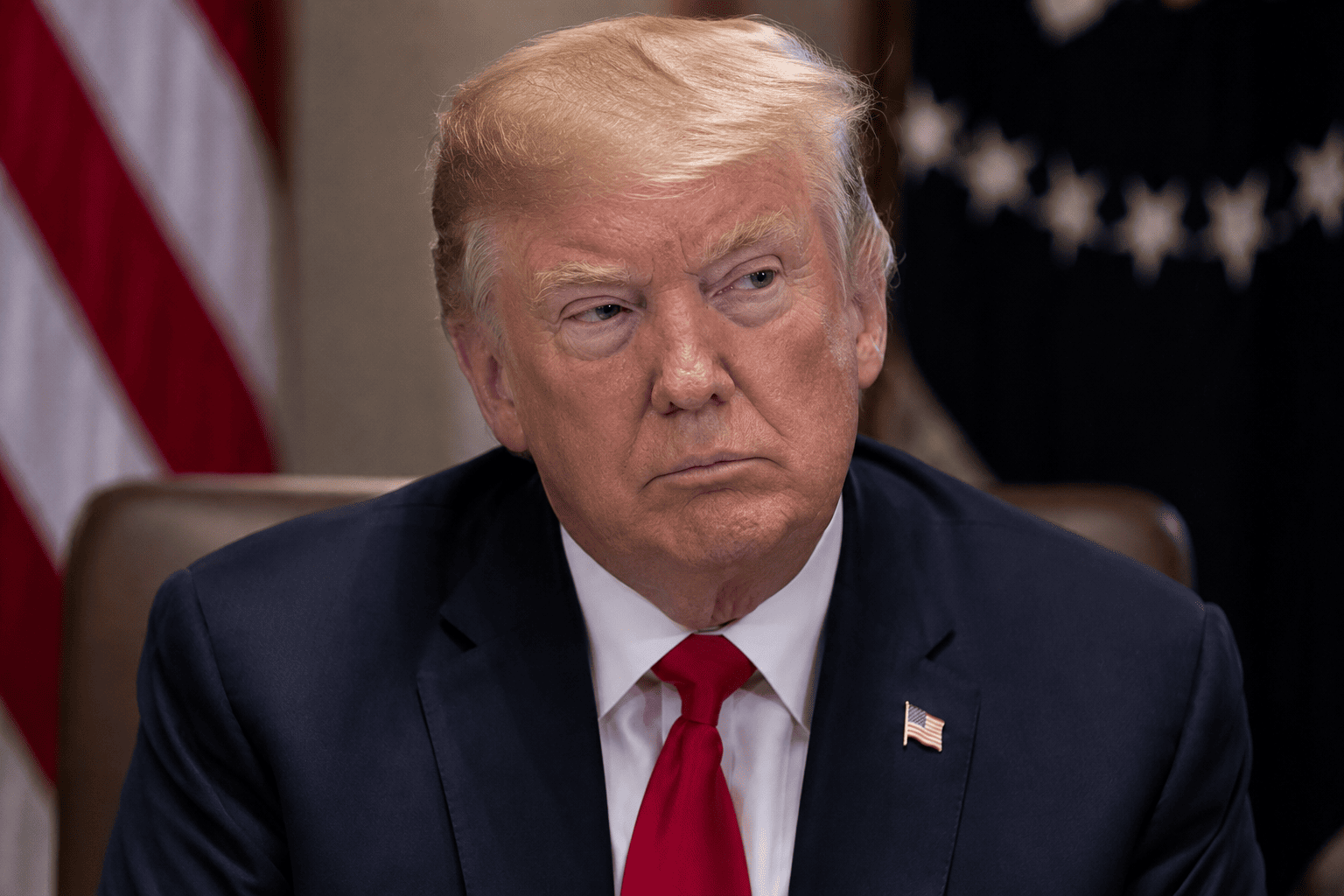
President Donald Trump on Monday publicly criticized ExxonMobil and Chevron for reaping excessive profits from elevated fuel prices, urging the nation's largest oil companies to reduce gasoline costs for American consumers. The remarks mark a notable departure from his consistent support for the oil industry and its expansionary agenda.
"Based on a shortage, they're making too much money," Trump told reporters in the Oval Office. "I don't like it." He specifically called out both companies, stating, "Chevron, too much money. Exxon Mobil, too much, too much money. They ought to give some of that back to the public, and they better cut the retail price, the consumer price."
The comments come as the White House faces mounting political pressure over persistently high gasoline prices ahead of the November midterm elections. Republicans are fighting to retain control of Congress, and fuel costs remain a top concern for voters. Trump's stance is particularly striking given his administration's pro-production policies, which have been welcomed by the energy sector.
Record Profits Amid Geopolitical Tensions
The criticism follows blockbuster quarterly earnings from both Exxon and Chevron, driven by higher crude prices and stronger refining margins. Chevron reported its highest quarterly profit in at least six years, with adjusted earnings of $12 billion, or $6.06 per share, beating the average analyst estimate of $5.56 per share, according to LSEG data.
The ongoing conflict involving Iran has disrupted global energy supplies, pushing oil prices higher and allowing major producers and refiners to benefit from elevated margins. The average U.S. retail gasoline price has hovered around $4.10 per gallon over the past week, compared with less than $3 before the United States and Israel launched attacks against Iran on February 28.
Market Volatility and Policy Shifts
Trump's remarks also come amid a series of rapid policy shifts regarding Iran. On Sunday, he abruptly called off what he described as the "biggest attacks since World War II" in favor of renewed negotiations. Crude prices eased only slightly following the announcement, while gasoline prices remained largely unchanged.
Oil prices edged higher early Tuesday as optimism over a diplomatic resolution faded. West Texas Intermediate crude futures rose 1.29% to $81.38 a barrel, while Brent crude gained 1.73% to $85.23. Trump said talks were ongoing at the request of Iran, Saudi Arabia, the UAE, Qatar, and others, calling it a "last chance for them to sign a good document." However, Tehran denied any direct negotiations were taking place.
Analysts warn that Trump's ability to influence markets through public statements may be weakening as supply conditions tighten and the election approaches. The administration has relied on several measures to cushion consumers, including reduced Chinese oil imports, rerouting Saudi crude through the Red Sea, and releases from the Strategic Petroleum Reserve. Last week, the administration released nearly 3 million barrels, bringing stockpiles to their lowest level since February 1983.
Limited Tools and Political Risk
Industry observers caution that these measures offer only temporary relief. Global crude inventories remain tight, the prolonged conflict continues to threaten energy flows, and refiners are operating with limited spare capacity, leaving the administration with fewer options to bring down prices.
Trump has made boosting domestic energy production a defining pillar of his economic agenda, but his latest comments illustrate the balancing act between encouraging producers to expand output while also demanding that consumers benefit from lower prices. That tension is likely to intensify as the election season approaches.
With the summer driving season nearing its end, motorists are also expecting gasoline prices to decline. According to Patrick de Haan, head of petroleum analysis at GasBuddy, if the national average price remains above $4 per gallon by Saturday, it would mark the latest point in the calendar year that prices have stayed at that level, setting a new record. For the White House, that prospect risks adding further pressure as voters continue to rank the cost of living among their biggest concerns heading into the November midterm elections.
This article is for informational purposes only and does not constitute financial advice.