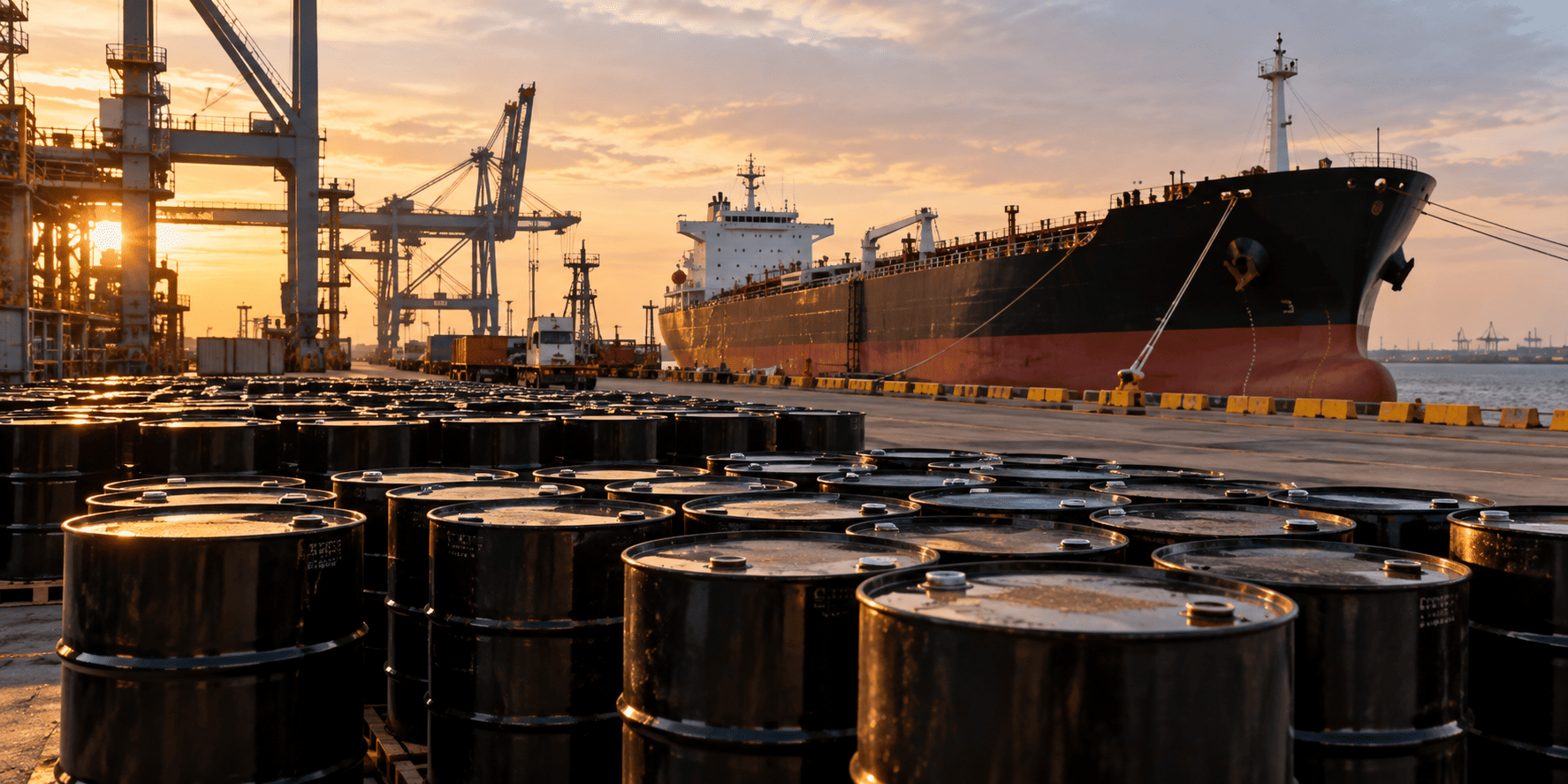
Oil prices held near one-week highs on Tuesday as investors weighed diplomatic signals on the Strait of Hormuz against persistent supply disruptions from the Middle East and Russia. Brent crude futures rose 1.05% to $88.64 a barrel, while US West Texas Intermediate gained 1.25% to $83.16, following a previous session that saw both benchmarks settle at their highest levels since July 31.
The market has been closely monitoring talks between Oman and Iran over shipping routes through the strategic waterway. Qatar's foreign ministry said discussions had reached an advanced stage, but an exchange of demands between the US and Iran has complicated efforts to reopen the strait. Before the conflict began on February 28, roughly 20% of global oil supplies passed through the Strait of Hormuz.
Shipping disruptions persist despite diplomatic headlines
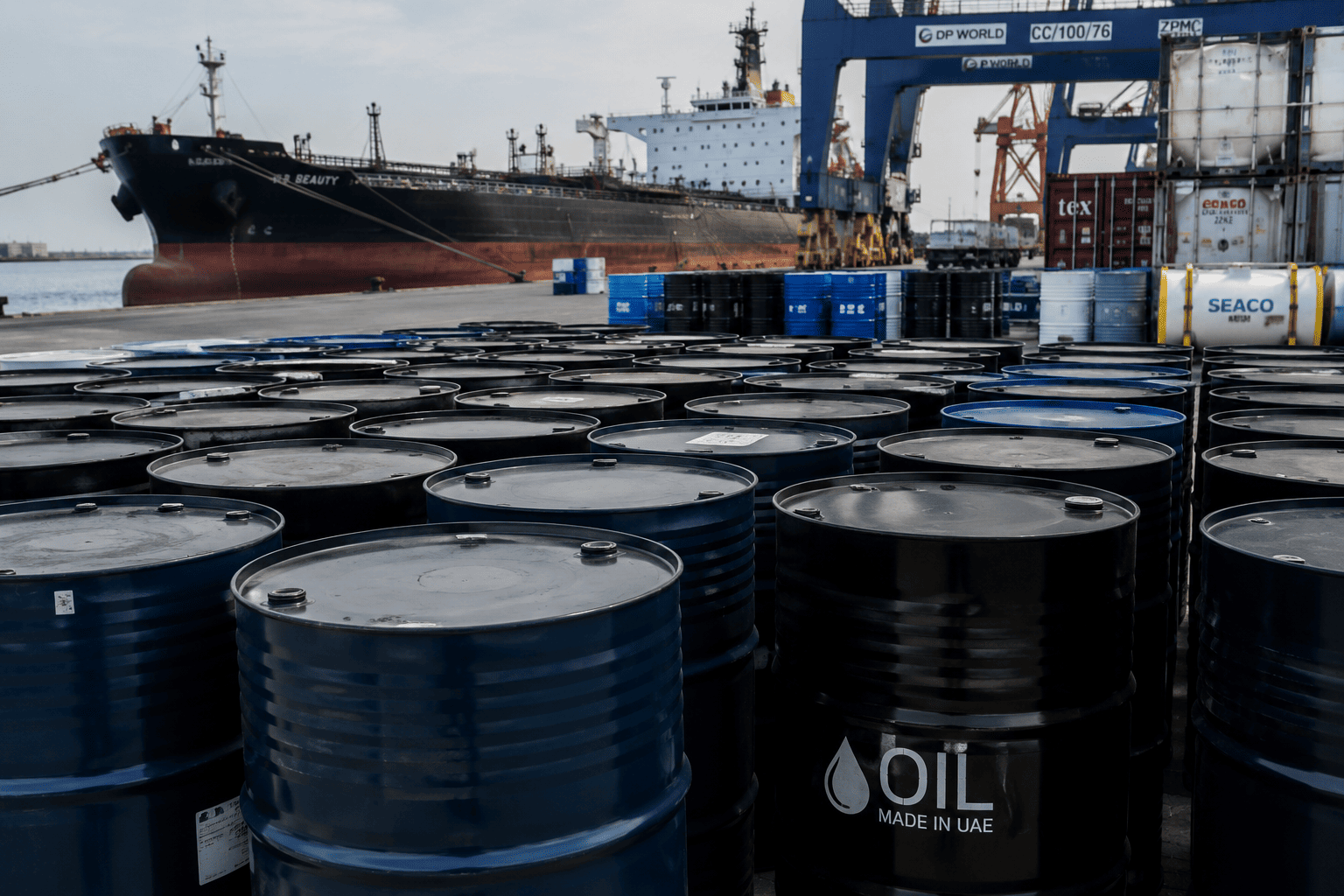
Despite signs of diplomatic progress, shipping activity through the strait remains significantly below pre-conflict levels. Data showed only six vessels transited on Monday, compared with a 10-day average of around 11, underscoring the continued disruption to one of the world's most critical energy corridors.
Fawad Razaqzada, analyst at City Index and FOREX.com, told Reuters that the market remained cautious. "Any signs of de-escalation or any signs of a deal are good news for risk assets and bad for oil, obviously. But it's all talk at the moment. It's all headlines. There's no meaningful progress."
Tensions remain elevated across the region. Three crew members were killed in a suspected Houthi attack on an Egyptian-owned vessel in the Bab el-Mandeb Strait, and a container ship was struck by a missile off Pakistan in what sources described as a suspected US attack. Meanwhile, Abu Dhabi National Oil Company continued offering spot crude cargoes through tenders as it seeks alternative export routes outside the strait.
Supply risks extend beyond the Middle East
Supply concerns also reached beyond the region. Libya warned it could declare force majeure if drone attacks on energy infrastructure continued in the strategic city of Zawiya, while Ukraine said it had struck an oil refinery in Russia's industrial city of Orsk. These disruptions, combined with Middle East tensions, have supported oil prices throughout the year, with Brent crude now up about 44% in 2026.
Analysts warned that sustained strength in oil prices could complicate inflation and monetary policy. Warren Patterson, ING's head of commodity strategy, said geopolitical uncertainty continued to underpin the market. "Oil prices remain supported by uncertainty surrounding the Strait of Hormuz. While Trump said Washington is 'semi-negotiating' with Iran, suggesting a focus on economic pressure rather than military escalation, significant hurdles remain before any broader agreement is reached."
US Strategic Petroleum Reserve inventories have fallen below 300 million barrels, their lowest level since 1983, reducing the country's ability to respond to additional supply disruptions. US gasoline inventories are also at their lowest levels in more than a decade, keeping fuel prices elevated.
Investors are now watching for further diplomatic developments and their potential impact on oil prices. Meanwhile, equity markets have shown some resilience on hopes that easing tensions could temper inflation, though cautious sentiment persists ahead of key economic data.
This article is for informational purposes only and does not constitute financial advice.