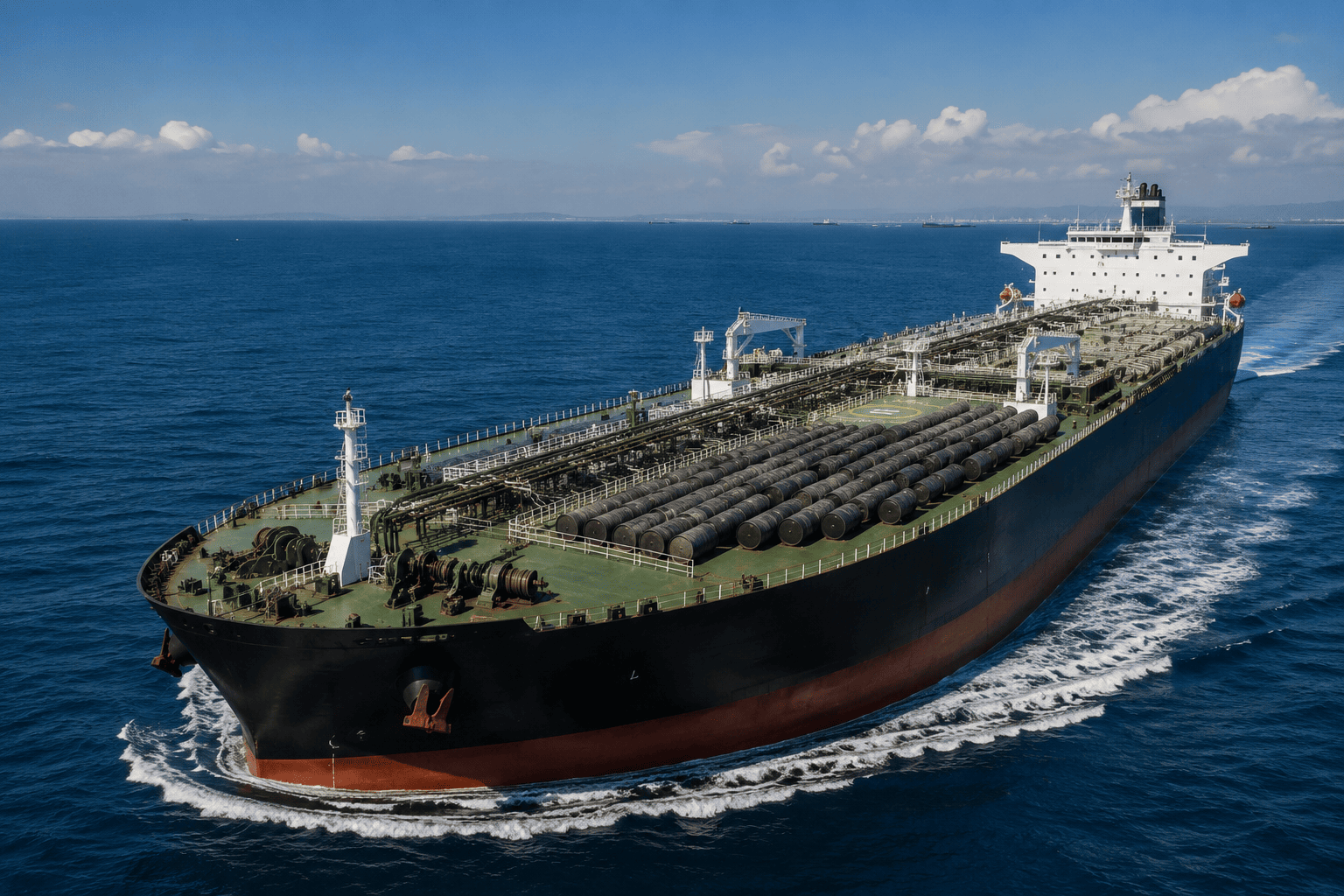
Oil prices retreated on Thursday as diplomatic signals from Iran and Oman raised expectations that the Strait of Hormuz could reopen to normal traffic. However, persistent threats to Red Sea shipping and a surprise build in US crude inventories kept the market from pricing in a clean resolution to the region's supply crisis.
Brent crude futures fell 0.4% to $79.12 a barrel by 4:18 AM GMT, dipping back below the $80 threshold. West Texas Intermediate declined 0.6% to $74.80. Both benchmarks are now hovering near levels seen after the temporary US-Iran agreement in June, when traders first began to anticipate a recovery in Gulf exports.
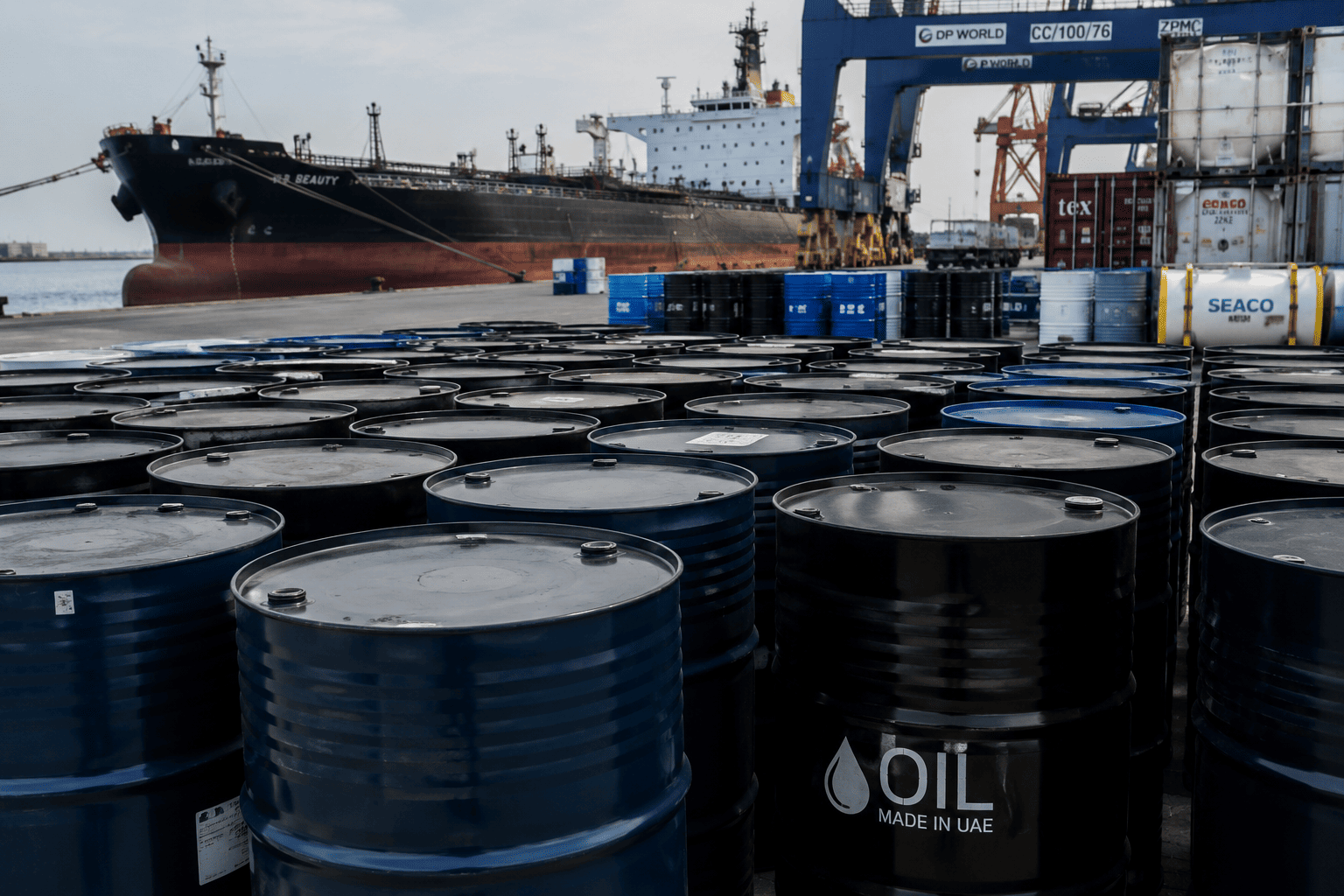
Hormuz optimism trims risk premium
Iran and Oman have reportedly agreed on the coordinates for a proposed shipping route through the strait and are finalizing a joint statement. Tehran has indicated that the arrangement would still depend on outside powers, particularly the US, not obstructing the process. The emerging framework could place inbound vessels on an Iranian-controlled route, with outbound traffic overseen by Oman.
That structure remains politically sensitive, as Washington has opposed any arrangement that would allow Tehran to control access or impose fees in one of the world's most critical energy corridors. Nomura economist Yuki Takashima noted that progress in the talks has encouraged renewed selling, with prices returning to levels seen around the June 17 interim agreement. The market is now focused on whether the US and Iran can convert another temporary understanding into a lasting settlement.
The stakes are high. The Strait of Hormuz carried 20.9 million barrels per day in the first half of 2025, roughly 20% of global petroleum consumption. While Saudi and UAE pipelines can bypass the waterway, their combined alternative capacity covers only a fraction of normal flows.
A shipping deal would not end the supply squeeze
The initial market reaction suggests traders expect an agreement to unlock more Gulf barrels. Yet physical exports remain far from normal. Gulf crude and condensate shipments in July were about 40% below pre-war levels, indicating that diplomatic progress has not yet translated into a full recovery in tanker traffic.
ING analysts view the direction of direct US-Iran negotiations as the decisive factor. Without progress between Washington and Tehran, they argue that disrupted energy flows are unlikely to normalise sustainably, even if Iran and Oman settle the route's technical details. The Energy Information Administration expects global production and trade to move closer to pre-conflict levels by year-end, forecasting Brent to average $74 a barrel in the third quarter. That projection assumes the recovery in Gulf supply continues without another major disruption.
ING has separately warned that Hormuz traffic remains below pre-war levels and that renewed military escalation could quickly disrupt the supply recovery. Its current outlook assumes Brent averages about $80 in the third quarter before easing later in the year.
Red Sea attacks and US inventories limit the decline
That assumption is already being tested beyond Hormuz. Yemen's Iran-aligned Houthis said they targeted Saudi oil tankers near Yanbu and in the Gulf of Aden, extending risks to the Red Sea routes used to divert crude away from the Persian Gulf. Saudi Arabia had not confirmed the attacks.
US inventory data added another bearish signal. Commercial crude stocks rose by 2.5 million barrels to 407 million in the week ended July 31, against expectations for a decline, as imports increased and refinery utilisation eased. Inventories nevertheless remained about 6% below their five-year seasonal average.
Oil is therefore caught between diplomatic hope and a still-fragile supply system. A credible Hormuz agreement could pull Brent towards the mid-$70s and WTI closer to $70. Until tanker traffic, Gulf exports, and Red Sea security improve together, the geopolitical premium is unlikely to disappear entirely.
This article is for informational purposes only and does not constitute financial advice.