
Oil prices remained largely flat on Friday, with benchmark crude posting only modest gains as investors weighed the impact of ongoing US-Iran negotiations against a recovery in Middle East oil production and lingering demand concerns. Brent crude futures edged up 0.19% to $71.94 per barrel, while US West Texas Intermediate (WTI) crude rose 0.13% to $68.78. Despite the slight uptick, both benchmarks were broadly unchanged for the week, having fallen to their lowest levels since late February.
Diplomatic Efforts Provide Support
Investor sentiment was buoyed by diplomatic progress between the United States and Iran, with hopes that negotiations could help stabilize oil flows through the Strait of Hormuz. According to Commerzbank analysts, expectations for a full reopening of the strategic waterway have been supported by the ongoing talks. Citi analysts noted that while the dealmaking process remains fragile, the incentives for both sides to maintain the current memorandum of understanding are strong. US President Donald Trump stated on Thursday that Iran had 'accepted nearly everything we require,' and Qatar reported positive progress in discussions. However, geopolitical risks persist, as Iran's joint military command warned of a 'decisive and swift response' to any US interference in the Strait.
Supply Recovery Weighs on Prices
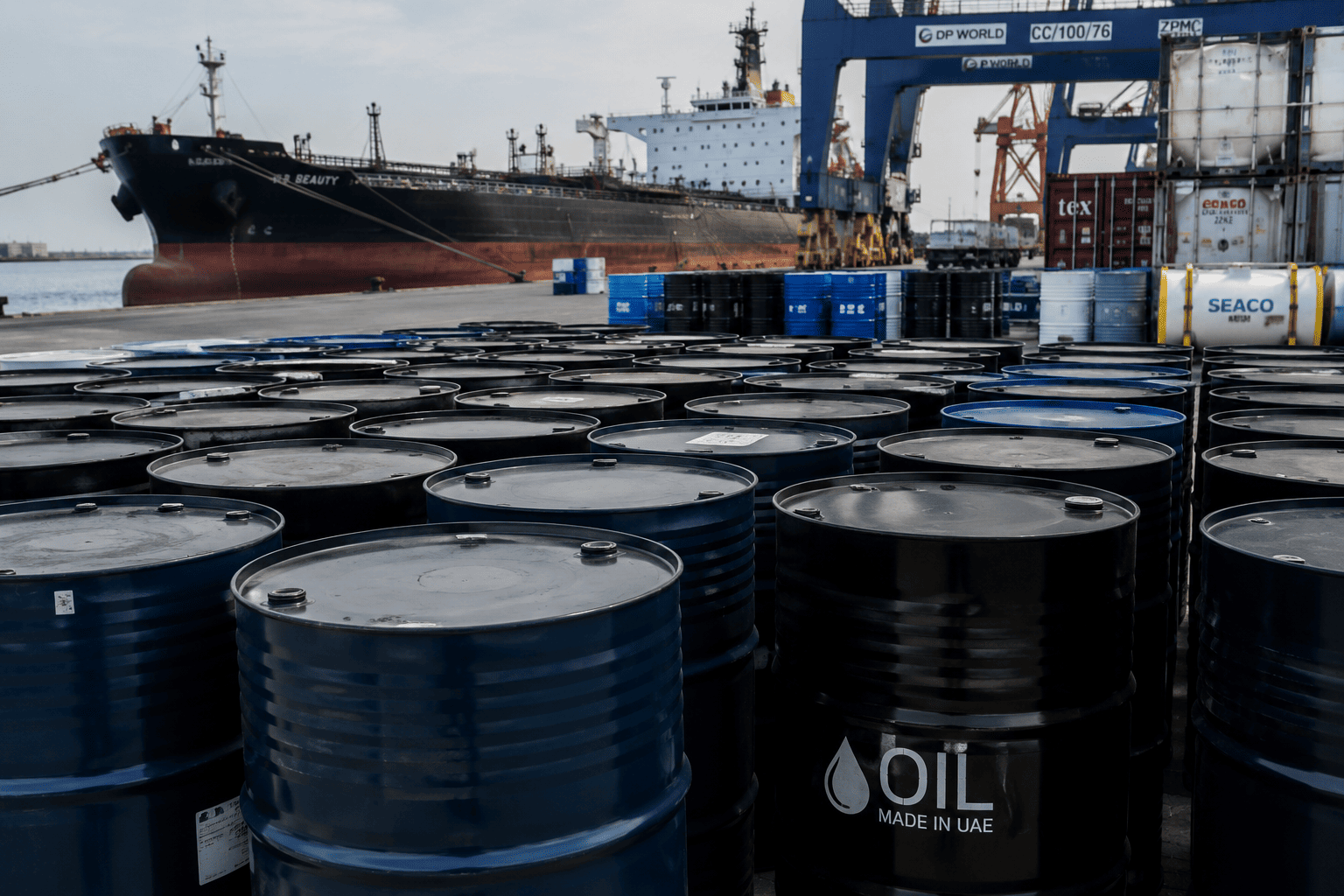
As shipping activity through the Strait of Hormuz gradually resumes, Gulf producers have ramped up output, adding to expectations of stronger near-term supply. Kuwait's crude production surged to 1.65 million barrels per day in June, up from 580,000 barrels per day in May. Meanwhile, at least five supertankers carrying around 10 million barrels of Saudi crude have exited the Strait, and Saudi Aramco has shifted to spot pricing to accelerate sales into Asia. PVM analyst Tamas Varga noted that a sustained recovery in crude prices is more likely once the oil currently stranded on tankers and in storage is absorbed by the market. Rory Johnston of the Commodity Context newsletter added that the recovery in Middle Eastern supply is outpacing initial expectations, while Chinese import demand remains weak.
Contango Signals Ample Supply
The recovery in supply has altered the structure of the oil futures market. Brent crude has moved into contango, with prompt contracts trading below later-dated contracts for the first time this year. The spread between front-month Brent and the six-month forward contract turned negative on July 1, reflecting expectations of ample supplies and softer near-term demand. ICIS global oil markets lead David Jorbenaze explained that newly released crude is chasing demand that has already been reduced and met, which is why the front of the curve is taking the hit. Analysts noted that contango could encourage traders to place crude into storage if the price difference becomes large enough to cover costs.
Weak US Jobs Data Lends Support
Weaker-than-expected US employment data provided some support to oil prices. June nonfarm payrolls increased by just 57,000, reducing expectations of additional Federal Reserve interest rate hikes and weakening the US dollar. A softer dollar typically supports dollar-denominated commodities such as crude oil. For more on how weak jobs data is impacting markets, see our analysis on Oil Edges Higher as Weak US Jobs Data Pressures Dollar and Gold Hits Late-June High as Weak Jobs Data Eases Fed Rate Hike Fears.
Commerzbank noted that current price weakness reflects expectations of future oversupply rather than evidence of an already oversupplied market. Upcoming forecasts from the US Energy Information Administration and future OPEC+ production decisions will remain key drivers for oil prices. For broader context on market dynamics, see our coverage of BP and Shell Shares Slide as Oil Prices Plunge on US-Iran Truce.
This article is for informational purposes only and does not constitute financial advice.