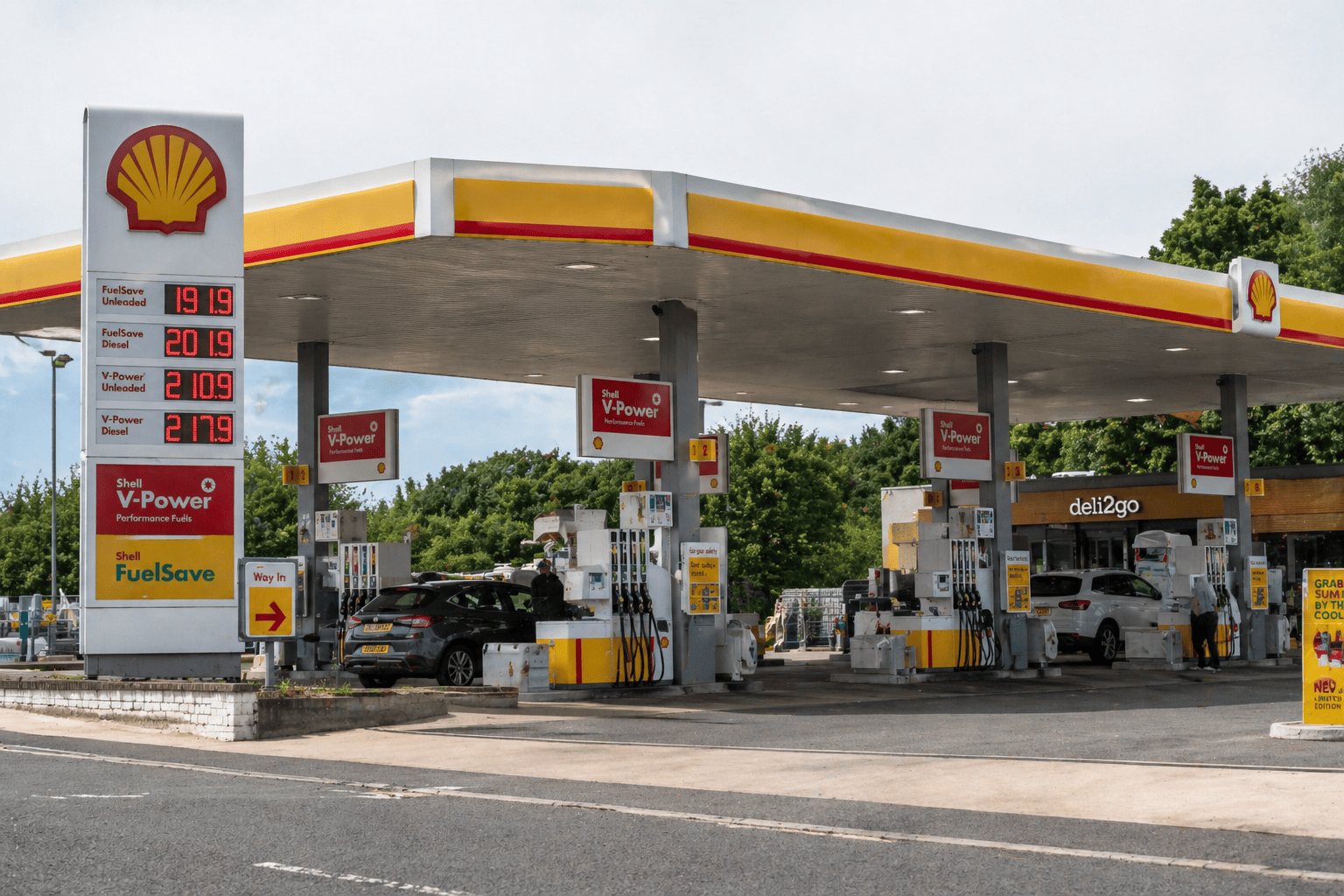
Shares of BP and Shell have extended their losses this week, hitting levels not seen since late February, as the energy sector reels from a steep drop in crude oil prices. BP's stock fell to 472p, marking a 22% decline from its 2026 peak, while Shell slipped to 2,900p, down from its year-to-date high of 3,592p. The sell-off has erased billions of dollars in market value from the two London-listed giants.
Oil Prices Collapse After US-Iran Deal
The primary catalyst for the downturn is the recent peace agreement between the United States and Iran, which ended a prolonged conflict that had previously sent oil prices soaring. Brent crude has fallen to $73 per barrel, and West Texas Intermediate (WTI) has dropped to $70, a sharp reversal from the highs above $126 seen during the war. Natural gas prices have also weakened as global supplies continue to rise.

The truce has reopened the Strait of Hormuz to normal shipping traffic, with dozens of tankers now transiting the key chokepoint and flooding global markets with crude. This supply surge comes at a time when Chinese demand has softened compared to pre-war levels, further pressuring prices.
Profitability Under Pressure
The falling energy prices are expected to weigh heavily on the earnings of BP and Shell in the coming quarters. During the conflict, both companies reported bumper profits, enabling them to boost dividends and share buybacks. BP posted a first-quarter profit of over $3.8 billion, swinging from a loss of $3.4 billion in the prior quarter, while Shell reported adjusted earnings of $6.9 billion and launched a $3 billion buyback program.
However, the current environment threatens that momentum. Analysts warn that if oil prices remain at current levels or decline further, cash flows will shrink, potentially forcing companies to scale back shareholder returns. The broader energy sector is also feeling the pain, with the SPDR Energy Select Sector ETF (XLE) dropping to $54 from a year-to-date high of $63, and US majors like ExxonMobil and Chevron also trending lower.
Geopolitical Risks Remain
Despite the recent truce, the energy market faces lingering risks. On Wednesday, Iran reported shooting down a tanker attempting to cross the Strait of Hormuz, highlighting the fragility of the ceasefire. There is also concern that Israel may seek to undermine the deal, potentially reigniting tensions and sending oil prices higher again.
For now, the prevailing trend is downward, and investors are closely watching for any signs of stabilization in crude prices. The FTSE 100 has also been under pressure, reflecting broader market caution amid hawkish rate expectations and political uncertainty.
Outlook for Energy Stocks
With oil supplies rising and demand from China moderating, the near-term outlook for BP and Shell remains challenging. The companies have taken steps to cut costs—BP recently sold its Gelsenkirchen refinery and announced a chairman replacement—but these measures may not fully offset the impact of lower commodity prices.
Investors should monitor upcoming earnings reports for signs of how management plans to navigate this downturn. While the peace deal has removed a significant geopolitical premium from oil prices, the potential for renewed conflict means the energy market could remain volatile.
This article is for informational purposes only and does not constitute financial advice.