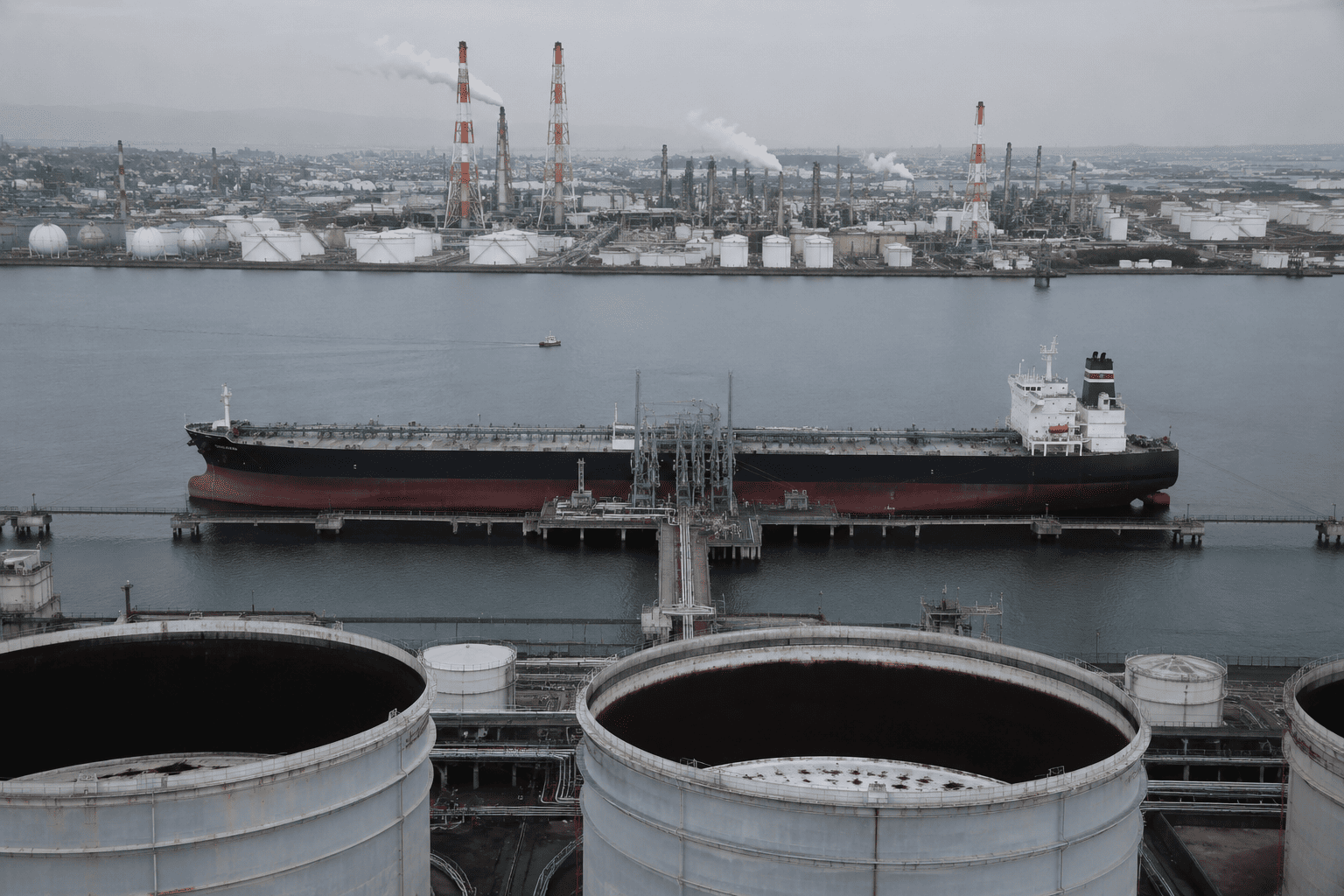
Oil prices extended their advance on Wednesday, with Brent crude futures climbing about 0.8% to $91.71 a barrel in Asian trading, while West Texas Intermediate (WTI) gained roughly 0.9% to $85.70. Both benchmarks were on track for a fourth consecutive daily gain, having settled at their highest levels in over three weeks on Tuesday.
The latest move reflects a market that is once again pricing in geopolitical risk rather than a sudden improvement in demand. Washington and Tehran continue to offer conflicting accounts of whether the Strait of Hormuz is fully open, while shipping activity through the waterway remains constrained.
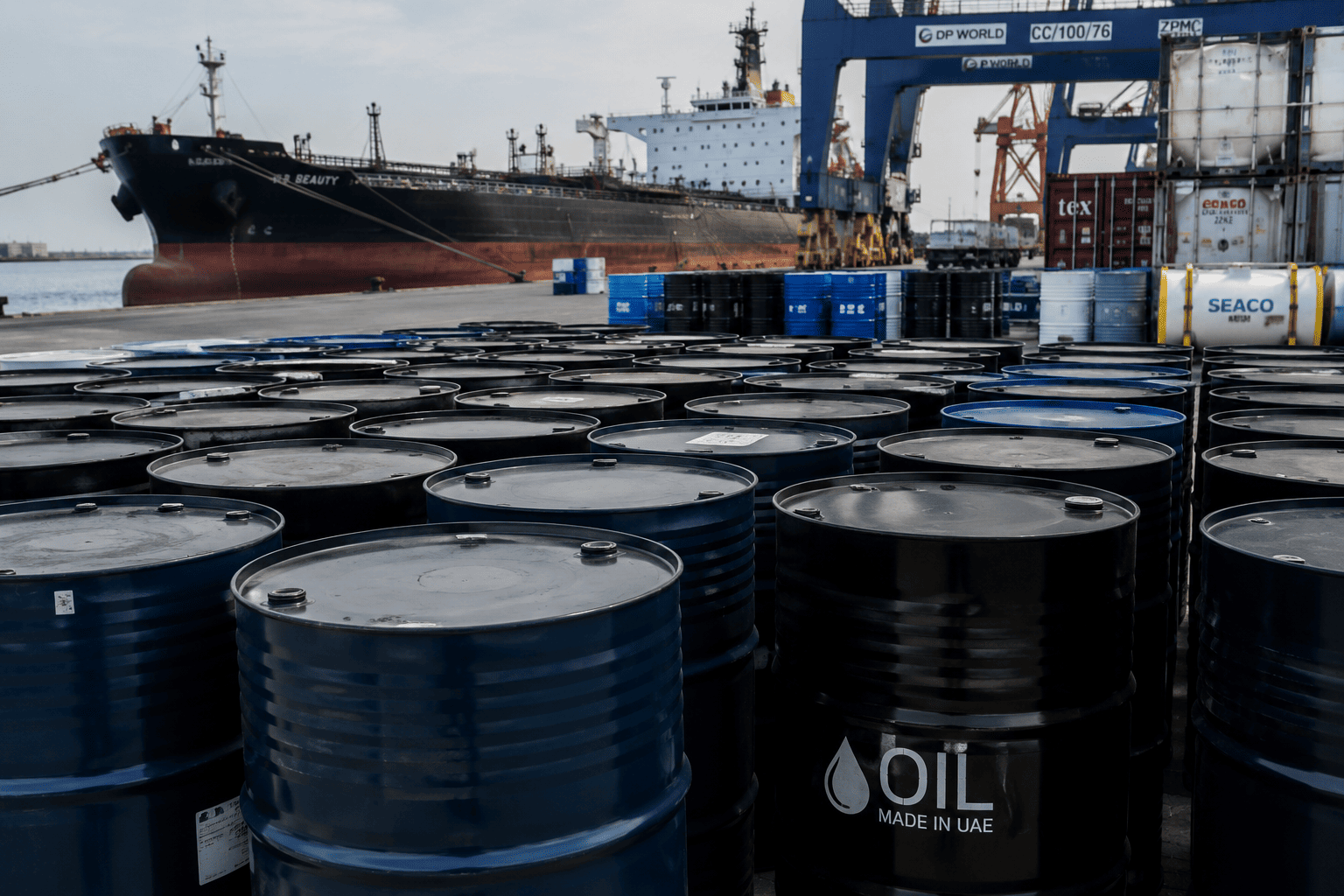
Hormuz risk returns to the oil market
President Donald Trump stated that the Strait of Hormuz is open and operating, even as Iran maintained that the waterway would remain restricted until the US meets its conditions. Ship traffic fell sharply last week, with confirmed crossings down 19.5% to 95, according to Kpler data reported by AP.
The security backdrop has also deteriorated. A projectile damaged a vessel in the strait near Oman this week, while the UAE reported two ballistic missiles launched from Iran towards its territory—an accusation Iran denied. Sparta Commodities analyst June Goh sees the renewed threats around both Hormuz and Bab el-Mandeb as supportive for crude in the near term, particularly while shipowners remain reluctant to use the region's key chokepoints.
Alternative routes may limit upside
The bullish case is not entirely one-way. Gulf producers are increasingly exploring ways to move barrels without relying on Hormuz, which could soften the impact of any prolonged disruption. Iraq has approved temporary mechanisms to export crude through alternative outlets from September, while some Chinese shipping companies have stopped sending tankers through Hormuz and Bab el-Mandeb, instead collecting cargoes outside the Gulf.
The Energy Information Administration (EIA) estimates that just 4.9 million barrels a day of crude and petroleum liquids moved through Hormuz in the second quarter, down from 21.6 million barrels a day before the conflict. It expects flows to remain severely constrained through August before recovering gradually.
That matters for the medium-term price outlook. The EIA expects Brent to average about $85 in the third quarter and $78 in the fourth as production restarts and inventories rebuild. For a broader perspective on how these dynamics are playing out, see our recent coverage on Brent's push toward $90 and the latest Hormuz reopening conditions.
Demand and inventories remain the counterweight
Beyond geopolitics, the oil market still faces a softer demand picture. OPEC now expects global consumption to grow by only 600,000 barrels a day in 2026, with almost all the increase coming from non-OECD economies. The International Energy Agency (IEA) is more cautious, projecting global oil demand to decline by about 1 million barrels a day this year before rebounding in 2027.
Its outlook makes any sustained recovery in Gulf exports an important potential brake on prices. US inventories are another near-term test. Industry data pointed to declines in crude and distillate stocks last week, while gasoline inventories increased. Official EIA figures are due later Wednesday.
For now, Brent above $91 and WTI near $86 show traders are still assigning a sizeable premium to supply disruption. Whether that premium lasts will depend less on technical momentum than on how quickly tankers can move through, or around, the Middle East's most important oil routes. As the situation evolves, investors are also watching the inflationary implications of higher crude and the market's reaction to Hormuz hopes.
This article is for informational purposes only and does not constitute financial advice.