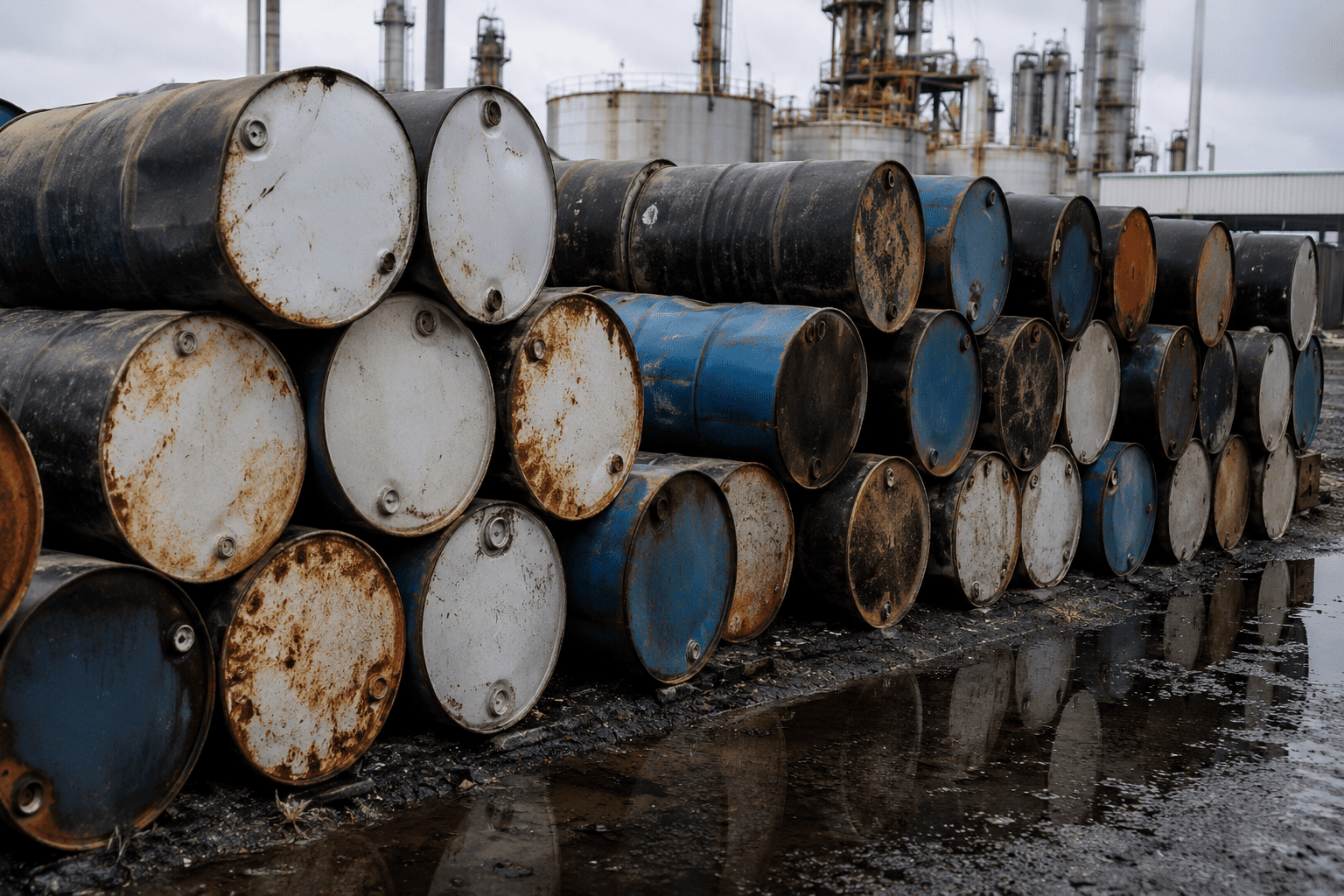
Global crude oil prices posted modest gains on Friday, buoyed by a softer US dollar after disappointing employment figures dampened expectations for near-term Federal Reserve rate hikes. However, easing geopolitical tensions in the Middle East kept the advance in check, leaving markets in a cautious stance.
Brent crude futures traded near $72.10 per barrel, while West Texas Intermediate (WTI) hovered around $68.83 per barrel. The recovery followed recent declines, as traders weighed the impact of a weaker dollar against ongoing diplomatic signals from the US and Iran.
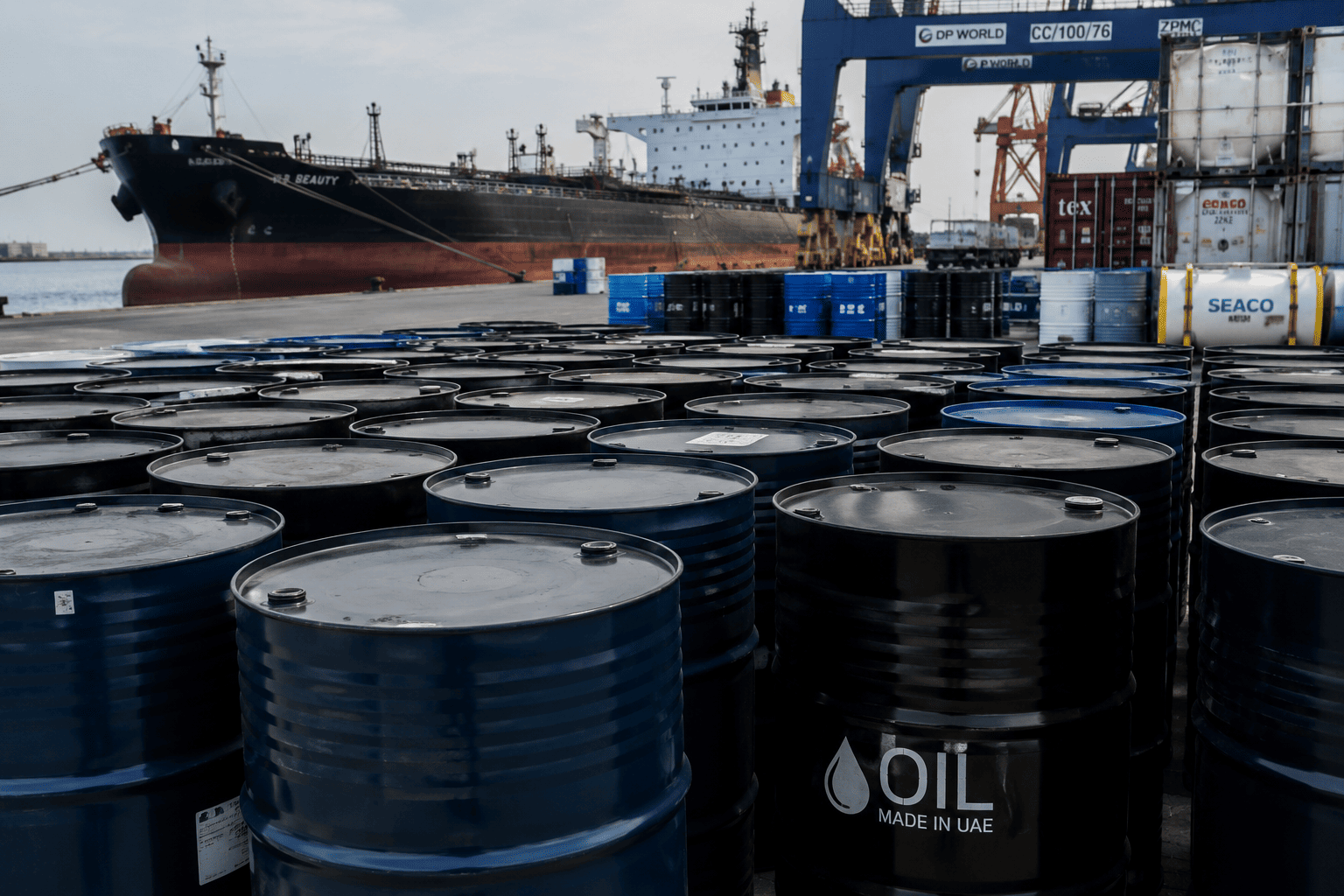
Weak US Jobs Data Weighs on Dollar, Supports Crude
The US Bureau of Labor Statistics reported on Thursday that Nonfarm Payrolls increased by only 57,000 in June, well below the market consensus of 110,000. The unemployment rate edged down to 4.2% from 4.3% in May. The softer-than-expected data reduced expectations of a near-term rate hike by the Federal Reserve, putting downward pressure on the US dollar.
A weaker dollar typically benefits commodities priced in the currency, making them cheaper for holders of other currencies. This dynamic provided a tailwind for crude oil, helping WTI recover part of its recent losses despite broader macroeconomic headwinds. The dollar's decline also supported other commodities, as seen in copper prices edging up amid similar dynamics.
Middle East Diplomacy Caps Gains
While the dollar-driven support lifted oil prices, investor sentiment remained tempered by ongoing diplomatic efforts between the United States and Iran. Talks in Doha, mediated by Qatar, showed "positive progress," according to Qatari officials, though no definitive breakthrough was announced. US President Donald Trump stated on Thursday that Iran "has accepted nearly everything we require," referencing discussions tied to the Memorandum of Understanding signed on June 17.
The diplomatic engagement eased some concerns over potential supply disruptions from the region, particularly regarding tanker traffic through the Strait of Hormuz. However, the lack of a concrete peace deal kept geopolitical risks elevated, with markets closely watching for any escalation that could reignite supply fears. For context, recent tensions had already impacted energy stocks, as seen in BP and Shell shares sliding on earlier truce news.
Crude Under Broader Pressure Despite Recovery
Despite Friday's uptick, crude oil prices remained under broader pressure. Tanker traffic through the Strait of Hormuz continued to normalize, reducing immediate fears of supply disruptions. Meanwhile, ongoing US-Iran diplomacy added to expectations that supply risks could remain contained in the near term.
Brent crude was on track for its fourth consecutive weekly decline, which would mark its longest losing streak since August 2024. The benchmark's persistent weakness reflects a market caught between supportive macroeconomic factors—like a weaker dollar—and lingering uncertainty over geopolitical developments. Similarly, other commodities have faced headwinds from a strong dollar and hawkish Fed expectations, as highlighted by silver plunging to six-month lows.
Outlook: Data and Diplomacy in Focus
For now, crude oil markets remain in a tug-of-war between support from a weaker dollar and the cap imposed by easing geopolitical tensions. Investors are expected to continue tracking macroeconomic data, particularly employment and inflation figures, alongside diplomatic negotiations for further direction. The interplay between these factors will likely determine whether oil can sustain its recovery or faces renewed downside pressure.
This article is for informational purposes only and does not constitute financial advice.