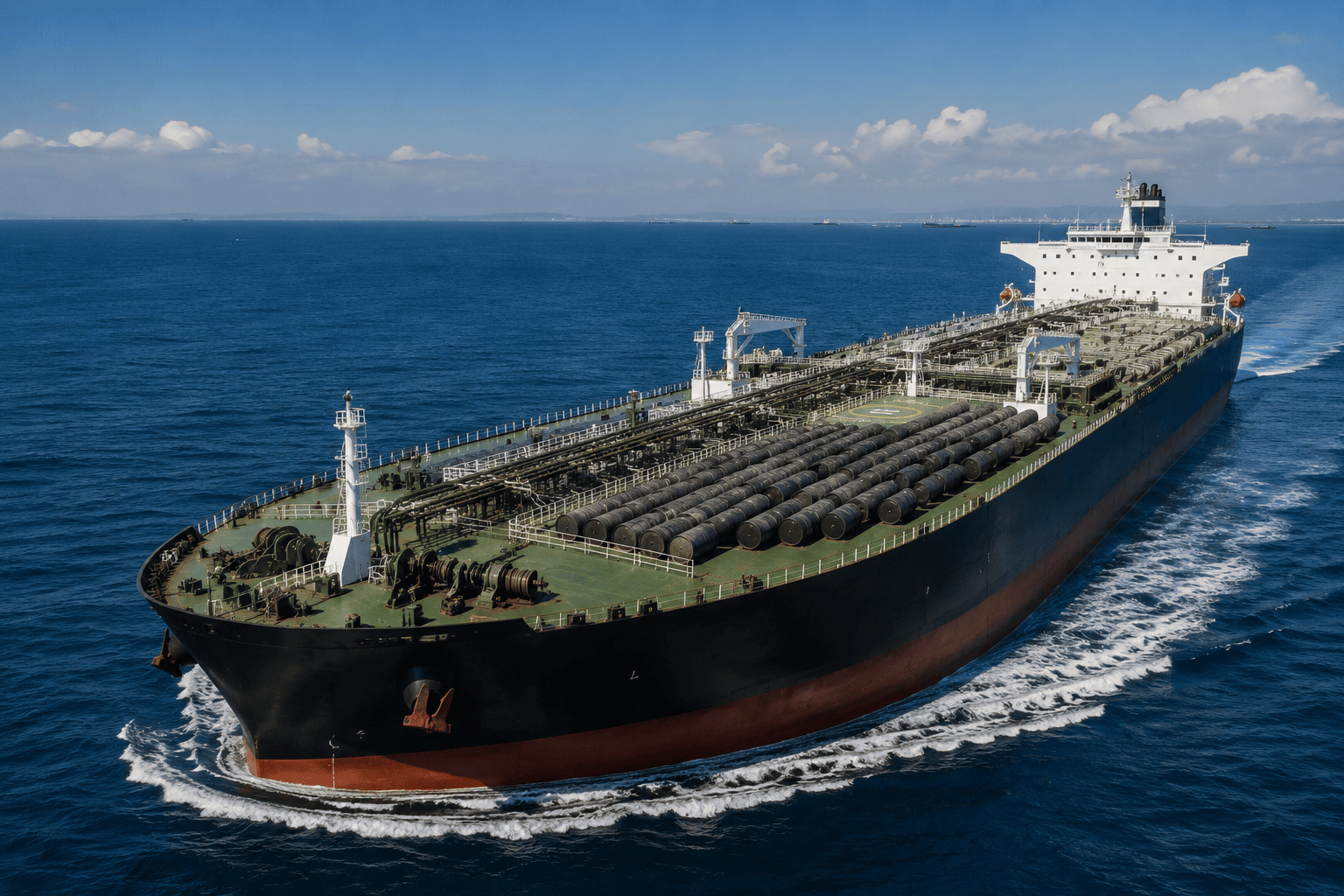
Global oil markets are navigating a precarious balance as the prolonged conflict in the Middle East continues to disrupt supply chains and deplete inventories. Despite a brief retreat in prices following a temporary halt in hostilities between Iran and Israel, the underlying risks remain elevated, with analysts cautioning that the situation could deteriorate further.
Volatile Prices Amid Fragile Diplomacy
Brent crude briefly surged above $100 per barrel early in the week but quickly retreated, reflecting the market's sensitivity to geopolitical developments. Prices fell sharply on Tuesday after both Iran and Israel announced a cessation of attacks, yet the broader outlook remains tense. Commodity analyst Carsten Fritsch of Commerzbank AG warned in a research note that “things are going to get worse” if the war continues to disrupt supply routes and inventories. He noted that hopes for a swift resolution to reopen the Strait of Hormuz have suffered a severe setback.
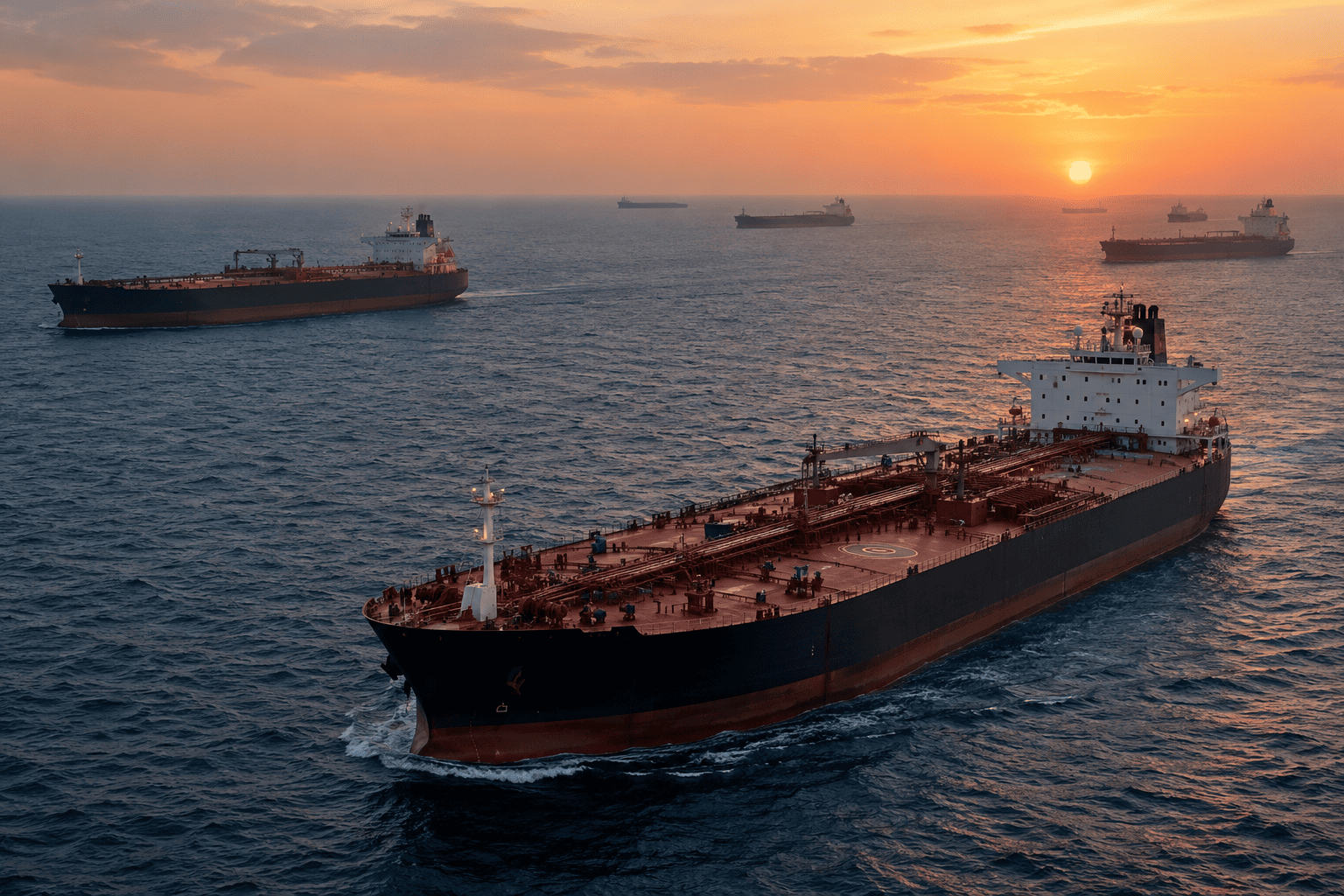
Houthi rebels, allied with Iran, have threatened to impose a blockade on Israeli ships in the Red Sea, raising concerns about potential disruptions to Saudi shipments from Yanbu. In the past, the Houthis have attacked tankers passing through the Bab al-Mandab Strait, a critical chokepoint at the southern tip of the Red Sea. Meanwhile, Iran is insisting that Lebanon's future be part of any peace deal, complicating US-led mediation efforts. President Donald Trump has expressed confidence that Israel will agree to a deal, but Israeli actions taken without US coordination have cast doubt on that optimism.
US Exports Surge, but at a Cost
To offset supply disruptions from the Gulf, the United States has ramped up crude exports to record levels. Data from Kpler shows US seaborne crude exports hit 5.6 million barrels per day in May, with weekly shipments peaking at 6.3 million. More than 2.5 million barrels per day went to Japan and nearly the same volume to Europe. However, much of this surge came not from new production but from drawing down commercial and strategic reserves. Since late March, US crude inventories have fallen by 86 million barrels, including 58 million from the Strategic Petroleum Reserve.
This strategy is reaching its limits. US crude stocks are now 3.5% below the five-year average, gasoline inventories are 5% lower than usual, and middle distillate stocks are at their lowest in 23 years. Fritsch warned that “it is therefore questionable whether the US can continue to export this much oil without risking local shortages in the summer or, at the latest, in the fall.” He added that any resulting price increases would be politically inconvenient ahead of November’s midterm elections and could force Washington to impose export restrictions.
Rerouting Supplies and Weakening Asian Demand
Saudi Arabia has increased use of its East-West Pipeline to Yanbu, which can handle 7 million barrels per day, though the port’s export capacity limits flows to 5 million. The United Arab Emirates has also boosted shipments via its pipeline to Fujairah on the Gulf of Oman, capable of 1.8 million barrels per day. Together, these routes have rerouted about 4 million barrels per day since the Strait of Hormuz was closed.
At the same time, demand in Asia has softened. Kpler estimates refinery demand in the region is 2.7 million barrels per day lower than in March, driven largely by China. Customs data shows Chinese imports fell to an eight-and-a-half-year low of 7.8 million barrels per day in May, down 4 million from March. Independent refiners have cut processing volumes as margins shrank, exacerbated by restrictions on product exports since April. Saudi shipments from Yanbu fell nearly 10% in May, largely due to weaker Chinese demand. Riyadh raised official selling prices for Asia in May, then cut them in June and July, signaling a slowdown in consumption.
Outlook: Heightened Volatility Ahead
The oil market has shown resilience by rerouting supplies and tapping reserves, but the underlying risks are mounting. With inventories thinning, Asian demand weakening, and Middle East diplomacy faltering, traders face a summer of heightened volatility. Brent remains below $100 for now, but analysts caution that prices could spike if disruptions intensify or if US exports are curtailed. As Fritsch concluded, the market should not be complacent.
For more on related market dynamics, see Oil Retreats From Highs as Traders Weigh US-Iran Conflict Risks and Trump Proposes 20% Cargo Fee on Strait of Hormuz as US-Iran Conflict Escalates.
This article is for informational purposes only and does not constitute financial advice.