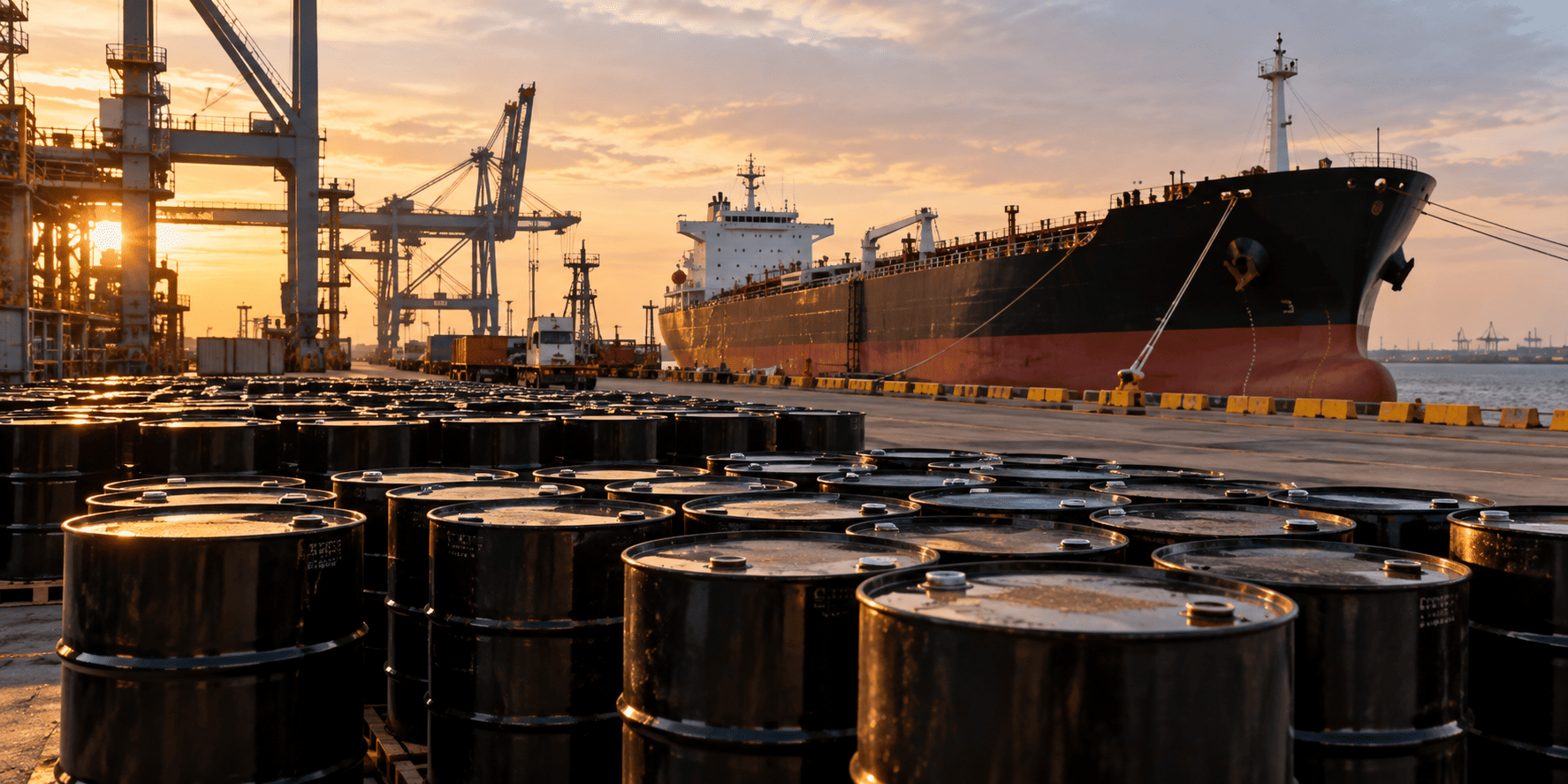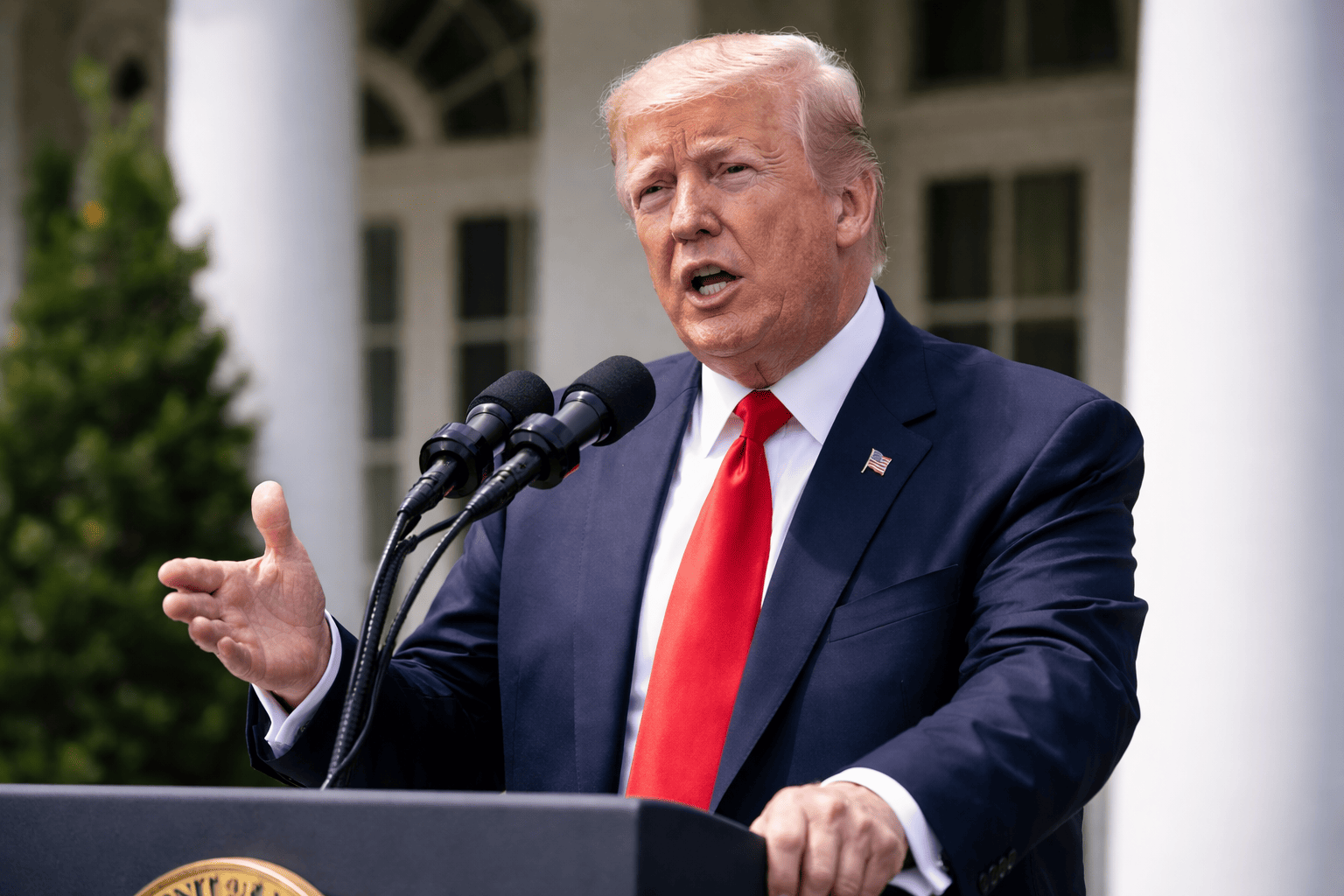
President Donald Trump announced on Monday that the United States will reinstate a naval blockade of Iranian vessels and impose a 20% fee on all cargo passing through the Strait of Hormuz, significantly escalating Washington's response to renewed hostilities with Iran. The move comes after a week of military exchanges between the two nations, including additional US strikes on Iranian targets earlier in the day.
US to Act as 'Guardian' of the Strait
Trump stated that the US would serve as the "guardian" of the strategically vital waterway, ensuring its openness while seeking reimbursement for security costs. In a post on Truth Social, he declared, "The Hormuz Strait is OPEN, and will remain OPEN, with or without Iran. We are reinstating THE IRANIAN BLOCKADE, so named because it is only stopping Iran’s ships or customers from entering or leaving." He added that the US would charge a 20% fee on all cargo shipped through the strait to cover the costs of providing safety and security.
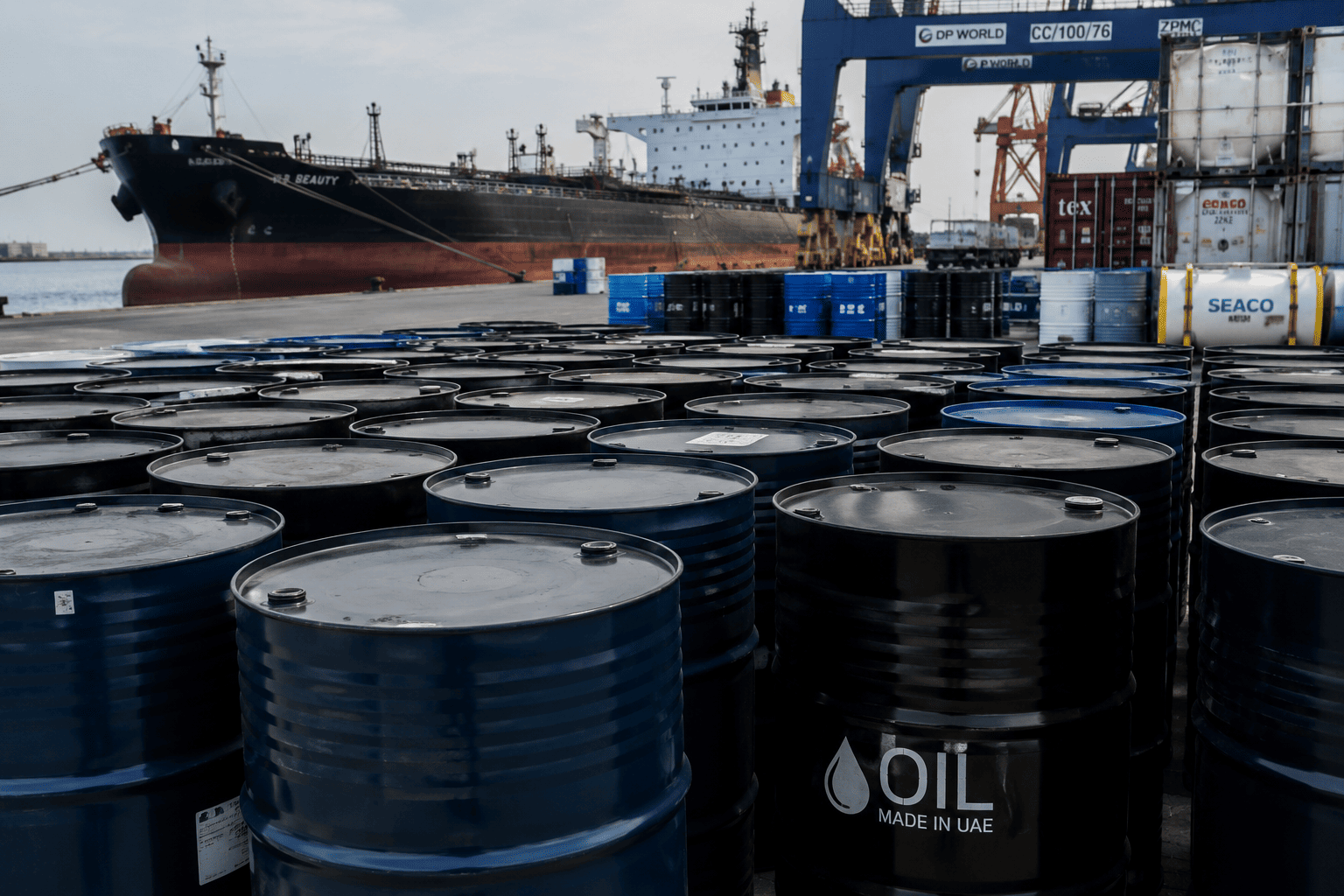
The White House has not yet provided details on how the fee will be administered or enforced, though Trump indicated implementation would begin immediately.
Ceasefire Collapses Amid Renewed Fighting
The announcement follows a weekend of US-Iran attacks that have further undermined a June ceasefire agreement aimed at reopening the Strait of Hormuz and facilitating negotiations over Iran's nuclear program. Trump reiterated on Monday that the US would continue military operations against Iran, telling Fox News, "We’re taking over the strait. We’re just going to hit them very hard, and we’re going to keep the strait, and we’ll probably run it."
Iran swiftly rejected the proposal. A spokesperson for the Khatam al-Anbiya Central Headquarters stated that Tehran would not permit US interference in managing the strait, warning that Iranian armed forces would "forcefully confront any disruption or insecurity in the passage of commercial vessels and oil tankers" by the US military. Iran also cautioned neighboring countries against providing logistical support to US operations, labeling such cooperation an act of war.
US Central Command reported conducting two rounds of strikes on Sunday targeting Iranian air-defense systems, missile and drone sites, and other military infrastructure, following accusations that Iran attacked commercial shipping and launched missiles and drones.
Oil Prices Surge, Markets React
Financial markets responded swiftly to the escalating tensions and Trump's proposal. Brent crude briefly surged 5% to nearly $80 a barrel before paring gains, while US benchmark West Texas Intermediate also advanced around 5%. Equity markets weakened, with the Nasdaq 100 and S&P 500 declining as investors weighed the implications of higher energy prices and rising geopolitical risk.
The Strait of Hormuz typically handles about one-fifth of global oil shipments, making any disruption a major concern for energy markets. Shipping activity through the waterway remained subdued, with very few vessels transiting the US-administered route near Oman's coastline with GPS signals active, according to a Financial Times report. Several ships reportedly turned back after approaching the strait, and analysts noted that only a limited number of vessels crossed without broadcasting their locations.
For more on the market impact, see Oil Surges 4% as US-Iran Strikes Intensify, Strait of Hormuz Traffic Slows and Asian Markets Tumble as Oil Surge on Strait Tensions Hits Chip Stocks and Bonds.
Legal and Logistical Questions
Trump's proposal raises legal questions under international law, which generally grants ships the right of transit passage through international waterways, though fees may be charged for certain services provided to individual vessels. The lack of detail on enforcement and administration adds uncertainty for shippers and traders.
As the situation develops, investors are closely monitoring the Strait of Hormuz for any further disruptions that could impact global energy supplies and financial markets. For ongoing coverage, see Brent Crude on Track for 6% Weekly Gain as Hormuz Disruptions Keep Supply Risk Elevated.
This article is for informational purposes only and does not constitute financial advice.