The Kospi Index has staged a notable recovery over the past few weeks, climbing roughly 31% from its lowest point this month. The rebound has been fueled by a resurgence in memory chip stocks, particularly Samsung Electronics and SK Hynix, as well as a pause in the US-Iran conflict. As of the latest session, the index sits near 6,977, its highest level since late July.
Memory stocks lead the charge
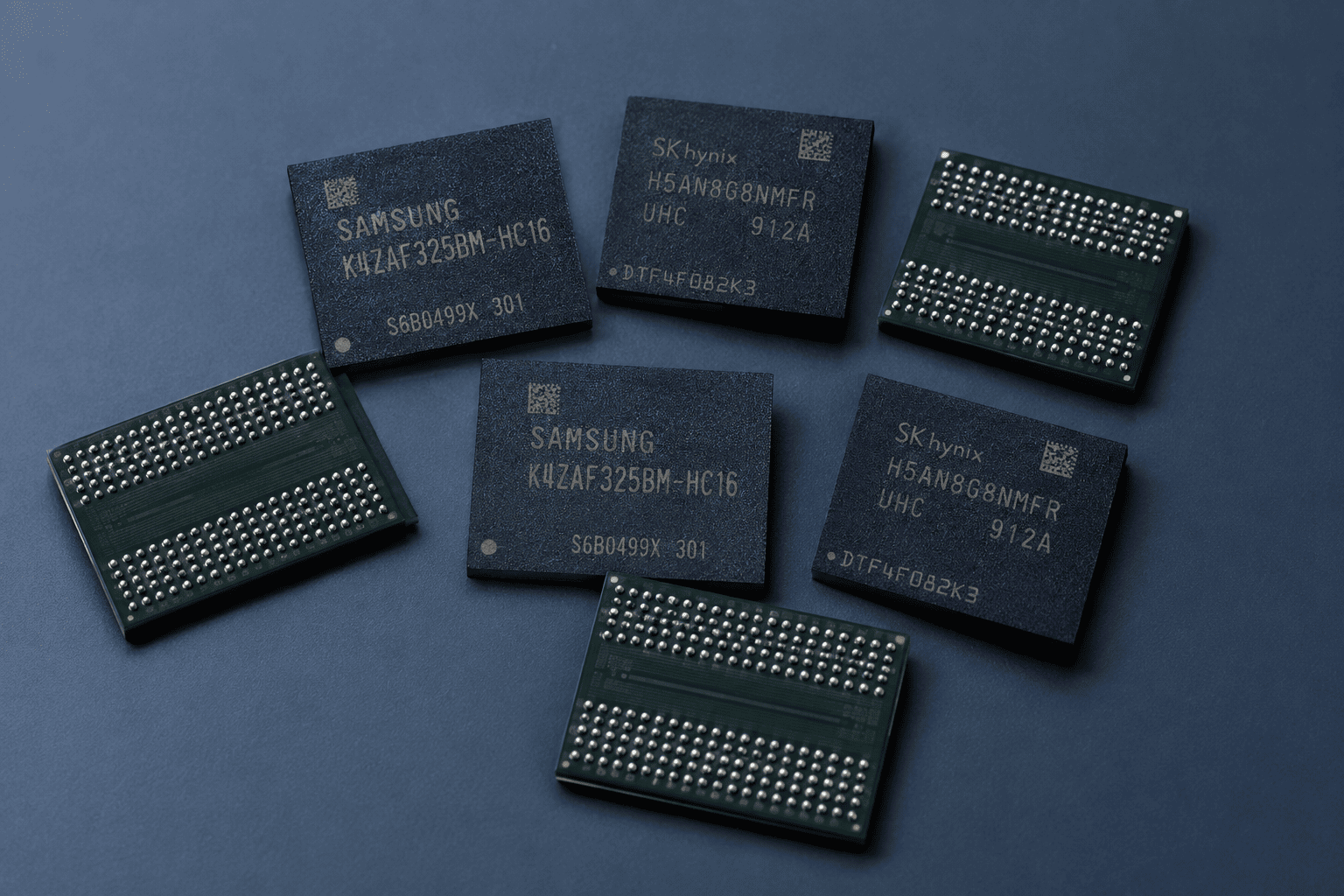
Samsung Electronics has surged about 45% from its July trough, reaching levels not seen in over a month. SK Hynix has also posted double-digit gains during the same period. Together, these two heavyweights account for more than half of the Kospi's weighting, making their performance pivotal for the broader index.

The rally extends beyond South Korea. US memory makers like Micron, SanDisk, and Western Digital have all advanced following robust earnings reports. Unlike previous cycles, many of these companies have secured long-term supply agreements with major cloud and tech firms, including Google, Meta, Amazon, and Microsoft. These deals, which include price floors and ceilings, are designed to mitigate the notorious cyclicality of the memory industry—a sharp contrast to the 2023 downturn when revenues collapsed.
Analysts point to sustained capital expenditure from these hyperscalers, with combined spending plans exceeding $750 billion this year, as a key driver of demand. This has bolstered confidence that the current upswing may have more legs.
Geopolitical tailwinds and oil prices
The Kospi's recovery also coincides with a de-escalation in the Middle East. The US and Iran have not exchanged attacks in over two weeks, with reports suggesting US weapon stockpiles are running low. As a result, Brent and West Texas Intermediate crude have slipped below $90 a barrel. Lower oil prices are particularly beneficial for South Korea, which imports most of its crude from the region.
However, the situation remains fragile. No formal ceasefire has been signed, and the US is reportedly leaning toward additional sanctions. Moreover, President Donald Trump has asked Defense Secretary Pete Hegseth to reduce military exercises with South Korea, citing his relationship with Kim Jong Un and Seoul's refusal to join the US campaign against Iran. These developments introduce uncertainty that could weigh on investor sentiment.
Technical outlook and risks
From a technical standpoint, the Kospi has broken above the upper boundary of a descending channel, a bullish signal. The Relative Strength Index has also moved above the neutral 50 level, indicating improving momentum. If the rally persists, the index could target the key resistance at 8,000.
Yet, some analysts caution that the rebound might be a dead-cat bounce—a temporary recovery within a longer-term downtrend. Societe Generale, however, remains constructive, citing sustained memory chip demand. Foreign investors have been net buyers, injecting $4.7 billion into Kospi-listed stocks.
Investors should also monitor the broader tech landscape. For instance, SanDisk's rebound case and earlier Kospi rallies highlight the ongoing AI-driven demand, but capex risks remain. Additionally, the debate over Korea's chip sell-off underscores the uncertainty.
In the near term, the index appears poised to test higher levels, but the sustainability of the rally hinges on continued memory demand and geopolitical stability. A reversal in either could quickly erase gains.
This article is for informational purposes only and does not constitute financial advice.