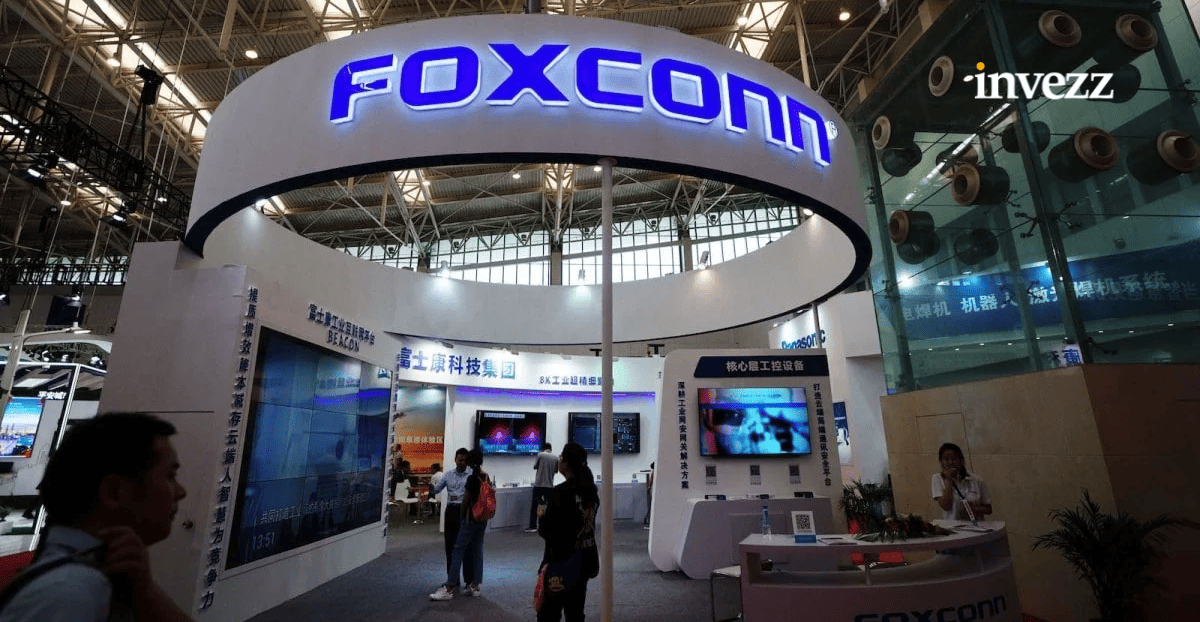
Foxconn, the world's largest electronics manufacturer, reported a 34% year-over-year increase in third-quarter net profit, reaching NT$77.5 billion ($2.35 billion), surpassing the NT$69.6 billion consensus estimate from analysts polled by LSEG. Revenue surged 47% to approximately NT$3.03 trillion, underscoring the company's accelerating shift toward artificial intelligence infrastructure.
The results highlight a fundamental transformation at the Taiwanese giant, which remains Apple's primary iPhone assembler but now derives a larger share of its revenue from AI servers and networking equipment. In the second quarter, the cloud and networking division accounted for 51% of group revenue, compared with 29% for smart consumer electronics, which includes smartphones. These figures reflect the April–June period, not the newly reported quarter, and the cloud division encompasses products beyond Nvidia-based servers.

Foxconn assembles AI racks and networking systems for major cloud providers, integrating processors, cooling systems, and power management components. This deep vertical integration, combined with a global manufacturing footprint, provides a competitive edge as server complexity rises and customers demand localized production, according to Bloomberg Intelligence analysts Steven Tseng and Rebecca Wang. They project Foxconn could sustain annual revenue and earnings growth of 25% to 35% over the coming years.
While Apple remains commercially important, investors increasingly evaluate Foxconn as an AI infrastructure supplier rather than a mere smartphone contractor. The company's earnings beat estimates by about 11%, but the divergence between revenue growth (47%) and profit growth (34%) raises questions about margin dynamics. Based on reported figures, net margin slipped to approximately 2.6% from 2.8% a year earlier.
An emerging shift in customer contracts complicates comparisons. Under consignment arrangements, clients supply expensive chips while Foxconn recognizes only the value of its own manufacturing work. Vincent Fernando of Zero One Investment Research noted that a significant shift could push November and December revenue below October levels without any loss of volume or profit.
Looking ahead, Foxconn faces the challenge of defending its market share as more manufacturers pursue lucrative AI server contracts. October revenue reached a record NT$1.31 trillion, up nearly 46% year-over-year. The company expects strong AI demand to persist into 2027 and forecasts high double-digit growth in AI rack shipments next year.
JPMorgan projected in September that AI server revenue could rise about 130% this year and 70% in 2027, according to research carried by Hilo Research. That forecast predates Thursday's results. Meanwhile, Morgan Stanley has warned that Foxconn's share of high-end AI racks could decline as competitors expand capacity, even if overall demand grows.
New manufacturing investments in the United States, Mexico, and elsewhere could strengthen relationships with customers seeking local production, but also require significant capital. The company's strategic pivot toward AI infrastructure is reshaping its financial profile and investor perception, with the potential for sustained growth but also heightened competition and margin pressure.
This article is for informational purposes only and does not constitute financial advice.