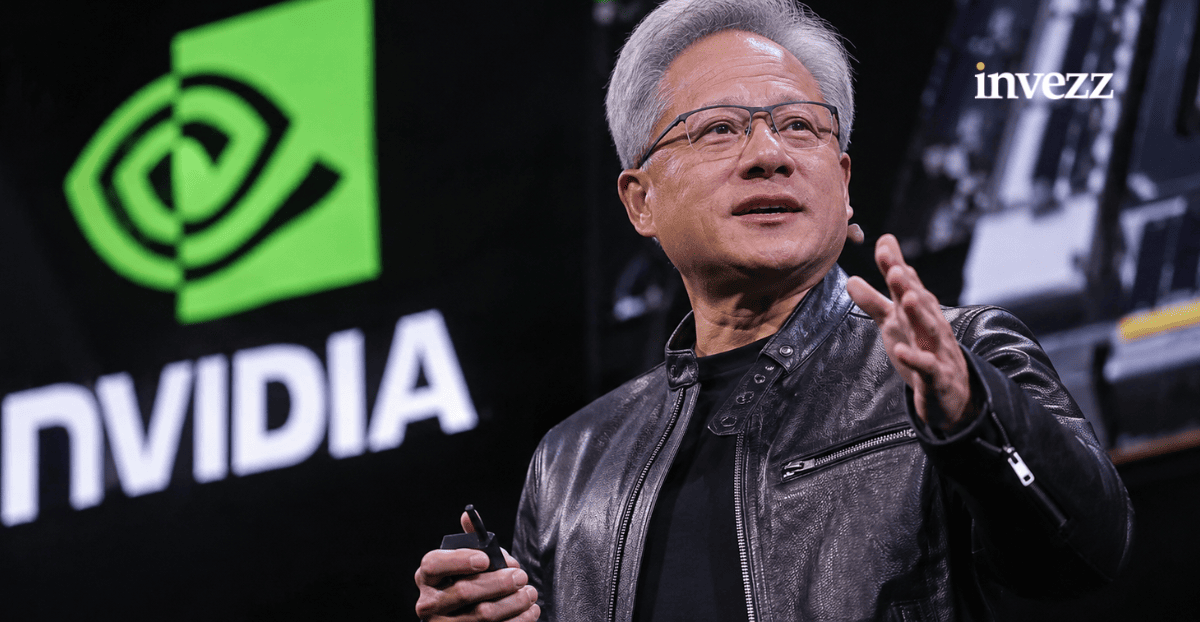
Nvidia's shares have been under significant pressure recently, with the stock losing more than a quarter of its value over the past month. The decline has been driven by a combination of factors, including heightened scrutiny of CEO Jensen Huang's personal relationships and growing concerns about the sustainability of the artificial intelligence boom.
The stock fell more than 5% on Tuesday, following a 4% drop on Monday, and had previously declined over 9% last Thursday. This sharp selloff has prompted investors to question whether the current weakness represents a buying opportunity or a sign of deeper problems.

Michael Burry's Perspective
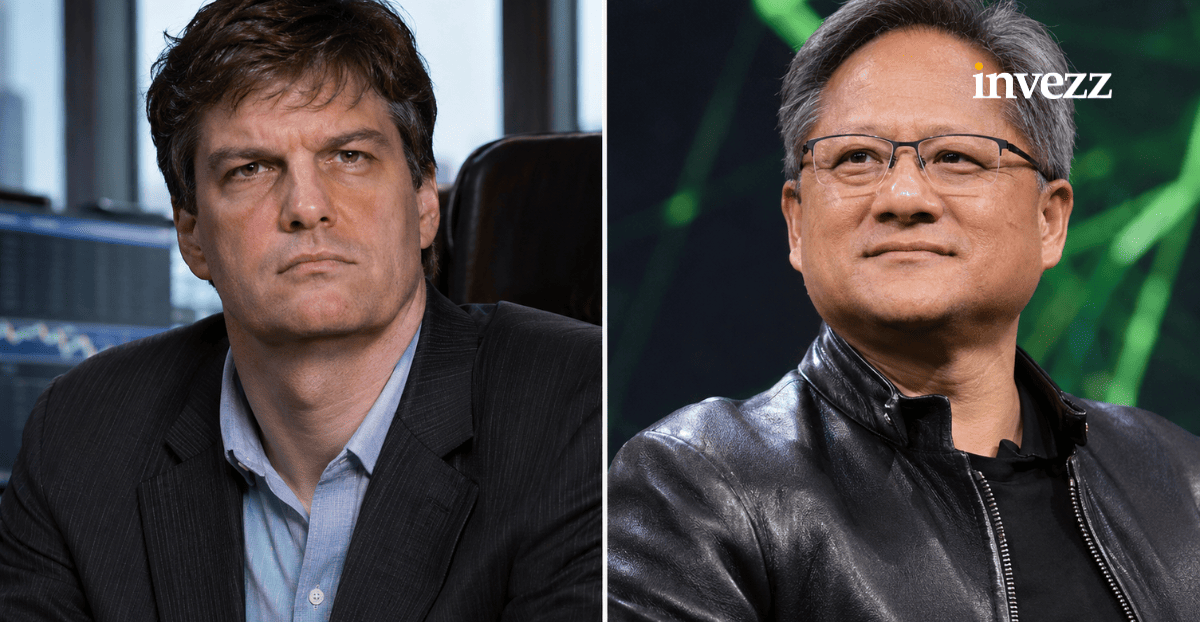
Michael Burry, the investor known for predicting the 2008 financial crisis, has weighed in on the situation. In a recent statement, Burry indicated that while Nvidia could become an attractive trade in the near term, he remains unconvinced about its long-term investment potential.
"I am not tempted as a long-term hold from here, but I imagine the whole market is going to think this is a heck of a trade fairly soon," Burry said. His primary concern lies in the durability of Nvidia's competitive advantage over the next five years, which he believes will shrink. He also warned that increased scrutiny of Nvidia's China chip trade and its broader AI dealings could accelerate this erosion.
Burry has been a vocal skeptic of the AI trade, often comparing the current boom to historical market crashes like the dot-com bubble. He had been shorting Nvidia shares until September, when he exited some of his put options.
CEO Scrutiny and Investigation
The latest pressure on Nvidia comes amid reports about Huang's relationship with a Chinese businesswoman suspected of working for Beijing. The New York Times reported last month that Huang had a relationship with Alice Huang, a former executive at Singapore-based Megaspeed. US authorities believe Alice is a Chinese agent involved in transferring information to Beijing.
Huang acknowledged his infidelity to his wife in a message to Nvidia employees on November 8, though he did not identify the woman. Meanwhile, Nvidia's board has launched an independent investigation into whether Huang was targeted by a foreign intelligence effort. The board has stated it has no reason to believe company secrets or US national security were compromised, and Huang remains CEO, cooperating with the investigation.
US President Donald Trump has expressed confidence in Huang and has even indicated willingness to bring him to China for next week's APEC summit. However, Huang has been summoned by three House Republican committee chairmen to appear for a joint, closed-door congressional briefing on November 18, 2026. Nvidia is scheduled to report its third-quarter earnings on November 17.
Wall Street Reactions
Wall Street analysts have shown a limited reaction to the latest disclosures, with the average price target for Nvidia shares standing at around $332, according to FactSet. However, Citi analyst Atif Malik lowered his price target to $285 from $315, citing lower valuations across chip stocks and the investigation involving Nvidia's CEO. Malik noted that "long-term leadership stability risk is among key investor concerns."
In contrast, APAC Research upgraded Nvidia to Buy, describing the investigation as more of a public-relations and damage-control exercise than evidence that Huang had been compromised. The firm said it would be surprised if the stock did not rebound, while acknowledging the uncertainty surrounding the situation.
As investors weigh the recent selloff, the debate between short-term trading opportunities and long-term fundamentals remains central. The upcoming earnings report and the outcome of the congressional briefing could provide further clarity on Nvidia's trajectory.
This article is for informational purposes only and does not constitute financial advice.