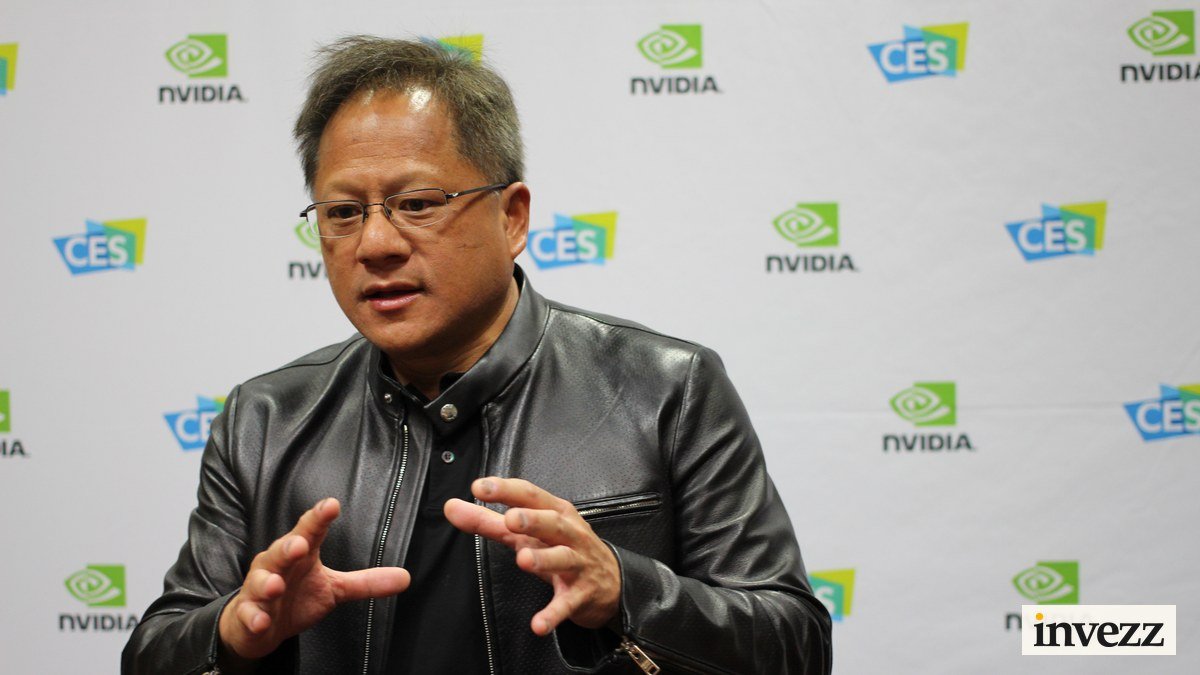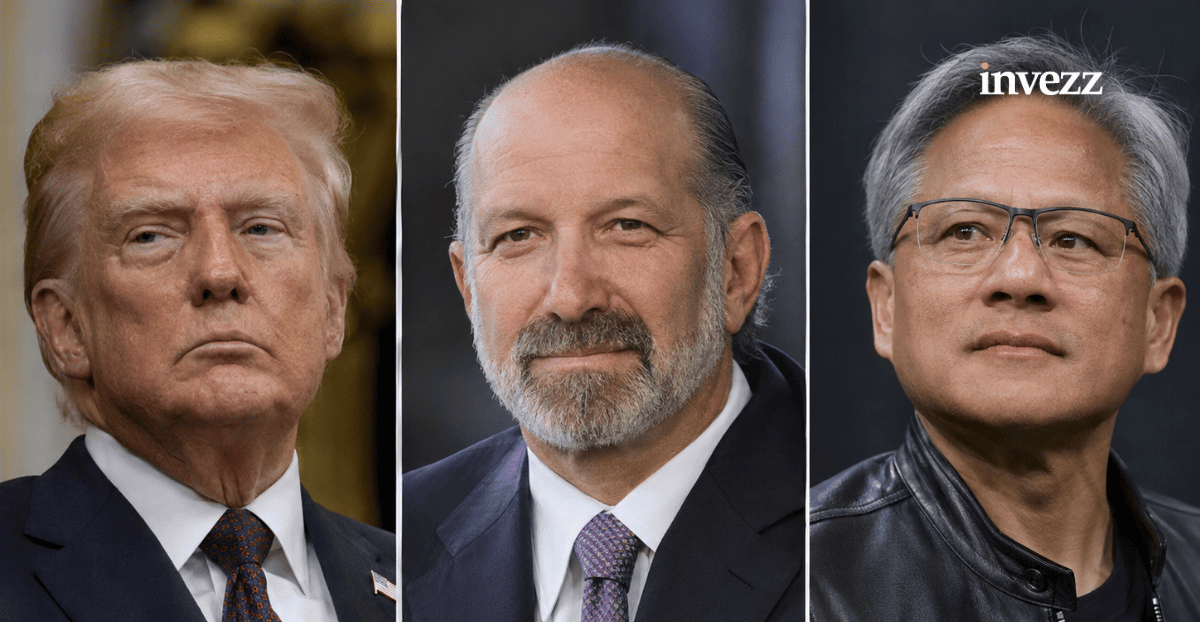
The controversy surrounding Nvidia CEO Jensen Huang's alleged relationship with a Chinese business executive has sent shockwaves through Washington, exposing a critical blind spot in the United States' handling of national security and sensitive technology exports. The fallout is now threatening the position of Commerce Secretary Howard Lutnick and raising questions about the Trump administration's reliance on powerful tech executives.
Senior White House officials are reportedly discussing whether to push Lutnick out amid growing criticism over the administration's failure to blacklist several Chinese companies and its oversight of Nvidia's chip exports to China. The scrutiny centers on the Commerce Department's handling of Megaspeed International, a Singapore-based company suspected of helping Chinese clients circumvent US export restrictions.

Alice Huang, the woman at the center of the scandal, worked as a senior executive at Megaspeed and is suspected of being a Chinese spy. Reports allege that her relationship with Jensen Huang facilitated at least $7.5 billion in Nvidia chip shipments to China, raising serious concerns about the effectiveness of US export controls.
Treasury Secretary Scott Bessent reportedly confronted Lutnick last week over the Commerce Department's inaction, demanding to know why the United States had not already prohibited sales of advanced AI chips to Megaspeed. The confrontation highlights a growing rift within the administration over how to handle China's access to cutting-edge technology.
The criticism comes amid a prolonged pause in the US government's efforts to expand its trade blacklist of Chinese companies. The United States has not announced any additions to the list since October 2025, marking the longest gap between new postings in more than a decade. Reuters reported that the Commerce Department had held off adding China's AI startup DeepSeek, memory chipmaker CXMT, and more than 100 other companies flagged as national security risks.
Chris McGuire, a senior fellow at the Council on Foreign Relations who served in both the Trump and Biden administrations, described the handling of the matter as a "failure on multiple levels." He said, "The Department of Commerce has effectively outsourced export control enforcement to the private sector, which is favoring short-term business interests over long-term US national security." McGuire added, "If the Department of Commerce is not willing to cut off organizations that are known to be working with Chinese intelligence services from the most advanced chips, it's not clear why it is bothering to administer any export controls at all."
President Trump has also been drawn into the controversy. The New York Times reported that Trump was briefed about the intelligence concerning Huang's relationship with Alice Huang while aboard Air Force One in May, shortly before the Nvidia CEO joined the president's trip to Beijing. Secretary of State Marco Rubio reportedly delivered the briefing, marking at least the second time in seven months that Trump had been informed about the matter.
The account contradicts Trump's public assertion on Monday that he had not known about Huang's relationship when he traveled to China for a summit with President Xi Jinping. Senate Minority Leader Charles Schumer criticized the president on Tuesday, saying reports that Trump had been briefed more than a year earlier raised serious questions about his handling of the matter.
The scandal has also raised concerns about the growing dependence of Washington on powerful technology executives, which experts warn could undermine US national security. The Commerce Department's inaction on Megaspeed, despite multiple warnings, has prompted calls for a more rigorous approach to export control enforcement.
This article is for informational purposes only and does not constitute financial advice.