Alibaba Group Holding Ltd. (NYSE: BABA) investors are closely monitoring the escalating controversy surrounding Nvidia Corp., but the full scope of the risk may be underestimated. What appears to be a corporate governance issue at the world's leading AI chipmaker is rapidly evolving into a geopolitical flashpoint with direct implications for Chinese cloud computing, artificial intelligence development, and access to advanced semiconductor infrastructure.
As Washington debates stricter controls on AI-related technology flows, Alibaba's stock could find itself directly exposed to the fallout. The immediate concern for investors is not Nvidia's leadership situation per se, but the possibility that the controversy accelerates bipartisan momentum in Washington for tighter restrictions on China's access to advanced AI computing resources.
Why Nvidia's troubles matter to Alibaba's AI ambitions
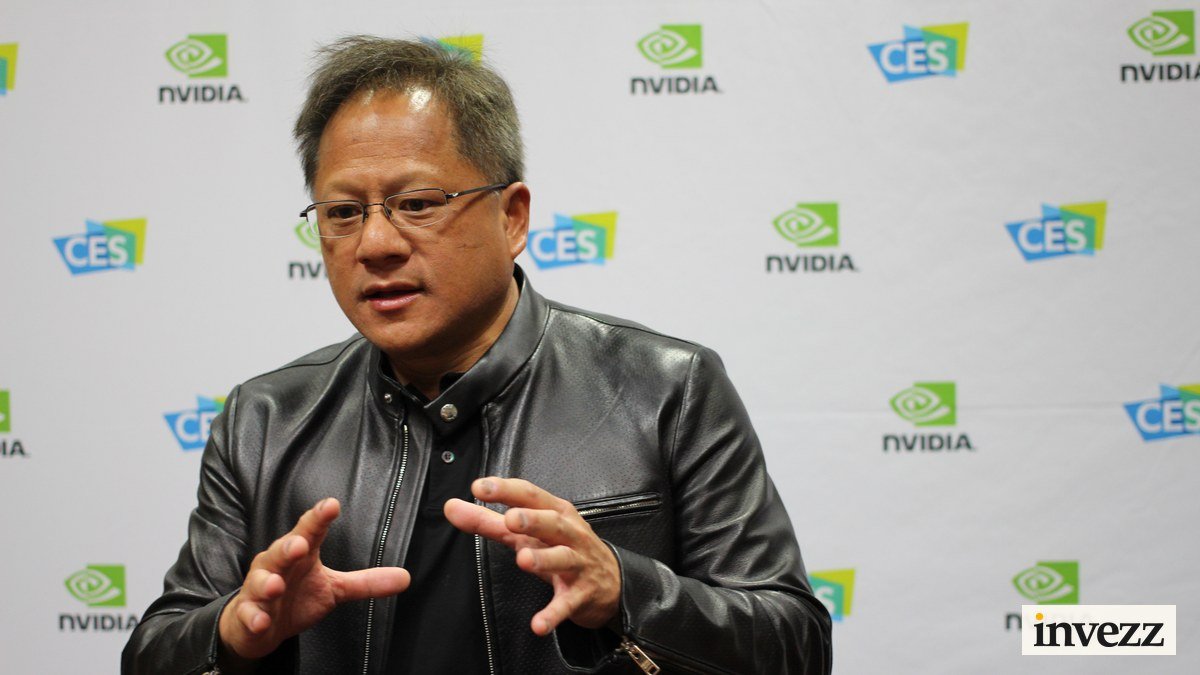
Reports this week indicated that US lawmakers are using the Nvidia controversy involving CEO Jensen Huang's alleged affair with an individual accused of being a Chinese spy to renew calls for tighter oversight of AI chip exports and remote access to advanced computing infrastructure. At the same time, several Chinese AI companies have reportedly been scrambling to secure overseas Nvidia-powered computing capacity amid fears that regulatory loopholes could soon be closed.
These concerns are especially relevant for Alibaba, which remains one of China's largest cloud providers and a major player in the country's generative AI race. For years, the market assumed that Chinese technology firms would continue finding alternative pathways to access cutting-edge AI computing, whether through compliant hardware, overseas cloud infrastructure, or third-party arrangements. The current controversy threatens that assumption.
If policymakers conclude that existing safeguards are insufficient, Alibaba's cloud and AI businesses could face higher costs, slower model development cycles, and greater uncertainty surrounding future infrastructure deployment.
Real risk for BABA is a shift in the regulatory narrative
Perhaps the most important development is that Nvidia's controversy is changing the political conversation around AI hardware. Until recently, debates over semiconductor restrictions largely centered on national competitiveness and technology leadership. Now, concerns about enforcement, oversight, and potential circumvention of export controls appear to be moving to the forefront.
Several lawmakers have publicly argued for stronger measures aimed at limiting China's access to advanced AI capabilities, while reports suggest Chinese technology firms are increasingly worried about future restrictions on remote access to high-end processors hosted outside China. That shift matters for Alibaba because the company is no longer simply an e-commerce giant; its long-term valuation increasingly depends on Alibaba Cloud and AI initiatives such as Qwen, which have become central to the company's growth narrative.
Investors often evaluate BABA through traditional metrics such as retail revenue or consumer spending trends. Yet the larger opportunity, and arguably a significant portion of the company's future upside, is tied to artificial intelligence. If access to top-tier compute becomes more difficult or expensive, the impact could extend far beyond near-term earnings, affecting Alibaba's ability to compete against both domestic rivals and global AI leaders over the next several years.
What Alibaba stock investors should watch
The market's reaction this week may provide an early glimpse of how investors are thinking about these risks. Alibaba shares fell nearly 7% on Nov. 12 as concerns grew that Nvidia's troubles could ultimately translate into tighter chip-related restrictions affecting Chinese AI companies. Reports also suggested BABA was among the users of overseas computing arrangements that have attracted increased scrutiny from policymakers.
However, the broader takeaway is not that Alibaba faces an immediate operational crisis. The company remains financially strong, maintains a dominant domestic cloud presence, and continues investing aggressively in AI. Instead, the controversy highlights a key reality often overlooked by investors: Alibaba's future is becoming increasingly linked to global AI infrastructure politics.
The next major catalyst for the stock may not come from retail sales, advertising growth, or Chinese consumer spending. It could come from regulatory decisions made thousands of miles away in Washington. As AI becomes the defining technology race of this decade, access to computing power may prove just as important as software innovation itself. For Alibaba shareholders, that makes the Nvidia controversy far more significant than it first appears.
This article is for informational purposes only and does not constitute financial advice.