Reports indicate that Tesla and SpaceX are in advanced discussions to merge, with an announcement potentially coming as soon as December. According to a Bloomberg report, the combined entity could be valued between $3.4 trillion and $3.5 trillion, making it the largest corporate deal on record.
The merger would unite Tesla's electric vehicle, energy storage, and robotics operations with SpaceX's rocket, satellite, and artificial intelligence ventures. SpaceX, following its public listing, is valued at over $1.9 trillion, while Tesla's market capitalization stands at approximately $1.5 trillion.
Musk's Fast-Moving Approach
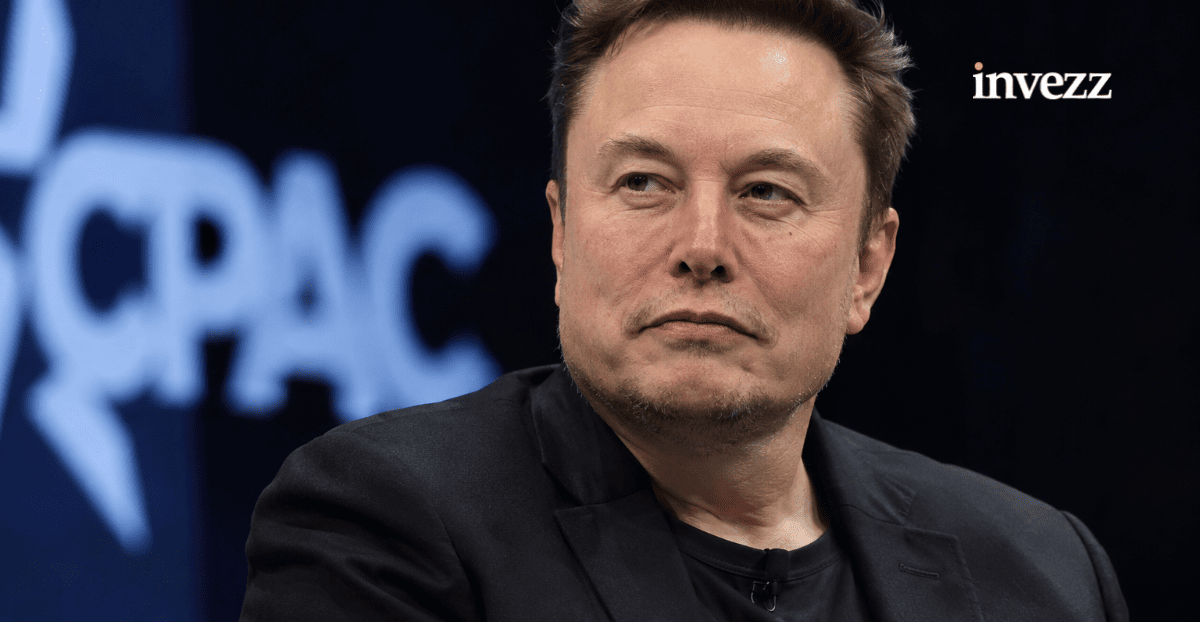
Elon Musk, CEO and largest shareholder of both companies, is known for his rapid decision-making in corporate maneuvers. The boards and advisers are currently negotiating terms, including the exchange ratio for Tesla shareholders and the governance structure of the combined entity. An announcement could slip into early 2027 if talks extend, but the current timeline suggests December.
Musk has publicly endorsed the merger, calling it "a good idea" during SpaceX's third-quarter earnings call. He noted that special committees of independent directors have been formed to evaluate the proposal, as he is a conflicted party. Musk has highlighted synergies in AI, chip design, robotics, and orbital computing systems.
Political and Regulatory Hurdles
Earlier reports suggested Musk aimed to close the deal before President Trump leaves office, but the political landscape has shifted with Democrats gaining control of Congress. Musk's significant donations to the Republican Party may now face a less accommodating environment, accelerating the timeline.
One of the most significant obstacles is Tesla's operations in China, which account for roughly 20% of its revenue and a larger share of earnings. JPMorgan analysts, including Rajat Gupta, identify Chinese regulatory approval as the single biggest hurdle, even more than shareholder support. SpaceX's U.S. government contracts and Starlink's absence in China create potential conflicts.
Discussions are exploring a ring-fence of Tesla's China business, potentially transferring majority control to a Chinese consortium while Tesla licenses its brand and Full Self-Driving technology. Any deal would require approvals from multiple jurisdictions and Tesla shareholders.
Former Tesla director Steve Westly highlighted SEC approval as a key hurdle, given Musk's overlapping interests. The special committees must demonstrate that their decisions align with shareholder interests. With growing scrutiny on Musk's businesses, the merger could face additional challenges.
This article is for informational purposes only and does not constitute financial advice.