Nvidia (NASDAQ:NVDA) shares tumbled 4.27% to $178.67 on Monday, marking their lowest close since April, even as the broader market rallied. The Nasdaq Composite surged 2.74% and the Philadelphia Semiconductor Index jumped 6.85%, but Nvidia bucked the trend amid a double dose of bad news.
The company announced Sunday that its board of directors has launched an independent investigation into reports that CEO Jensen Huang was targeted by a foreign intelligence operation. The probe, assisted by outside counsel, will examine the allegations, though Nvidia stated it has no reason to believe national security or corporate secrets were compromised. Huang remains at the helm, is cooperating with the review, and retains the board's confidence.
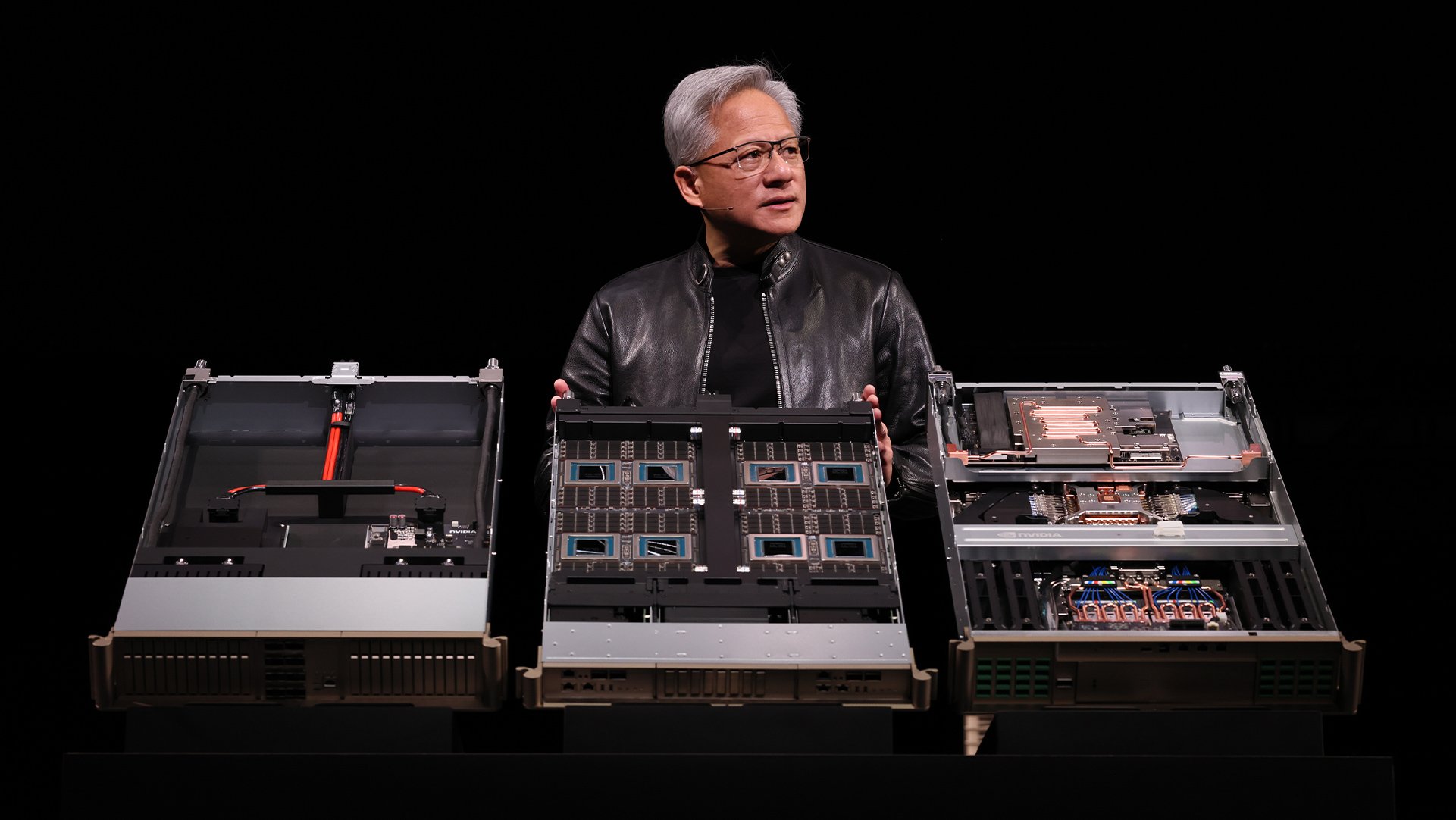
The development has prompted CNBC's Jim Cramer to question his long-held investment rule for Nvidia: "Own it, don't trade it." Cramer, a longtime bull on the company's AI dominance, said on Monday's Mad Money that investors may need to consider owning shares in a "Jensen-less Nvidia." He acknowledged the company's strong management bench and multiyear product roadmap but expressed concern that leadership uncertainty could undermine a firm whose strategy, government ties, and key customer relationships are closely linked to its founder.
Beyond the governance issue, Cramer flagged a second threat: the financing of AI data centers. These facilities require massive upfront capital, reliable power supplies, and regulatory approvals. Political opposition to new construction, amplified by Democratic gains in the midterm elections, could slow projects even if demand for computing power remains robust. Smaller cloud providers like CoreWeave, Nebius, and Iren are particularly vulnerable, as they often rely on external funding rather than established cash flows to expand. Tighter financing conditions could leave them unable to build the infrastructure needed to house Nvidia's chips.
Bernstein analysts described the Huang controversy as a potentially serious distraction that could intensify political pressure on AI infrastructure. However, they maintained their Outperform rating and $400 price target, arguing that underlying product demand appears unlikely to suffer directly.
Nvidia's decline was especially notable given the strength in rival semiconductor stocks. Advanced Micro Devices climbed 13.26% and Broadcom advanced 8.78% as investors returned to tech shares after last week's sell-off. Nvidia, however, had already been under pressure from expensive valuations, financing worries, and regulatory questions. The board investigation adds a governance risk to an already fragile outlook.
Josh Gilbert, lead analyst at eToro, told Reuters that "Nvidia's earnings on November 17 are the real next test." The fiscal third-quarter report will reveal whether spending by major cloud customers remains strong and whether Nvidia can sustain growth amid uncertainty surrounding new infrastructure projects.
This article is for informational purposes only and does not constitute financial advice.