Nvidia (NVDA) shares declined 2.18% in Thursday trading, snapping a three-day winning streak, even as Alphabet (GOOGL) raised its 2026 capital expenditure guidance to between $195 billion and $205 billion. The revised outlook, up from a prior forecast of $180 billion to $190 billion, eased concerns about a slowdown in AI infrastructure investment but failed to lift the chip giant's stock.
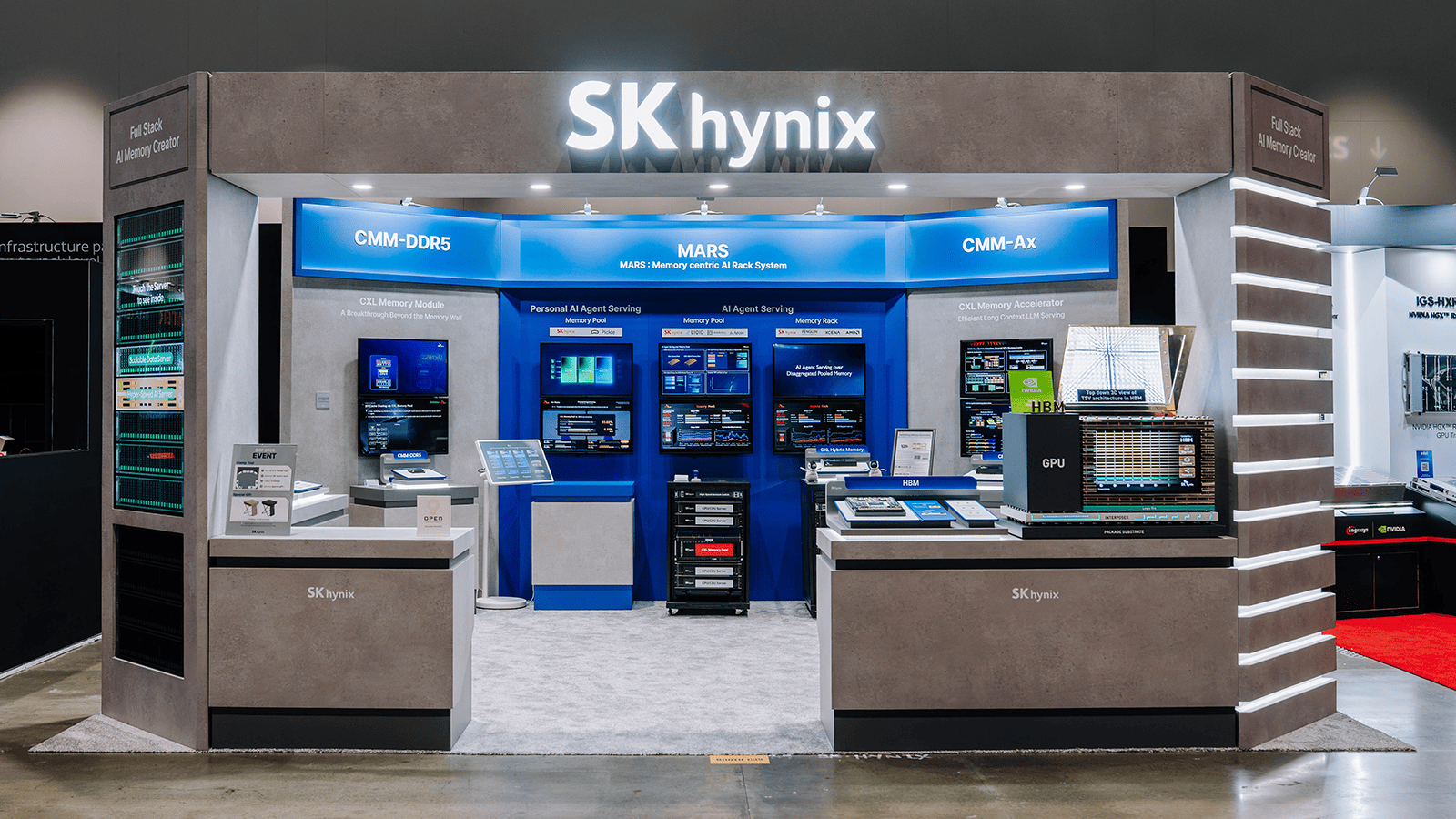
Instead, the market rotated toward memory and semiconductor specialists. Micron Technology rose 2.5% and SK Hynix gained 2.8%, as investors interpreted Alphabet's spending plans as a direct boon for memory and chip suppliers. The divergence highlights a shift in investor sentiment away from the largest technology companies and toward more specialized AI hardware providers.

Alphabet's Capex Surge Triggers Rotation
Alphabet's quarterly earnings report, which included the higher capex guidance, initially appeared to reassure markets that AI infrastructure spending remains robust. However, the company's own stock fell nearly 6.3%, as investors focused on the increased spending commitments rather than the stronger-than-expected earnings. This pattern suggests that the market is now scrutinizing the returns on AI investments more closely.
The rotation away from Nvidia and toward memory makers marks a reversal of a recent trend where investors had been selling semiconductor stocks in favor of large technology companies. Alphabet's spending guidance appears to have reignited interest in memory manufacturers such as Micron and SK Hynix, while weighing on Nvidia, which has become so large that it is now often grouped with Big Tech rather than smaller chip names.
Broader Tech Selloff
Other technology giants also traded lower on Thursday morning. Amazon (AMZN) fell 4.9%, and Meta Platforms (META) declined 4.3%, reflecting a broader pullback in mega-cap tech stocks. The moves suggest that investors are reassessing the valuations of the largest companies, even as they remain bullish on the underlying AI spending theme.
Nvidia's decline came despite its dominant position in AI chips. The company's rapid ascent to become one of the world's most valuable public companies has made it a proxy for both AI optimism and Big Tech risk. As a result, it is now more susceptible to sector-wide rotations.
Analyst Sentiment Remains Bullish, Options Signal Caution
Despite Thursday's decline, longer-term sentiment toward Nvidia remains largely positive. A Barchart analysis rated Nvidia as an "80% Strong Buy," citing a strengthening short-term outlook. Analysts maintain an average price target of just over $304, supported by expectations for new semiconductor architectures and continued AI infrastructure spending.
However, the options market tells a more cautious story ahead of Nvidia's second-quarter earnings, scheduled for Aug. 26. According to the analysis, options traders are paying elevated implied volatility premiums for out-of-the-money put options expiring shortly after earnings, suggesting increased demand for downside protection.
Separately, a Motley Fool report argued that Nvidia remains attractive despite concerns over the sustainability of AI spending. The report noted that Nvidia's valuation metrics, including its price-to-earnings ratio and price-to-free-cash-flow ratio, are near five-year lows and below those of several other companies benefiting from AI spending. It also pointed out that Nvidia's products have applications beyond artificial intelligence, citing previous demand from cryptocurrency mining and suggesting future opportunities in areas such as quantum computing.
For investors tracking the broader AI capex theme, the divergence between Nvidia and memory stocks underscores the importance of looking beyond the largest names. As Alphabet's stock slide shows, even strong earnings can be overshadowed by spending commitments. The market is now demanding proof that AI investments will translate into revenue growth, not just for Big Tech but for the entire semiconductor ecosystem.
This article is for informational purposes only and does not constitute financial advice.