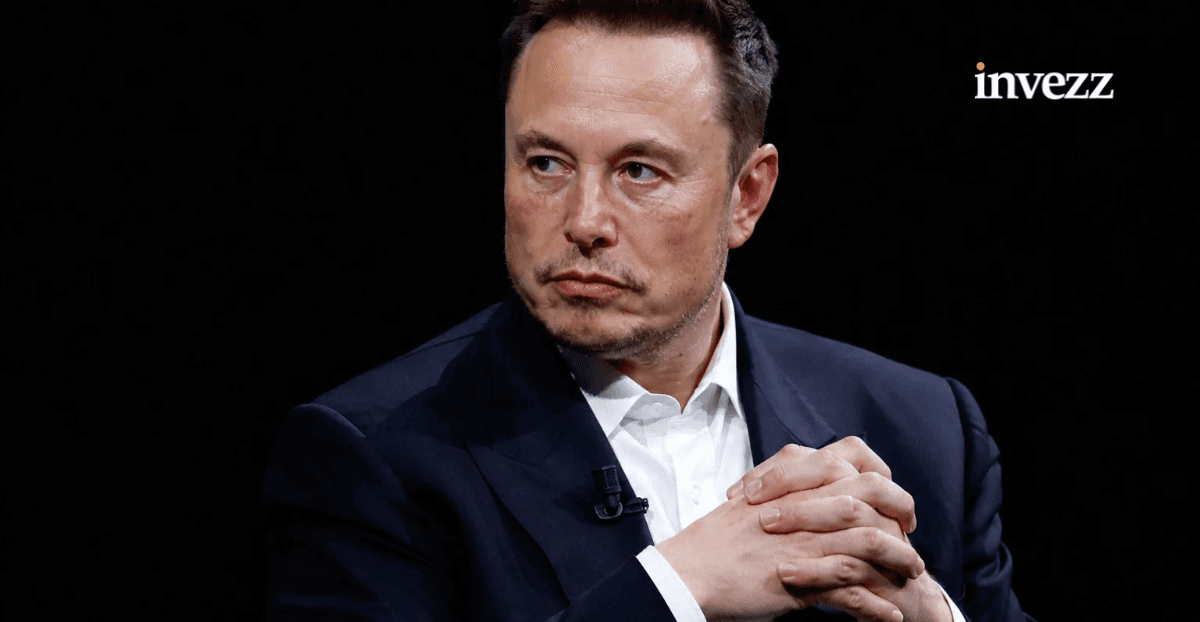
Elon Musk has publicly stated that he would be honored to hire Jensen Huang, adding a new layer of intrigue to the leadership uncertainty at Nvidia as its board deliberates on the CEO's future. Responding to a post on X that urged him to recruit Huang, Musk wrote, “That would be an honor.”
The comment follows reports that Nvidia's board is discussing whether to remove Huang, who co-founded the company in 1993. The discussions come amid an independent investigation into whether a foreign intelligence operation targeted Huang, though Nvidia has said it has no reason to believe national security or proprietary information was compromised.
Musk's Endorsement Raises Stakes
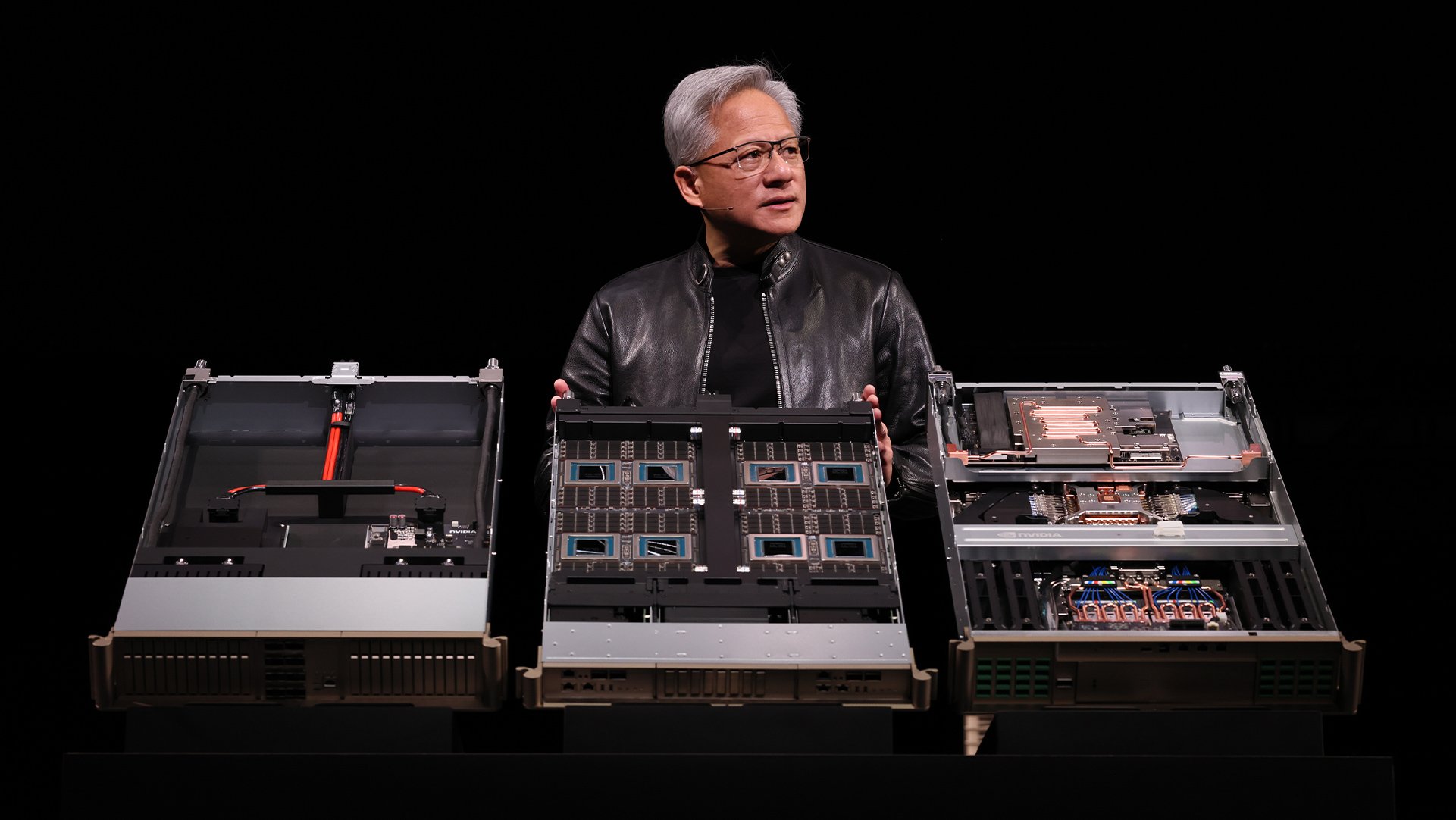
Musk's remark carries weight because his companies—Tesla and xAI—are major consumers of advanced computing hardware. Tesla is developing autonomous driving systems and humanoid robots, while xAI is expanding infrastructure for training large AI models. Huang's expertise in processors, software, and global supply chains would be valuable across those operations.
Business Insider noted a precedent in Oracle's 2010 recruitment of former Hewlett-Packard chief Mark Hurd after his departure. That episode shows how an unexpected leadership exit can create opportunities elsewhere, but there is no evidence that Musk has begun negotiations with Huang.
Board Faces Succession Dilemma
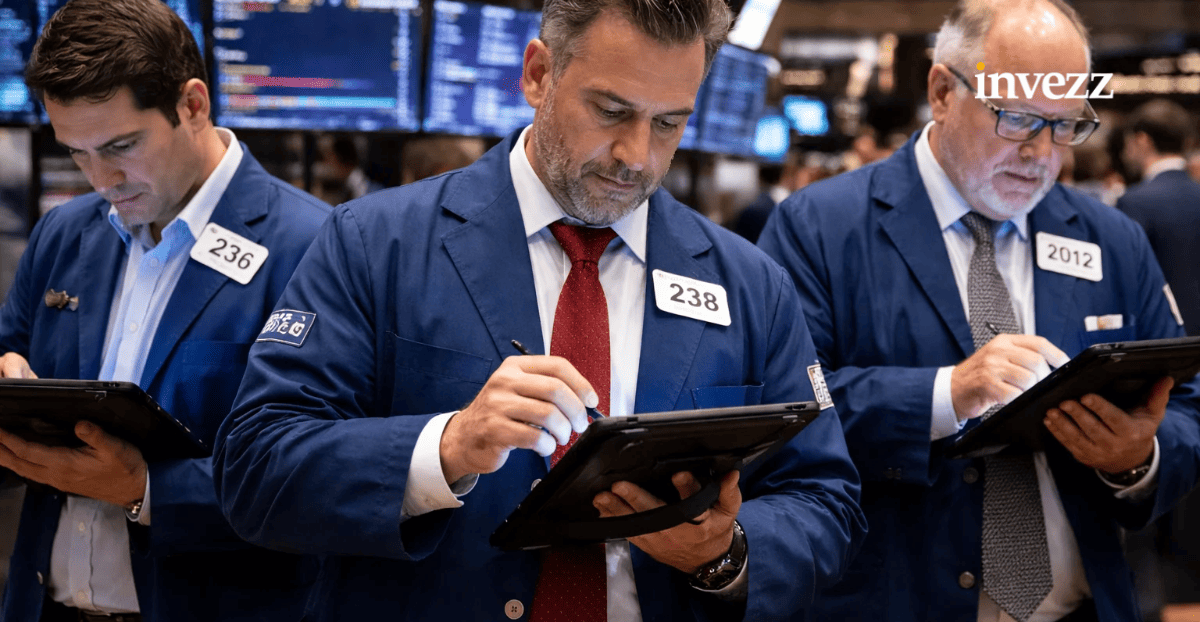
Nvidia announced an independent investigation on November 8 after reports that a foreign intelligence operation had targeted Huang. Two days later, independent directors retained former acting U.S. Attorney Joon H. Kim and law firm Wachtell, Lipton, Rosen & Katz to lead the review. On Wednesday, Reuters reported that directors were meeting to weigh Huang's future, following a Wall Street Journal report that the board was preparing to remove him.
The question extends beyond the investigation. Huang has built a relatively flat management structure with no publicly designated successor. Jason Schloetzer, a Georgetown University governance expert, told Fortune that a possible solution would be to keep Huang under greater scrutiny, describing it as “stay, with less.” Directors could appoint a clear deputy and strengthen succession planning.
Market Reaction and Implications
Nvidia stock finished Wednesday up 2.87% at $173.73, before falling more than 8% in extended trading after reports about Huang's future. The reversal illustrates investors' sensitivity to leadership risk, even when demand for AI processors remains robust.
Morgan Stanley analyst Joseph Moore described Huang as crucial to Nvidia's strategic direction. Although the bank removed Nvidia from its Top Picks list after a sharp decline, it kept an Overweight rating and a $300 target, reflecting confidence in AI infrastructure demand.
Josh Gilbert, lead analyst at eToro, told Reuters that Nvidia's customers would not suddenly stop buying chips without Huang. Nevertheless, the difficulty of valuing a company that has never had another chief executive could weigh on confidence.
Nvidia's CUDA software, chip designs, and cloud partnerships would not vanish with a change at the top. But decisions on future products, export restrictions, and customer investment would face greater scrutiny.
This article is for informational purposes only and does not constitute financial advice.