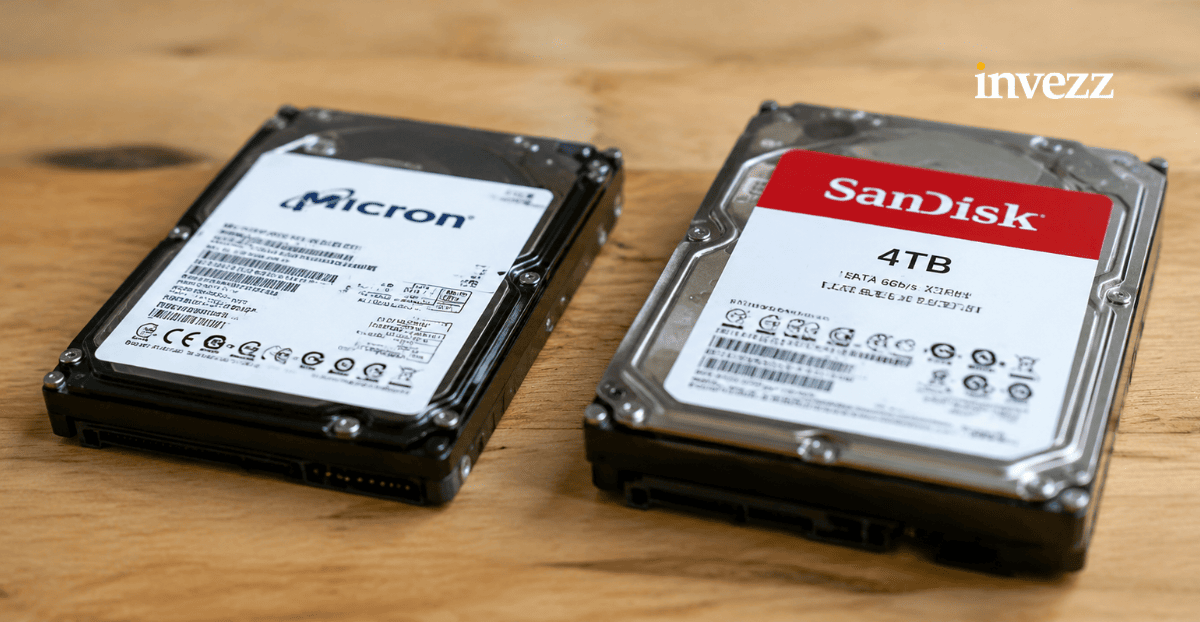
Memory-chip stocks extended their recovery on Monday, with Micron (MU) gaining roughly 6% and SanDisk (SNDK) advancing about 7% during the session. The bounce follows a turbulent period for the sector, which saw Micron shed nearly 30% of its market value over the past month amid a broader selloff in artificial intelligence-related equities.
The rebound was supported by comments from Taiwan Semiconductor Manufacturing Company (TSMC), which played down the prospect of entering the memory-chip market. Last week, a report from The Information suggested TSMC was exploring the production of 3-D dynamic random-access memory (DRAM) at Nvidia's request, raising concerns about additional competition and the potential for memory prices to peak earlier than expected.
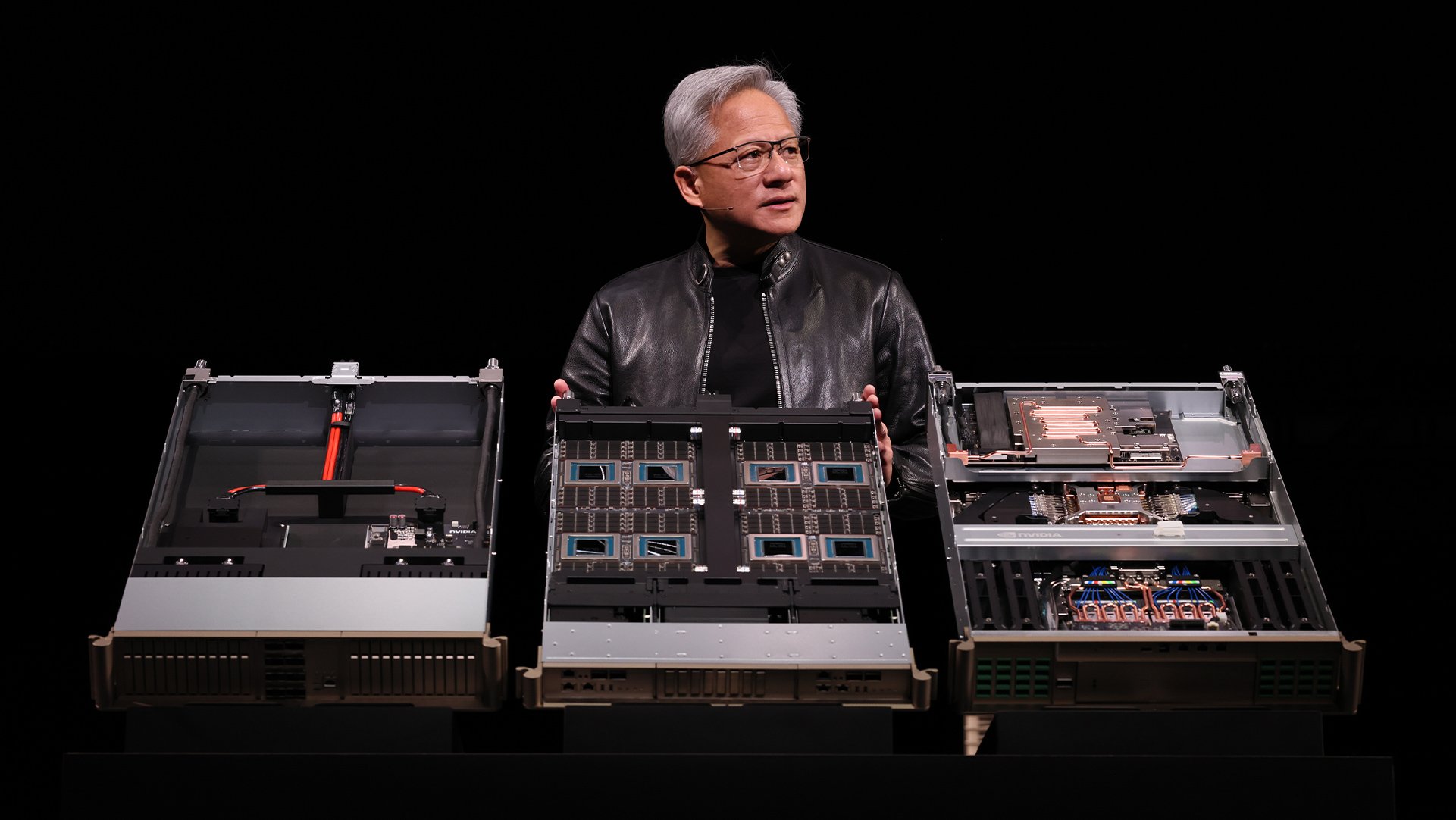
However, TSMC told Barron's on Monday that it does not comment on market rumors and remains focused on its core business of logic chips rather than memory. “Our mission is to be the trusted technology and capacity provider of the global logic IC [integrated circuit] industry for years to come,” the company said in an emailed statement.
Analysts at Jefferies have suggested that TSMC could enter the memory market by 2035, but that would represent a longer-term competitive threat rather than an immediate shift in the industry's supply dynamics. For Micron investors, the more pressing concern remains when memory prices could peak between now and 2030, the period covered by the company's long-term pricing agreements.
Meanwhile, competition in the memory market is intensifying as Chinese manufacturers expand production. According to Counterpoint Research, SanDisk's share of global NAND flash memory revenue declined to 11% in the second quarter of 2026 from 13% in the previous quarter. Chinese rival YMTC increased its share to 14%, up from 12% in the fourth quarter of 2025, despite a 70% quarterly increase in the overall NAND market.
These figures highlight the growing competitive pressure facing established memory producers as Chinese manufacturers expand their presence. Despite these concerns, analyst sentiment on SanDisk remains positive. According to TipRanks data, 14 of the 17 analysts covering the stock have a buy rating, with an average 12-month price target of $2,110.63, implying potential upside of 134% from current levels. Bernstein also assigned SanDisk a buy rating on November 5, with a price target of $3,000.
Micron's rebound comes after a sharp decline over the past month, with shares recovering as concerns about TSMC's potential entry into the memory market eased. However, the broader outlook remains tied to the AI trade and the timing of a potential peak in memory prices. While TSMC's reported plans could represent a future competitive challenge, its current position remains focused on logic chips.
This article is for informational purposes only and does not constitute financial advice.