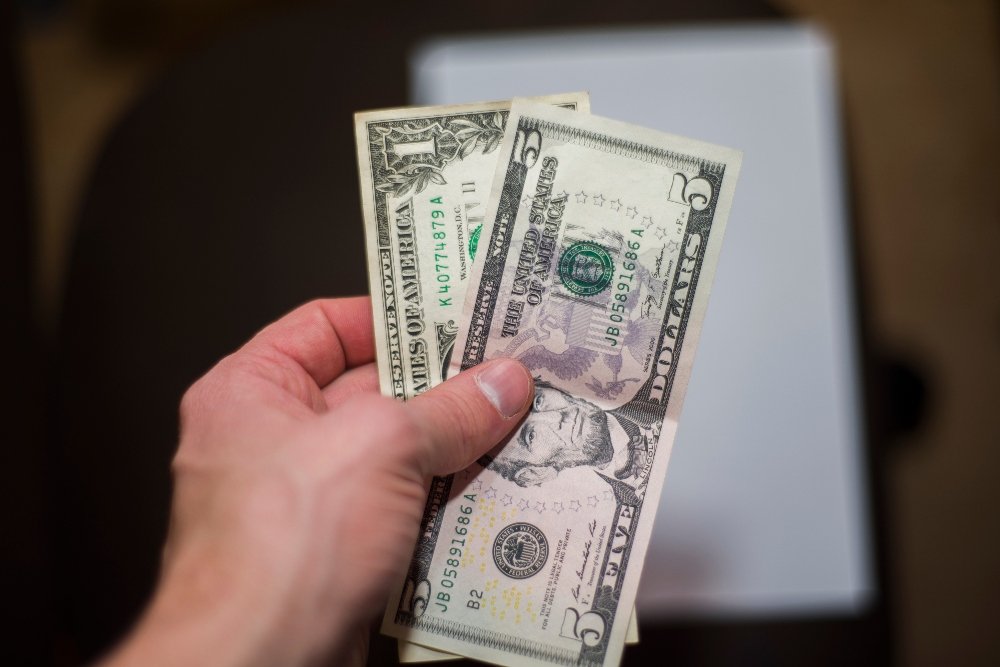
Currency Strategists Turn Bearish on Greenback Outlook
Mounting pressures from global energy markets and domestic policy uncertainty are challenging the traditional role of the US dollar as a reliable safe-haven asset, according to recent foreign exchange analysis. A Reuters survey of nearly 70 currency strategists, conducted between late March and early April, indicates a growing consensus that the dollar may weaken in the coming months.
Euro Projected to Gain Against the Dollar
The poll forecasts the euro to remain around $1.16 through the second quarter of this year before appreciating approximately 2% to $1.18 within six months. A further rise to $1.20 is anticipated over a one-year horizon. This projected strengthening of the euro coincides with a reassessment of the factors that have historically supported dollar strength during periods of geopolitical tension.
Analysts note that the dollar's roughly 2% appreciation against a basket of major currencies since the onset of recent Middle East conflicts appears driven more by technical market positioning than by strong fundamental conviction. "The safe-haven bid has been declining," observed Manuel Oliverio, a currency strategist at BBVA, pointing to rising US Treasury yields and a more than 10% drop in gold prices since the conflict began as evidence of shifting capital flows.
Policy Volatility Introduces Risk Premium
Unpredictable shifts in US trade and foreign policy are introducing a heightened risk premium for dollar-denominated assets, currency experts suggest. This uncertainty complicates the Federal Reserve's policy path and undermines the currency's perception as a stable store of value. Steven Englander of Standard Chartered noted that the dollar tends to sell off rapidly when hopes for geopolitical resolution emerge, indicating a fragile underpinning for recent gains.
Persistently elevated energy costs present a significant macroeconomic headwind. Oil prices remain approximately 40% above pre-conflict levels, a surge that historically correlates with notable dollar weakness. Derek Halpenny of MUFG highlighted that the currency's reaction to this oil price move has been unusually muted, suggesting its status as a perpetual safe haven "has been undermined to a degree."
Institutional Sentiment Shifts
Major financial institutions are adjusting their outlooks in response to these dynamics. Wells Fargo has adopted a bearish dollar stance, with strategist Erik Nelson stating the greenback is "trading rich versus fair value." He warned that high energy costs would create "massive ripple effects" through the economy, pressuring real incomes against a backdrop of a weak labor market and subdued wage growth.
Market participants are closely monitoring two potential risk scenarios that could trigger sharp moves: the imposition of stronger-than-expected sanctions on Iran, or direct military action by the US against Iranian targets. Analysts, including Marc Robinson of HSBC, warn that such events could cause oil prices to spike and risk assets to plunge, though last-minute policy reversals could increase market volatility over the longer term.
For further context on dollar trends, readers may explore related analysis in HSBC Sees Dollar Weakness Ahead Despite 2% March Gains on Geopolitical Tensions. The interplay between currency movements and commodity markets is also examined in Gold Holds Near $4,800 as Dollar Weakness Battles Ceasefire Optimism. The broader economic impact of energy market disruptions is detailed in Middle East Energy Infrastructure Damage Could Reach $58 Billion, Rystad Warns.
This article is for informational purposes only and does not constitute financial advice.