Historic Supply Shock Alters Long-Term Demand Outlook
The International Energy Agency (IEA) has issued a significant revision to its global oil market forecast, now projecting a contraction in worldwide demand for 2026. The agency's latest assessment points to the ongoing conflict in the Middle East as the primary catalyst for what it describes as the most substantial supply disruption in history, fundamentally altering the energy landscape.
Revised Forecasts and Price Dislocations
In its April Oil Market Report, the IEA now anticipates global oil demand will decrease by 80,000 barrels per day in 2026. This marks a stark reversal from its previous projection of a 730,000 barrel-per-day increase. The agency noted that a potential decline of 1.5 million barrels per day in the second quarter of 2026 would represent the sharpest contraction since the pandemic devastated fuel consumption. The immediate market impact has been severe, with physical crude oil prices surging to nearly $150 per barrel as importing nations scramble for dwindling supplies. This has created a significant and widening gap between physical spot prices and futures market valuations.
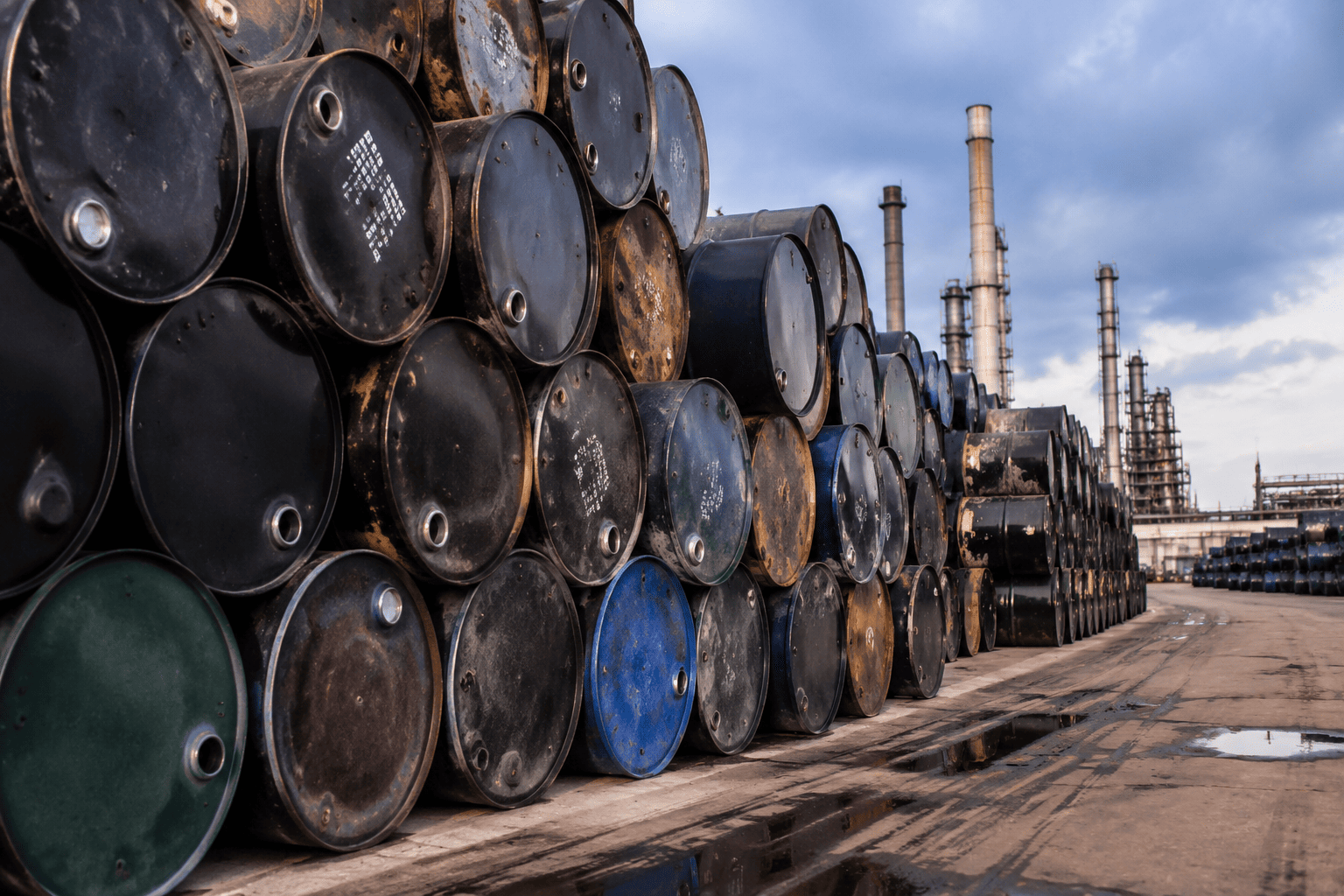
The price surge has been even more pronounced for refined products. Middle distillate prices in Singapore have reached unprecedented levels above $290 per barrel. This broad-based increase is affecting both households and commercial entities that depend on liquefied petroleum gas (LPG) and other petroleum products.
Consumption Declines and Policy Responses
Initial reductions in oil consumption have been most acute in the Middle East and Asia Pacific regions, particularly impacting naphtha, LPG, and jet fuel. A substantial number of flight cancellations across these regions and parts of Europe has led to a pronounced drop in aviation fuel demand. The IEA estimates demand fell by 800,000 barrels per day year-on-year in March, with a more severe contraction of 2.3 million barrels per day projected for April.
In response to these market conditions, numerous governments have implemented policies aimed at curbing consumption. Other nations have introduced measures designed to shield consumers from the full impact of escalating fuel costs. The Paris-based watchdog warns that demand destruction is likely to spread as scarcity and elevated prices persist.
Unprecedented Supply Disruption
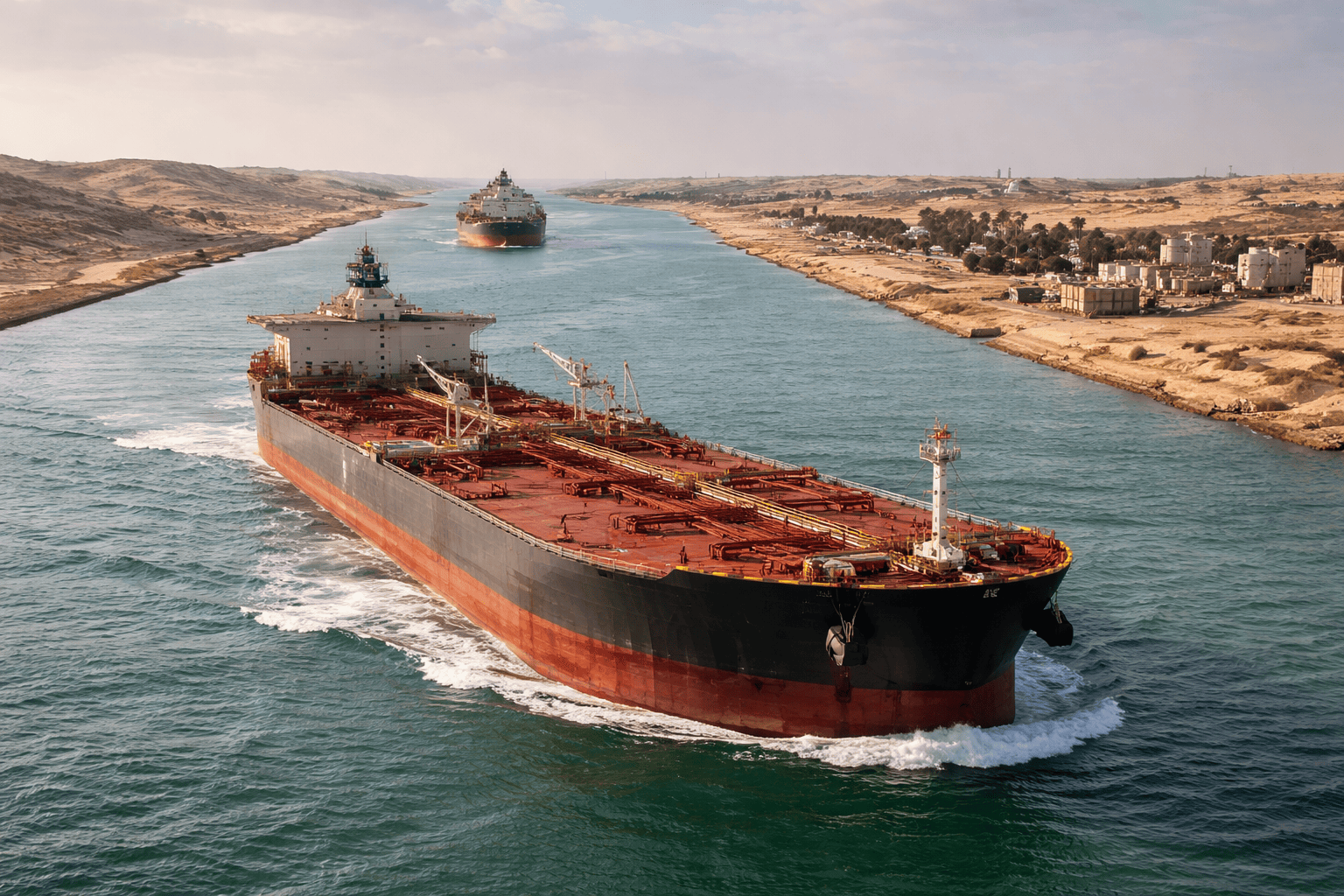
Global oil supply experienced a historic plunge in March, decreasing by 10.1 million barrels per day to 97 million barrels per day. This dramatic reduction stems from persistent attacks on energy infrastructure and severe restrictions on tanker traffic through the critical Strait of Hormuz. OPEC+ production fell by 9.4 million barrels per day month-over-month to 42.4 million barrels per day. Non-OPEC+ supply saw a smaller decline of 770,000 barrels per day, dropping to 54.7 million barrels per day, despite increased output from Brazil and the United States being offset by reductions from Qatar.
By early April, shipments through the Strait of Hormuz remained severely constrained. Loadings of crude, natural gas liquids, and refined products averaged approximately 3.8 million barrels per day, compared to over 20 million barrels per day in February prior to the crisis. Alternative export routes have expanded significantly, rising to 7.2 million barrels per day from less than 4 million barrels per day before the conflict. These alternatives primarily include shipments from Saudi Arabia's west coast, Fujairah on the UAE's east coast, and the Iraq-Türkiye pipeline to Ceyhan.
Infrastructure Damage and Inventory Drawdown
Damage to energy infrastructure and associated production curtailments resulted in supply losses exceeding 360 million barrels in March, with a projected loss of 440 million barrels for April. The overall loss in oil exports has surpassed 13 million barrels per day. To mitigate the immediate effects of these supply interruptions, both consumers and refiners are drawing on oil inventories. Despite stock builds in the Middle East and China, global observed oil stocks declined by 85 million barrels in March.
Future Scenarios and Market Uncertainty
The IEA's primary forecast assumes a partial resumption of regular oil and gas deliveries from the Middle East to international markets by mid-year, though not to pre-conflict levels. The agency acknowledges this scenario may be optimistic given the high degree of uncertainty surrounding the conflict's trajectory. It also presents an alternative case where risks to Middle Eastern energy production and trade remain elevated due to a prolonged conflict. A negotiated settlement to the hostilities remains elusive at this time.
The current crisis underscores the fragility of global energy supply chains and their susceptibility to geopolitical instability. Market participants are closely monitoring developments, as the situation continues to influence not only near-term price volatility but also long-term investment and consumption patterns across the energy sector. For related coverage on supply constraints, see our report on the Brent spot premium widening. The broader economic implications are explored in European corporate earnings reports, while policy responses are detailed in our analysis of recent U.S. sanctions actions.
This article is for informational purposes only and does not constitute financial advice.