Hedge funds are on pace to record their strongest monthly returns in more than ten years, rebounding sharply from a difficult March, according to a Goldman Sachs report cited by Reuters. The recovery is driven by long-short equity strategies, which have posted significant gains amid improved market conditions.
Long-Short Equity Funds Lead the Charge
Stockpickers employing both long and short positions have emerged as the top performers this month. Goldman Sachs data shows these funds are up 7.7% through Tuesday's close, marking their best monthly performance since the bank began tracking the data in 2016. Long positions benefit when asset prices rise, while short positions generate profits from price declines, allowing managers to navigate volatile conditions and capture gains from both sides of the market.
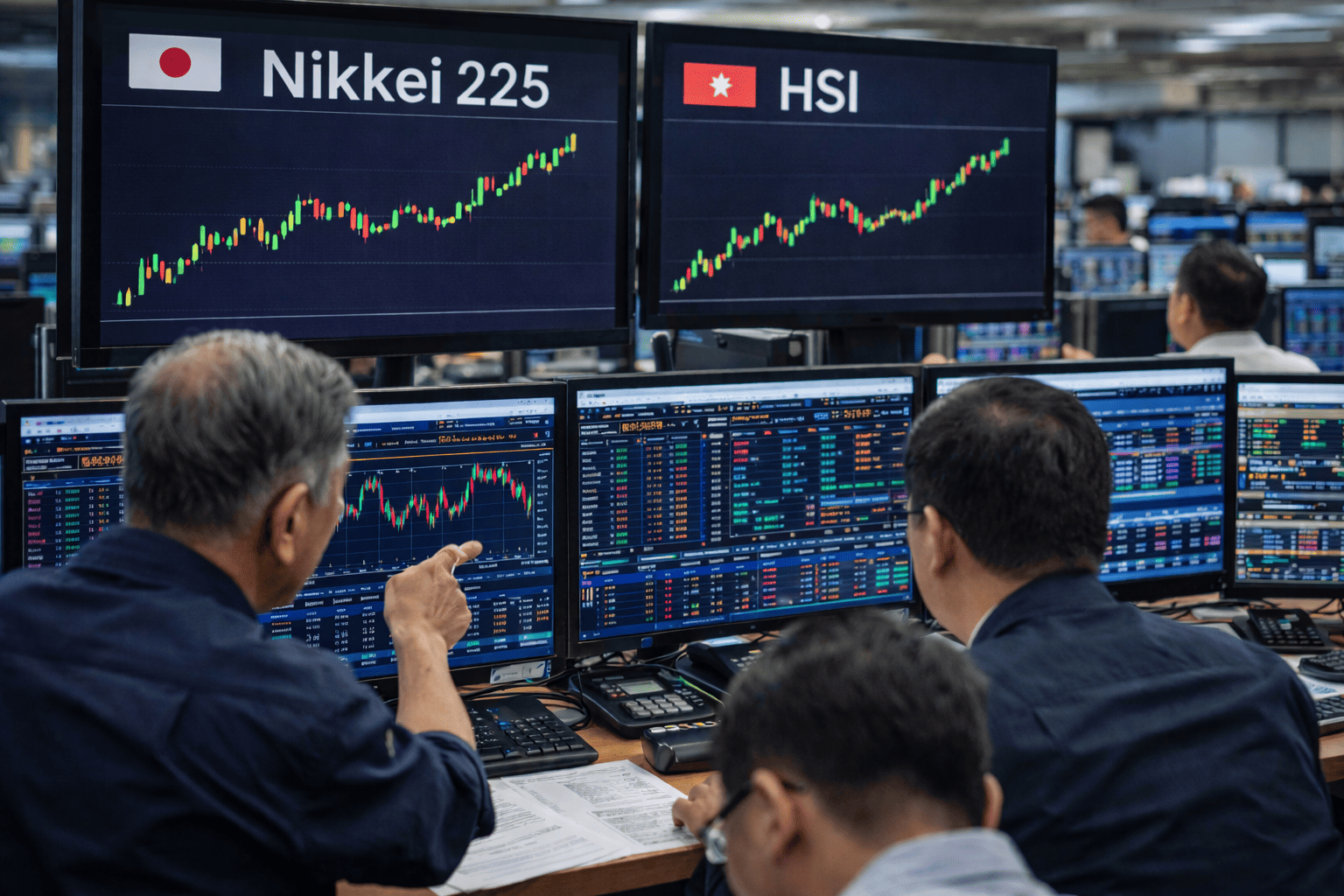
Year-to-date, long-short equity funds have gained approximately 6.7%, with Asia- and China-focused managers leading overall performance. This comes after a turbulent March, when funds fell 1.8% as macro traders faced widespread losses during market turbulence triggered by geopolitical tensions.
First-Quarter Performance Remains Modest
Despite the April rebound, overall hedge fund performance in the first quarter was relatively subdued. Funds across all strategies posted average gains of just 1.6% during the quarter. The data highlights the extent of the recovery in April, as funds reversed earlier declines and returned to positive territory.
Strong Inflows Support Equity-Focused Funds
Equity long-short hedge funds attracted significant investor interest during the March quarter, recording their largest inflows since 2022. This reflects continued bullish sentiment among allocators and limited partners, who maintained confidence in money managers despite recent market struggles. For context, US stock funds saw $17.2 billion in weekly outflows in late March, signaling some investor caution, but hedge funds bucked the trend.
Lower Losses Compared to Traditional Portfolios
During March, hedge funds demonstrated relative resilience compared with traditional investment portfolios. They incurred only 35% of the losses seen in portfolios allocated 60% to stocks and 40% to bonds, underscoring the defensive characteristics of hedge fund strategies during periods of market stress.
Rising Dispersion Highlights Market Volatility
The report also noted a sharp increase in dispersion among hedge fund returns. The gap between top-performing and underperforming funds rose to its highest level in three years during March, reflecting heightened volatility and differing outcomes based on strategy and positioning. This dispersion has created opportunities for skilled managers to generate alpha, or profits derived from trading skill rather than broader market movements.
Sector and Strategy Outperformance
Certain strategies and sectors delivered standout performance during the quarter. Market-neutral funds gained 10.3%, while healthcare-focused funds surged 33.6%. Asia-focused strategies also performed strongly, posting gains of 28.1%. The divergence in returns highlights how targeted strategies and regional exposure played a key role in driving hedge fund performance during a volatile period. Meanwhile, hedge funds have intensified short bets on German automakers, indicating selective bearish positioning in certain sectors.
The strong April performance has helped hedge funds recover from earlier losses, but the modest first-quarter gains suggest that the industry still faces headwinds. As market volatility persists, the ability to generate alpha through both long and short positions will remain critical for fund managers.
This article is for informational purposes only and does not constitute financial advice.