
The US labor market showed renewed strength in August, with nonfarm payrolls increasing by 162,000, according to the Bureau of Labor Statistics. The figure easily surpassed the 53,000 gain economists had projected, reversing a summer slowdown that had raised concerns about the economy's momentum.
The unemployment rate held steady at 4.1%, matching expectations. July's initially reported decline of 23,000 jobs was revised up to a gain of 21,000, a swing of 44,000 that further brightens the picture. August marked the strongest monthly employment increase since March, suggesting the labor market remains resilient despite headwinds from higher oil prices and lingering trade tensions.
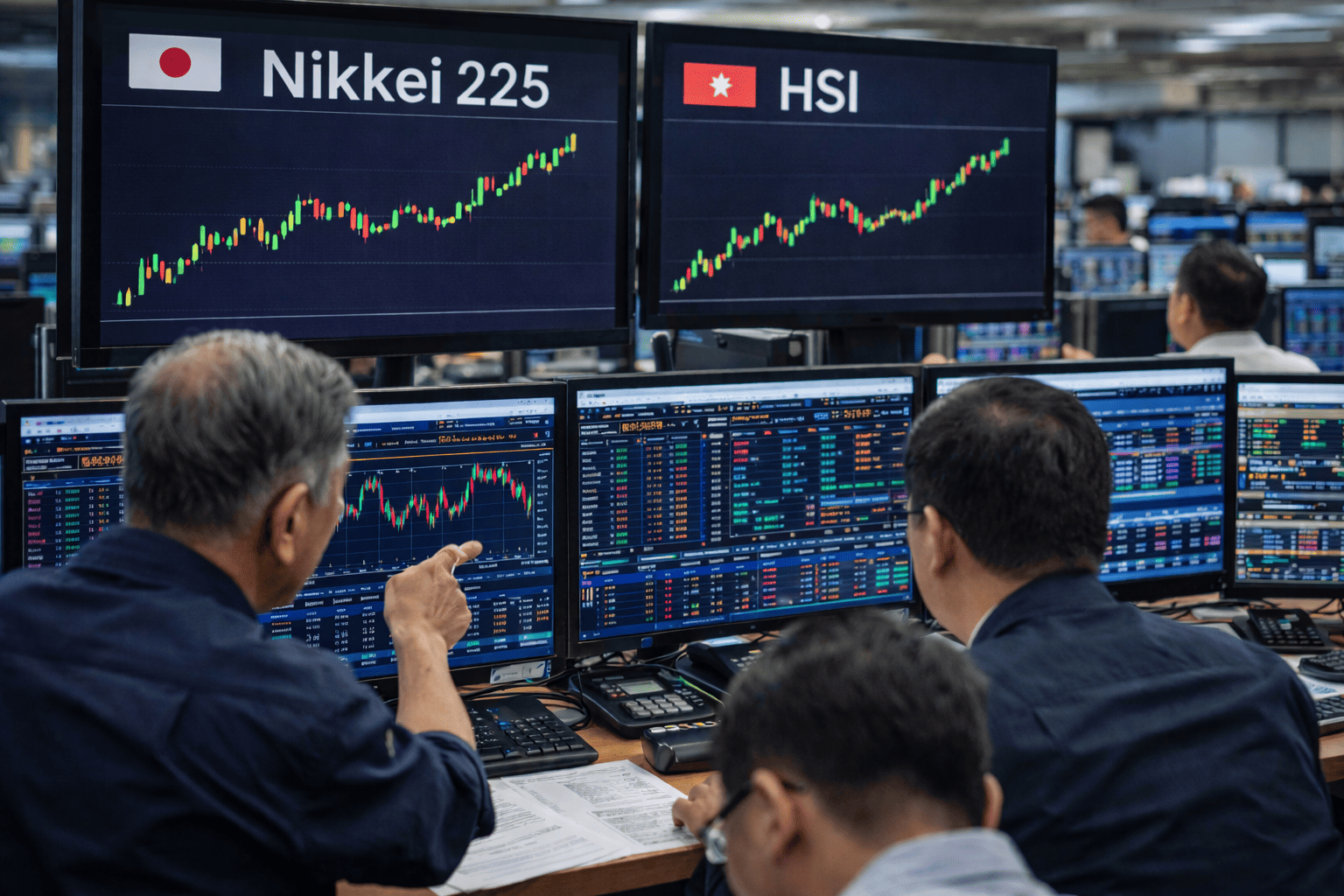
Market reaction was immediate. Treasury yields climbed, with the two-year note reaching its highest level since January 2025, as investors boosted bets on a Federal Reserve rate hike. According to the CME FedWatch tool, traders now assign roughly a 60% probability that the Fed will raise rates at its September 15-16 meeting. Equities opened lower, with the Dow Jones Industrial Average down about 187 points, while the S&P 500 slipped 0.2%.
However, the August report is not the final word. Policymakers will closely watch next week's Consumer Price Index data, which could prove more decisive. Inflation remains above the Fed's 2% target, and recent CPI readings have been modest, reducing urgency for immediate action. A hotter-than-expected CPI could solidify the case for a hike, while a cool print might give the Fed room to wait.
Wage growth, a key inflation indicator, was a soft spot. Average hourly earnings rose 0.3% month-over-month to $37.75, but the annual gain of 3.1% is the lowest in five years. Heather Long, chief economist at Navy Federal Credit Union, noted that with inflation running around 3.5%, real wages are being squeezed. "Inflation has wiped out all wage gains since April," she said, pointing to record credit card debt and declining savings as signs that consumer spending could slow.
Guy Berger, director of economic research at the Burning Glass Institute, cautioned against overinterpreting the rebound. "People got too pessimistic after last month's report, and I guess we'll get excess optimism after today's," he said. "The totality of the evidence is that the labor market has entered a slog/stall phase."
Richard Carter, head of fixed interest research at Quilter Cheviot, saw the data as reassuring. "Today's US nonfarm payrolls report was an important test of whether July's surprise decline in employment was the beginning of something more troubling," he said. "With 162,000 jobs added in August, the unemployment rate steady, and July revised up, it seems there was no need to worry." He added that the figures should offer some reassurance to Fed officials ahead of their meeting.
Job gains were concentrated in food services and drinking places, as well as local government education, while the information sector lost jobs. The number of unemployed people was little changed at about 7 million, and long-term unemployment held steady at 1.9 million, representing 27% of all unemployed.
Despite the rebound, the labor market has cooled from its stronger pace earlier in the year. Economists point to elevated oil prices, supply-chain disruptions, and the effects of US trade tariffs as factors weighing on hiring. Brian Bethune, an economics professor at Boston College, noted that businesses had hoped 2025's problems were behind them, but new uncertainties have emerged.
For investors, the August jobs report adds another layer of complexity to the Fed's decision. While the strong payroll number supports a hike, the soft wage growth and still-moderate inflation could give policymakers pause. The upcoming CPI report will likely be the deciding factor.
This article is for informational purposes only and does not constitute financial advice.