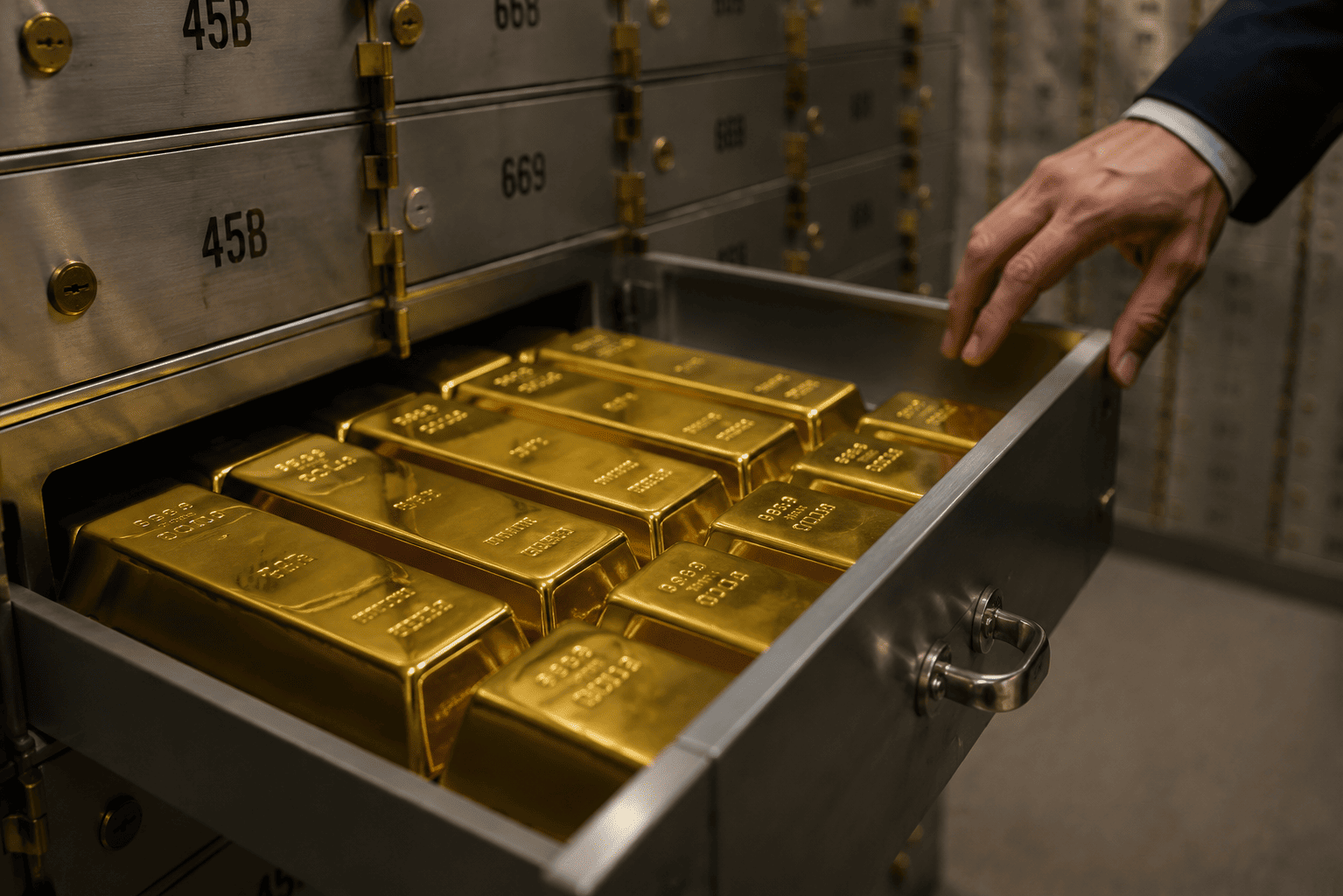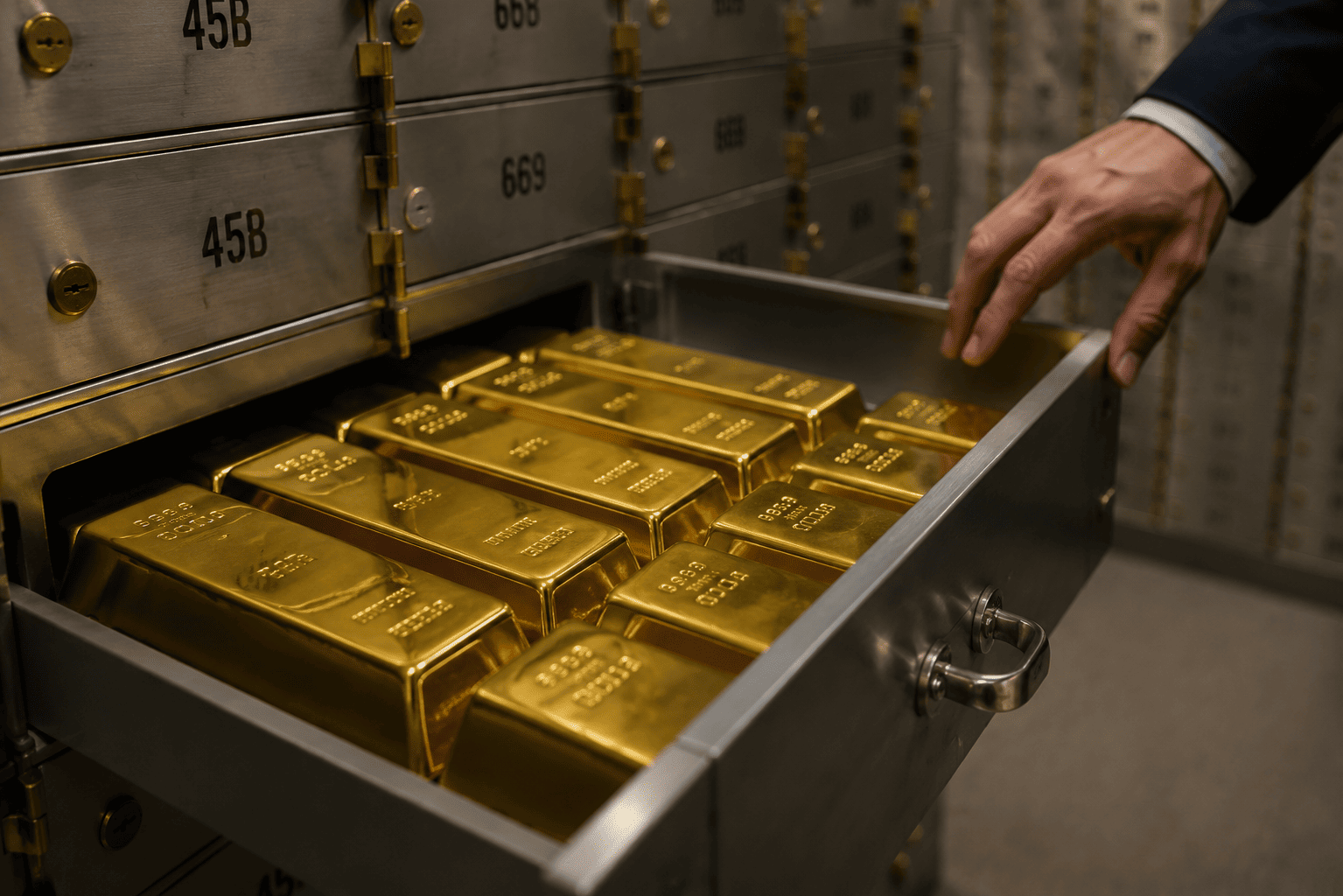
Gold edged lower on Monday, hovering near the psychologically critical $4,000 level, as a sharp rally in crude oil reignited inflation fears and bolstered expectations that the Federal Reserve may raise interest rates again this year. Spot bullion slipped 0.1% to around $4,015 an ounce in early Asian trading, while August futures held near $4,020.
The modest decline masks an unusual market dynamic: intensifying US-Iran hostilities are driving demand for safe-haven assets, but the resulting oil shock is simultaneously lifting inflation expectations and reducing the appeal of non-yielding gold. Brent crude jumped about 3% to $90.79 a barrel, while West Texas Intermediate climbed to nearly $85, following a ninth consecutive night of US attacks on Iran and further Iranian strikes across the Gulf. Shipping through the Strait of Hormuz has slowed sharply, with only four vessels recorded crossing on Sunday.

Oil Shock Reshapes Gold’s Haven Equation
Typically, gold benefits when investors seek safety during geopolitical escalations. This time, however, traders are focusing on the potential inflationary impact of disrupted energy supplies. OANDA strategist Kelvin Wong noted that the conflict increases the risk of a broader offensive and a stagflationary shock, where higher bond yields and tighter monetary policy could outweigh gold’s traditional role as a hedge against political uncertainty.
The oil surge comes only days after softer US consumer and producer inflation figures briefly eased concerns over additional monetary tightening. Those reports covered June, when energy prices were falling, and may offer limited guidance if crude remains above $90.
Fed Debate Turns More Hawkish
Cleveland Fed President Beth Hammack has joined officials arguing that borrowing costs may need to rise if inflation remains persistently above the central bank’s 2% target. She has previously warned that current policy may not be sufficiently restrictive to return price growth to target in a timely manner. Interest-rate markets have reacted quickly: CME FedWatch indicated roughly four-in-five odds of an increase by December, up from about 73% at the end of last week. A September move is also increasingly viewed as possible, although the Fed is still widely expected to leave rates unchanged at its July meeting. Higher rates tend to weigh on gold because investors can earn more from Treasuries and other interest-bearing assets.
Gold’s $4,000 Floor Faces Another Test
Gold remains close to the psychologically important $4,000 level after briefly falling below it last week. The area has attracted bargain hunters several times, but repeated tests suggest support is becoming less secure. A sustained break below the recent low near $3,985 could expose $3,886, a level Wong identifies as important for the longer-term trend. A fall through that zone would raise the risk of a deeper correction towards $3,500. On the upside, bullion must first reclaim $4,050 before challenging resistance near $4,100. Until oil stabilises or Fed rate expectations retreat, rebounds may struggle to develop lasting momentum.
In other precious metals, silver rose 1.9% to $56.95 an ounce, while platinum gained 0.5%. Palladium slipped 0.2% to about $1,245. For broader market context, the recent selloff in equities—including the Dow plunging 394 points as chip rout deepens—has also contributed to a risk-off tone, though gold has not yet benefited as a traditional safe haven.
This article is for informational purposes only and does not constitute financial advice.