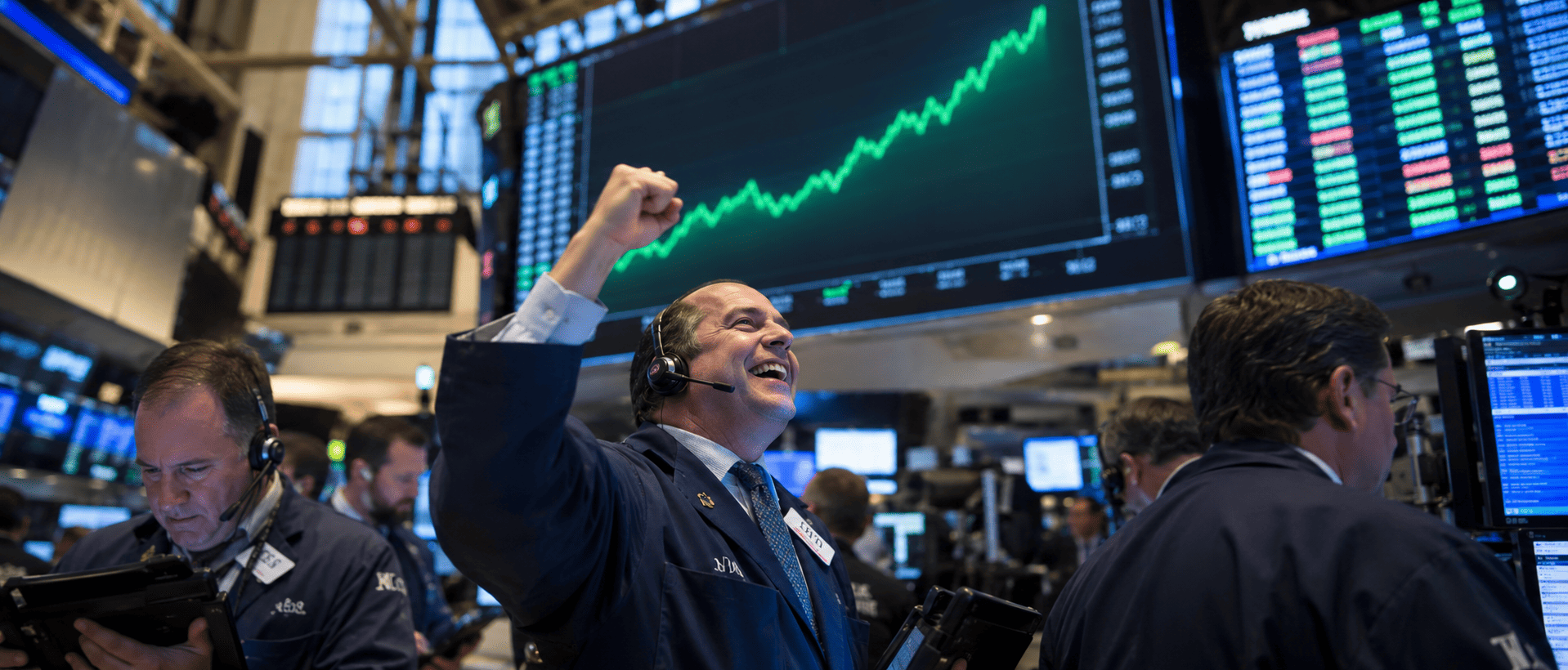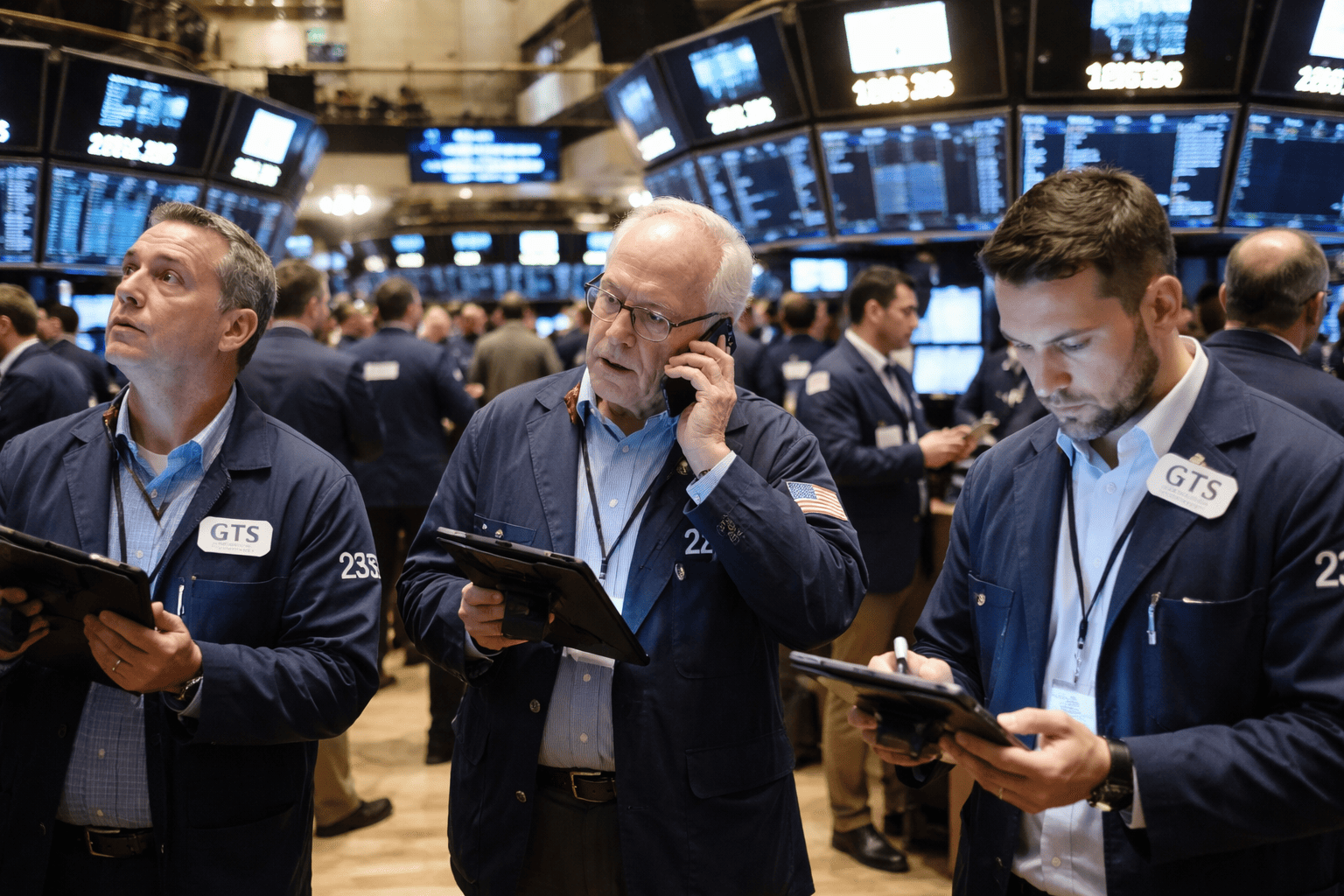
Wall Street ended the week on a sour note Friday, with the Dow Jones Industrial Average falling nearly 400 points as a deepening selloff in semiconductor stocks and renewed anxiety over artificial intelligence spending weighed on investor sentiment.
The Dow dropped 394 points, or 0.75%, to close at 52,158.96. The S&P 500 declined 1.01% to 7,457.78, while the Nasdaq Composite fell 1.40% to 25,511.12. For the week, the S&P 500 lost more than 1%, the Nasdaq shed over 2%, and the Dow slipped nearly 1%.

Semiconductor Stocks Lead Market Lower
Technology shares remained under pressure as investors reassessed the sustainability of the AI investment boom that has driven markets over the past year. The VanEck Semiconductor ETF (SMH) fell more than 8% for the week, marking its third weekly decline in four weeks. The Philadelphia Semiconductor Index recorded its steepest weekly loss in more than a year and has dropped nearly 18% in July, though it remains up about 65% year to date.
The latest pressure followed the launch of a new AI model by Chinese startup Moonshot AI, which claimed its Kimi K3 model narrows the gap with leading US offerings. The announcement added to concerns that increasing competition could reduce future demand for advanced AI chips and moderate technology spending. For more on this development, see our Evening Digest: Moonshot's Kimi K3 Triggers AI Selloff; Apple Briefly Retakes Top Market Cap.
The weakness in chipmakers spread across the broader market as investors trimmed exposure to AI-related stocks. Netflix fell more than 6% after its earnings outlook failed to reassure investors about growth sustainability. Uber Technologies also declined after announcing its planned acquisition of Germany's Delivery Hero in a deal valued at nearly $15 billion. Shares of Intuitive Surgical moved lower after the company maintained its procedure-growth forecast while warning that insurance-plan changes may be delaying patient care.
Earnings Remain Strong Despite Market Weakness
Although equity markets finished the week lower, the second-quarter earnings season has started on a positive note. According to LSEG, 49 S&P 500 companies have reported results so far, with 90% exceeding analysts' expectations. Analysts now expect aggregate second-quarter S&P 500 earnings growth of 26%, up from projections of 19.2% at the beginning of April. Strong bank earnings earlier in the reporting season have helped lift overall expectations.
Economic data released Friday presented a mixed picture. Consumer sentiment improved to a five-month high in July, while industrial production edged up 0.1%. However, single-family housing starts and building permits both declined.
Middle East Tensions Lift Energy Stocks and Oil Prices
Investors also monitored escalating geopolitical tensions after the United States and Iran continued military strikes across the Middle East. The renewed conflict has disrupted energy flows through the Strait of Hormuz, a key global oil shipping route, supporting higher crude prices. US West Texas Intermediate crude traded above $81 per barrel, while Brent crude remained above $86. The rise in oil prices helped energy stocks outperform the broader market, making the sector the strongest performer within the S&P 500 during Friday's session. For more on oil market dynamics, see Oil Surges 12% Weekly as Hormuz and Red Sea Risks Reshape Market Dynamics.
The broader selloff in chip stocks also impacted global markets, as highlighted in our coverage of the Nikkei 225 Plunges 2.8% as Chip Rout Deepens; TSMC Profit Surge Fails to Halt Selloff.
This article is for informational purposes only and does not constitute financial advice.