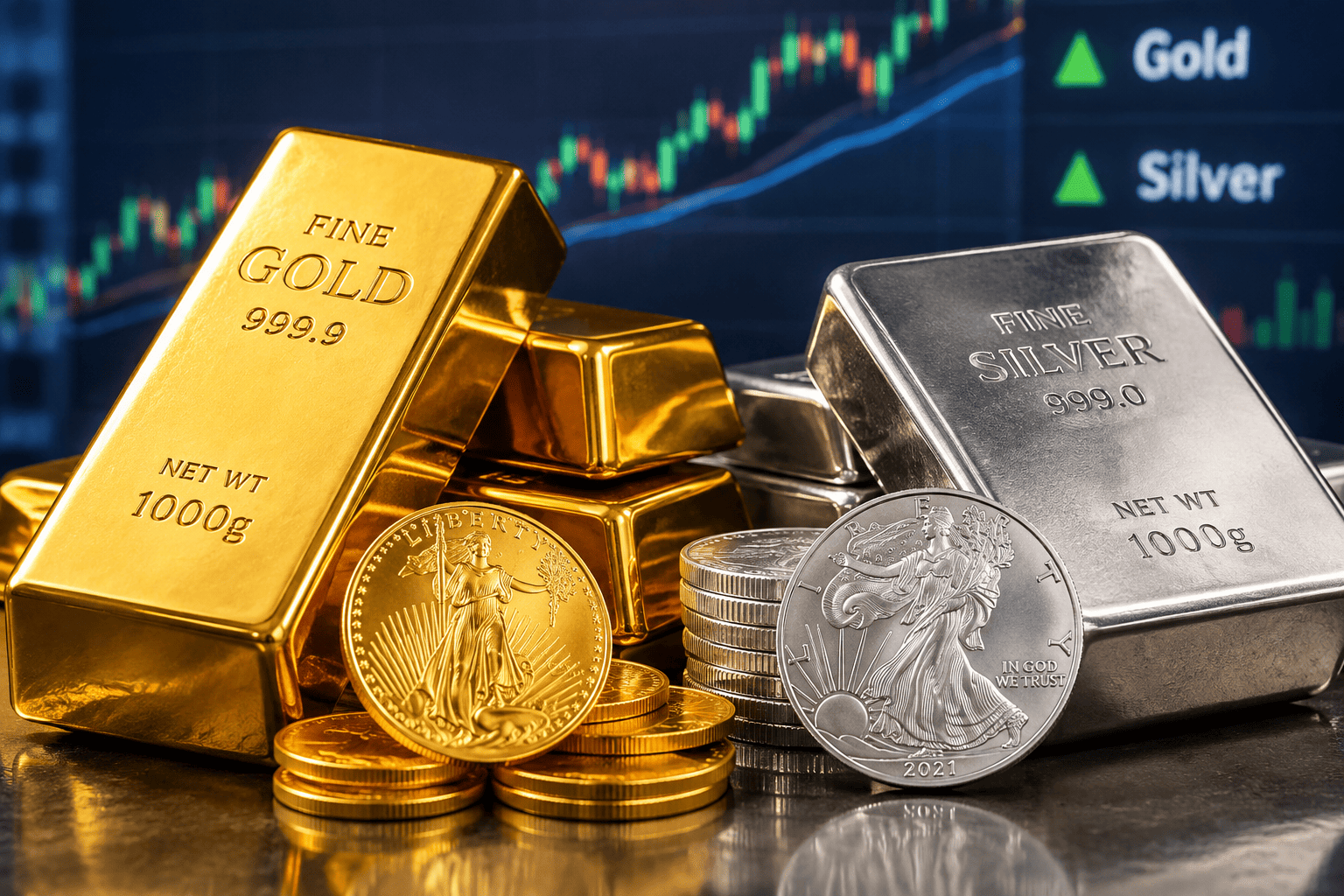
Gold prices pulled back on Tuesday after briefly touching their highest level in over three months, as market attention pivoted from US fiscal worries to upcoming inflation data and Federal Reserve Chair Kevin Warsh's first Jackson Hole speech.
Spot gold slipped 0.2% to around $4,640 an ounce, having traded above $4,668 earlier in the Asian session. US gold futures were little changed near $4,696. The retreat follows a more than 5% gain last week, driven by Treasury intervention in the bond market that revived concerns about the dollar's long-term purchasing power and pushed investors toward bullion.
Debasement trade remains a key driver
Gold's recent surge accelerated after the Treasury announced it would at least double the maximum size of liquidity-support buybacks for 10- to 30-year securities, raising them from $2 billion to at least $4 billion per operation starting September 9. This decision reignited the so-called debasement trade, where investors favor scarce assets amid worries about government debt, currency weakness, or policies aimed at suppressing borrowing costs.
The dollar index stayed subdued near 98.96 on Tuesday, while the 10-year Treasury yield hovered around 4.70%. TD Securities commodity analysts noted that fiscal concerns and potential further Treasury intervention should continue to support gold through dollar weakness. However, they consider their firm's $5,350 target premature, as higher energy costs could revive inflation and force the Fed to tighten further.
PCE data and Warsh speech in focus
The next test for gold comes Wednesday with the release of July's Personal Consumption Expenditures (PCE) report. June headline PCE inflation stood at 3.7% year-over-year, while the core measure was 3.3%, both well above the Fed's 2% target. The July report is due at 8:30 am ET on August 26.
Barclays economist Pooja Sriram expects core PCE to rise 0.2% from June, leaving the annual rate around 3.2%. A softer reading would strengthen the case for gold by reducing the risk of another near-term rate increase. Warsh then takes center stage at Jackson Hole on Friday, with markets looking for clues on how the Fed is balancing stubborn inflation against the recent jump in long-term yields. Higher policy rates remain gold's most obvious obstacle, as bullion pays no interest.
Oil and geopolitical risks complicate outlook
Geopolitical tensions provide support for gold but also create a monetary-policy dilemma. Iran has threatened retaliation as Washington intensifies its economic-pressure campaign, keeping uncertainty around Middle East energy supplies elevated. Oil prices have remained above pre-conflict levels even after Monday's pullback.
MKS PAMP metals strategist Nicky Shiels, cited by Kitco, sees gold as one of the clearest hedges against currency debasement and political intervention. However, she cautions that high oil prices and tight refined-fuel markets could lift inflation expectations and keep pressure on the Fed to raise rates.
Silver fell to around $68.01 an ounce on Tuesday, while platinum slipped to $1,853.85 and palladium traded near $1,345. For broader market context, gold's recent surge has also lifted mining stocks, as seen in the FTSE 100's outperformance. Meanwhile, crypto assets have shown resilience amid liquidity conditions, and tech stocks face their own headwinds.
This article is for informational purposes only and does not constitute financial advice.