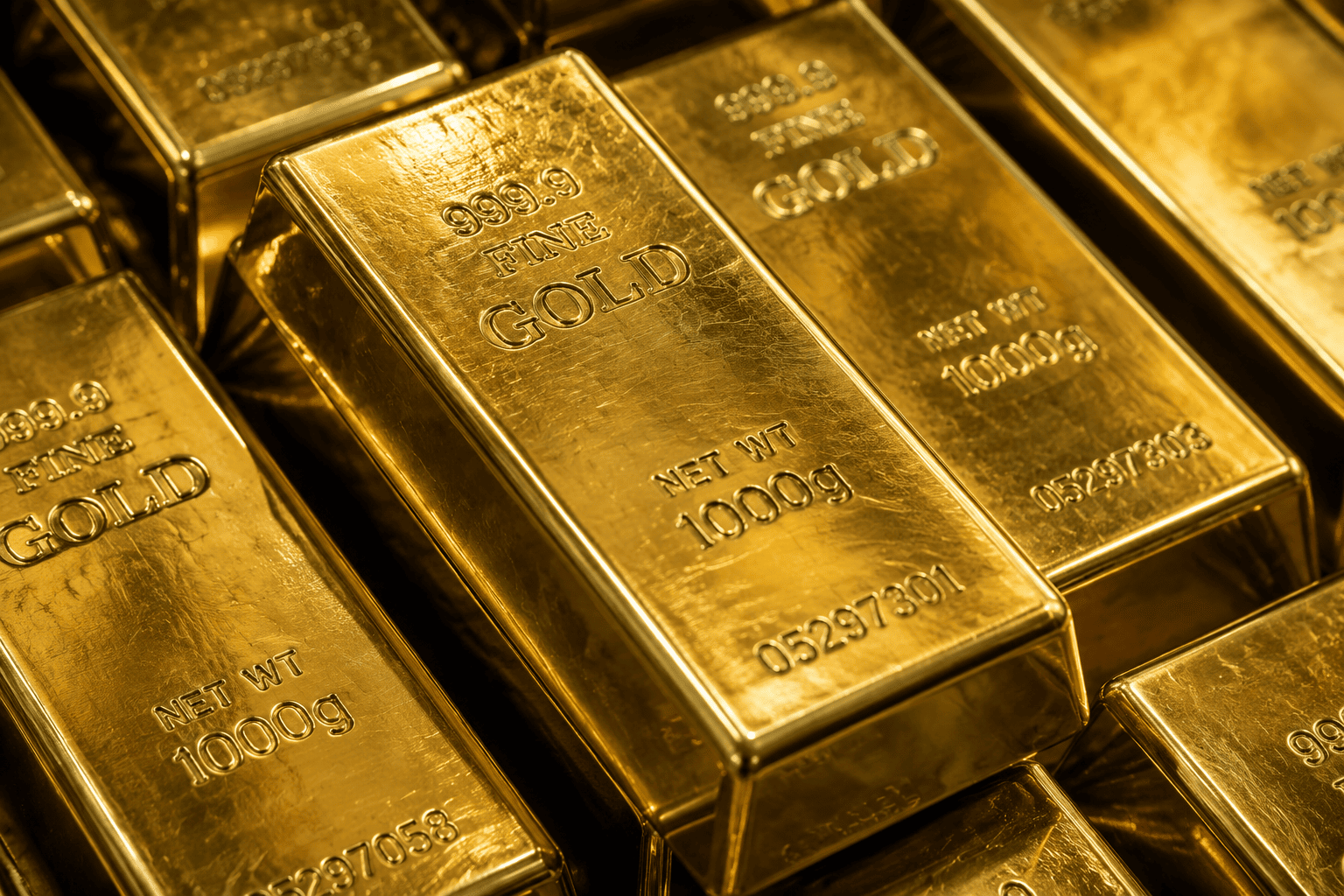
Gold prices slipped below the $4,050 mark during early US trading on Wednesday, as a rebound in crude oil prices—driven by renewed Middle East tensions—stoked inflation concerns ahead of the Federal Reserve's interest-rate decision. Spot gold was last seen near $4,049.60 per ounce, down 0.27%, while silver retreated to approximately $53.87, losing 0.90%.
The pullback in bullion follows Tuesday's gains, with investors now weighing the possibility of another rate hike in December. Silver remained under pressure amid worries about industrial demand and higher borrowing costs, which tend to dampen the appeal of non-yielding assets.

Fed's guidance remains key
Market participants are largely positioned for the Fed to keep rates unchanged on Wednesday, but expectations for further tightening remain elevated. According to CME FedWatch, traders assign an approximately 84% probability to at least one additional rate increase by December.
Elevated Treasury yields, a firm US dollar, and concerns about tighter monetary policy continue to weigh on bullion, limiting its safe-haven appeal despite ongoing geopolitical uncertainty. The 10-year Treasury yield stood at 5.010%, rising ahead of the central bank's decision.
Policymakers are widely expected to maintain the federal funds target range at 3.75% to 4.00%. Investors will instead focus on the accompanying statement and the Fed chair's assessment of inflation, employment conditions, and the possibility of another increase in December. Any dissents within the committee will also be closely watched.
If the Fed delivers less restrictive guidance, it could reduce expectations for a December rate increase, potentially supporting gold through lower Treasury yields and a weaker dollar. Conversely, persistent price pressures and a hawkish policy message could reinforce expectations for further tightening and put additional pressure on bullion.
Oil prices add further pressure
The security situation around the Strait of Hormuz and the broader US-Iran conflict remains a key source of volatility in energy markets. Renewed attacks involving Iran-aligned Houthi forces have threatened to undermine recent diplomatic efforts and raised concerns about energy infrastructure and commercial shipping.
Negotiations have yet to produce a confirmed settlement between Washington and Tehran, while threats to shipping and energy infrastructure continue to complicate efforts to restore normal traffic through the Strait of Hormuz. Oil prices rebounded on Wednesday, reversing much of the previous session's decline as the prospect of further escalation sustained a geopolitical risk premium in energy markets.
For gold, the renewed threat of military escalation can support safe-haven demand, but higher oil prices also risk intensifying inflation and strengthening expectations for further Fed tightening. These competing forces have limited bullion's response to geopolitical uncertainty.
Silver faces similar pressure from interest-rate expectations, while its industrial exposure leaves it vulnerable to higher energy costs and concerns about a slowdown in manufacturing activity.
This article is for informational purposes only and does not constitute financial advice.