US Treasury yields edged higher early Friday, stabilizing after a sharp decline in the previous session that brought the benchmark 10-year rate back below the 5% threshold. The 10-year yield rose 2 basis points to 4.9779%, while the two-year yield increased by the same amount to 4.6647%. The 30-year yield climbed more than 1 basis point to 5.3007%.
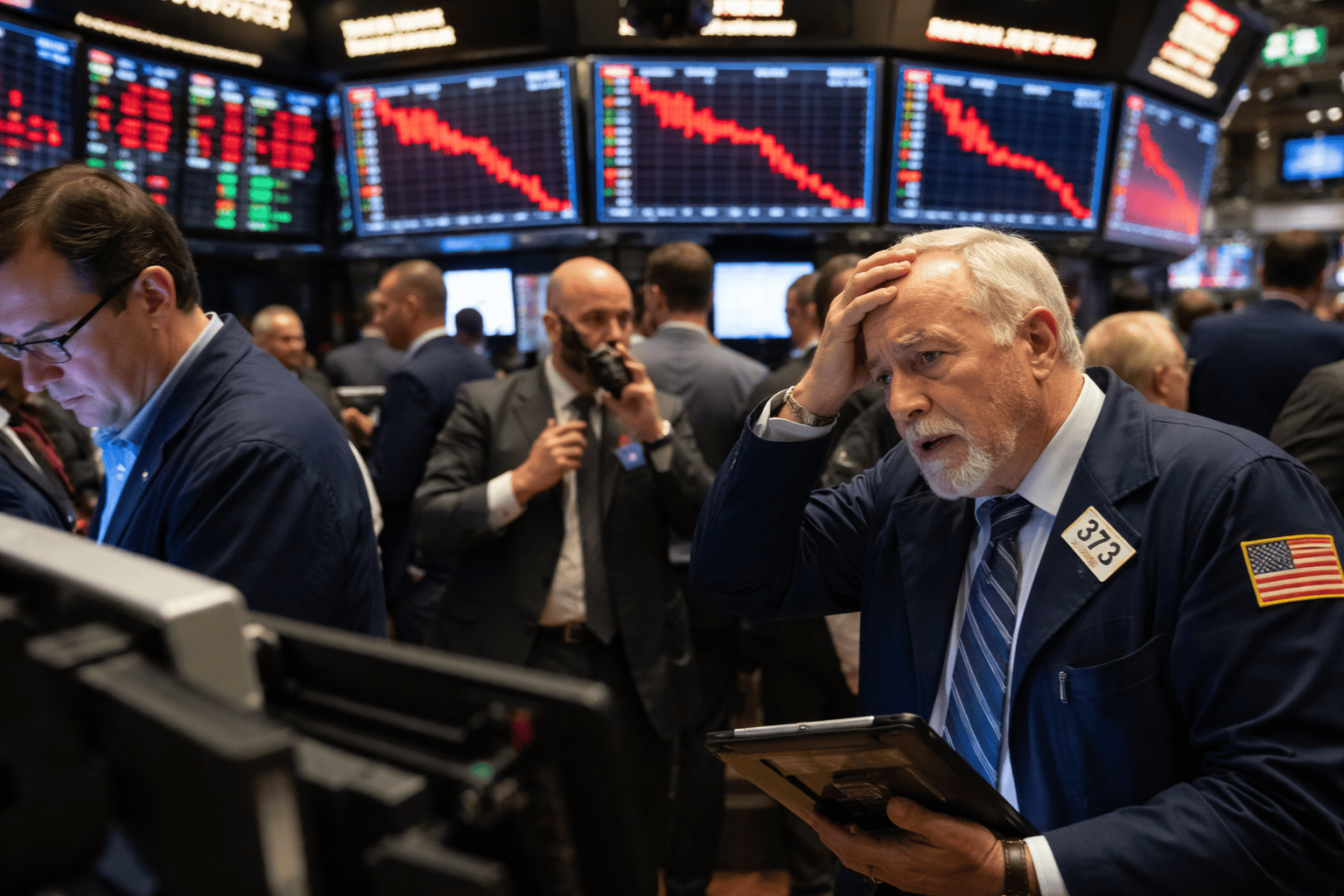
The moves follow a substantial rally in government bonds on Thursday, when investors sought safe-haven assets amid concerns about AI-related borrowing and geopolitical risks. The 10-year yield fell 17 basis points to 4.972%, its largest single-day decline since March 10, 2023, and its first move below 5% in a month.

"Yesterday, the yield on the US 10-year note dropped 17 basis points taking it back below 5.0% for the first time in a month. Given the selloff across US tech, the bond market rally looks like a flight to safety," David Morrison, Senior Market Analyst at Trade Nation, said in an emailed commentary.
Bond prices move inversely to yields, meaning the previous session’s decline reflected strong demand for US government debt.
Bank of America expects further declines
Bank of America strategists led by Michael Hartnett said they remained "tactically risk-off" until mid-November, anticipating further declines in stocks, Treasury yields and the US dollar before markets find a floor. The strategists expect the 30-year Treasury yield to move toward 5% and the dollar index to fall below 100.
They identified three developments that could help bring the current market weakness to an end: markets fully pricing in a Democratic sweep in the US midterm elections, the European Central Bank and French government halting the selloff in French bonds, and an indication that AI-related borrowing has peaked. The last condition could come through a reduction in capital expenditure by large technology companies or an extreme equity issuance announcement that signals a peak in spreads on hyperscaler debt.
The comments highlight how concerns over the financing of AI infrastructure have become a growing source of uncertainty for financial markets, alongside persistent inflation and geopolitical tensions.
Oil prices add to inflation concerns
Energy prices remained another source of pressure as fresh attacks by Iran-backed Houthi militants against Saudi Arabian facilities heightened concerns about potential supply disruptions. West Texas Intermediate crude futures for December delivery rose 1.16% to $100.61 a barrel, while Brent crude, the international benchmark, gained 0.79% to $114.06.
The latest gains followed reports earlier this week suggesting that the US and Israel could resume strikes against Iran after the November midterm elections. Higher oil prices threaten to keep inflation elevated, potentially complicating the Federal Reserve’s efforts to bring price growth back toward its 2% target. Persistent energy-driven inflation could also limit the central bank’s flexibility to ease monetary policy.
The combination of rising energy costs and concerns about government borrowing has helped keep longer-dated Treasury yields elevated, even as demand for safe-haven assets produced Thursday’s sharp decline.
Fed decision and PMI data in focus
Investors are also preparing for the Federal Reserve’s interest-rate decision next week. Friday’s flash S&P Global purchasing managers’ index readings for manufacturing and services could offer fresh clues about the strength of US economic activity and the direction of inflation pressures.
The data arrive at a sensitive point for markets, with investors balancing the possibility of tighter monetary policy against signs of growing caution around AI investment and geopolitical risks. The 10-year yield’s move below 5% on Thursday offered some relief after a period of heavy selling in government bonds. However, the modest rebound on Friday suggests that investors remain cautious about the outlook for inflation and interest rates.
This article is for informational purposes only and does not constitute financial advice.