Nvidia and AMD have committed a combined $4 billion to Meta Platforms' equity offering, signaling deepening ties between the social media giant and the leading AI chipmakers. The investments come as Meta expands its capital raise to $97.5 billion, up from the $95 billion announced a day earlier, to fund its aggressive artificial intelligence infrastructure buildout.
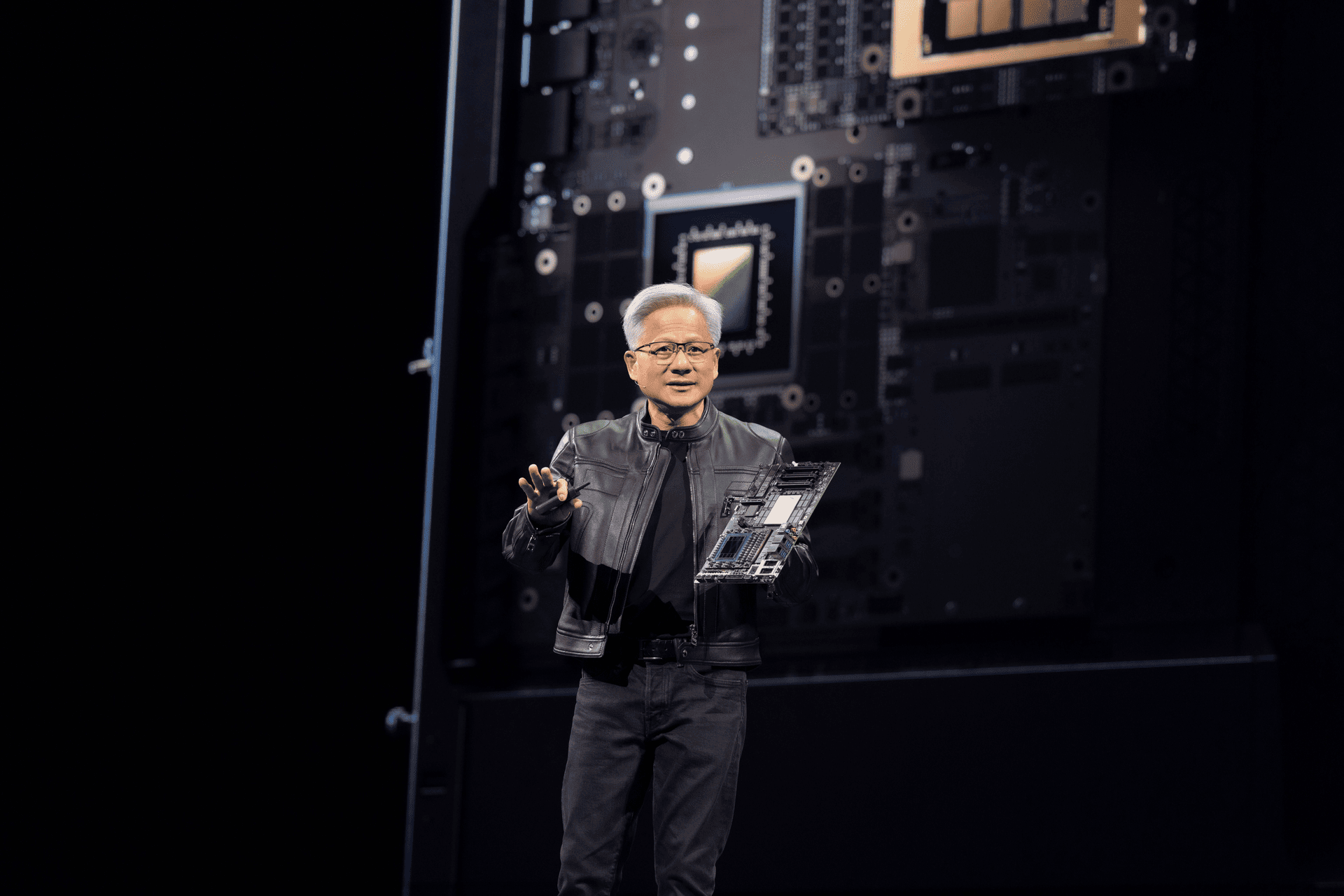
Meta has launched offerings of approximately $35 billion in common and preferred stock, with plans to raise an additional $60 billion through an at-the-market program. According to Meta's announcement, Nvidia, AMD, and Broadcom had expressed interest in purchasing up to $5 billion in shares. Nvidia's $3 billion investment accompanies an expanded partnership covering AI models, computing infrastructure, and software optimization. Meta will increase its use of Nvidia's Vera Rubin systems and Vera CPUs, while the companies will collaborate on networking and tools to enhance AI agent performance.

AMD separately announced a $1 billion investment in Meta's equity offering, alongside an expansion of their computing partnership spanning CPUs, GPUs, networking, and software. AMD said its Helios rack-scale systems are already installed and undergoing testing at Meta, with broader deployment planned. These agreements highlight Meta's efforts to secure computing capacity as it develops AI models and services to compete with rivals such as OpenAI and Anthropic.
In a related development, Microsoft is offering voluntary buyouts to approximately 60,000 eligible employees in the US, Canada, India, and the UK. The program covers employees at experience level 70 or below across several divisions, including AI experiences, Copilot, finance, human resources, Xbox, and Windows + Devices. Marketing, commercial business, and security teams are excluded. Microsoft employed 223,000 full-time workers globally as of June 30, 2026. This initiative follows an earlier voluntary retirement program introduced in April, which was available to about 9,000 US employees, and more than 30% of those eligible accepted the offer. The workforce adjustments come as Microsoft forecasts $175 billion in capital expenditure for calendar year 2026, with investors assessing whether its substantial AI investments can generate sufficient returns.
Gold prices rebounded on Tuesday, recovering from an earlier dip, as lower oil prices eased some inflation concerns ahead of the Federal Reserve's policy meeting. Spot gold gained 1.1% to $4,060.80 an ounce, after falling to $3,987.14 earlier in the session. US gold futures for December delivery rose 0.9% to $4,074.90. Investors are also awaiting US personal consumption expenditures inflation data, due Thursday. The Fed is expected to leave interest rates unchanged this week, but markets are pricing in an 83% probability of a rate increase in December, according to CME's FedWatch Tool. Higher interest rates generally weigh on gold by increasing the opportunity cost of holding a non-yielding asset. Analysts have also lowered their 2026 gold forecasts amid elevated Treasury yields, a stronger dollar, and expectations that rates will remain higher for longer.
Oil prices declined on Tuesday as traders monitored diplomatic efforts to ease the Middle East conflict, although prices remained near six-month highs. Brent crude futures fell 1.78% to $113.75 a barrel, while West Texas Intermediate declined 2% to $99.68. Iranian officials held discussions with representatives from Saudi Arabia, Turkey, and Pakistan, with the countries agreeing to continue talks on peace and security. However, renewed Houthi attacks on Saudi Arabia, including a claimed strike on the Ras Tanura oil refinery, kept supply concerns elevated. UBS raised its year-end Brent forecast to $110 a barrel from $100, citing geopolitical uncertainty and volatile Middle East supplies. Meanwhile, SEB analysts said oil prices continued to reflect the risk of further US and Israeli attacks on Iran. The competing signals from diplomacy and regional attacks kept energy markets volatile, with developments in the conflict remaining central to the outlook for oil prices.
This article is for informational purposes only and does not constitute financial advice.