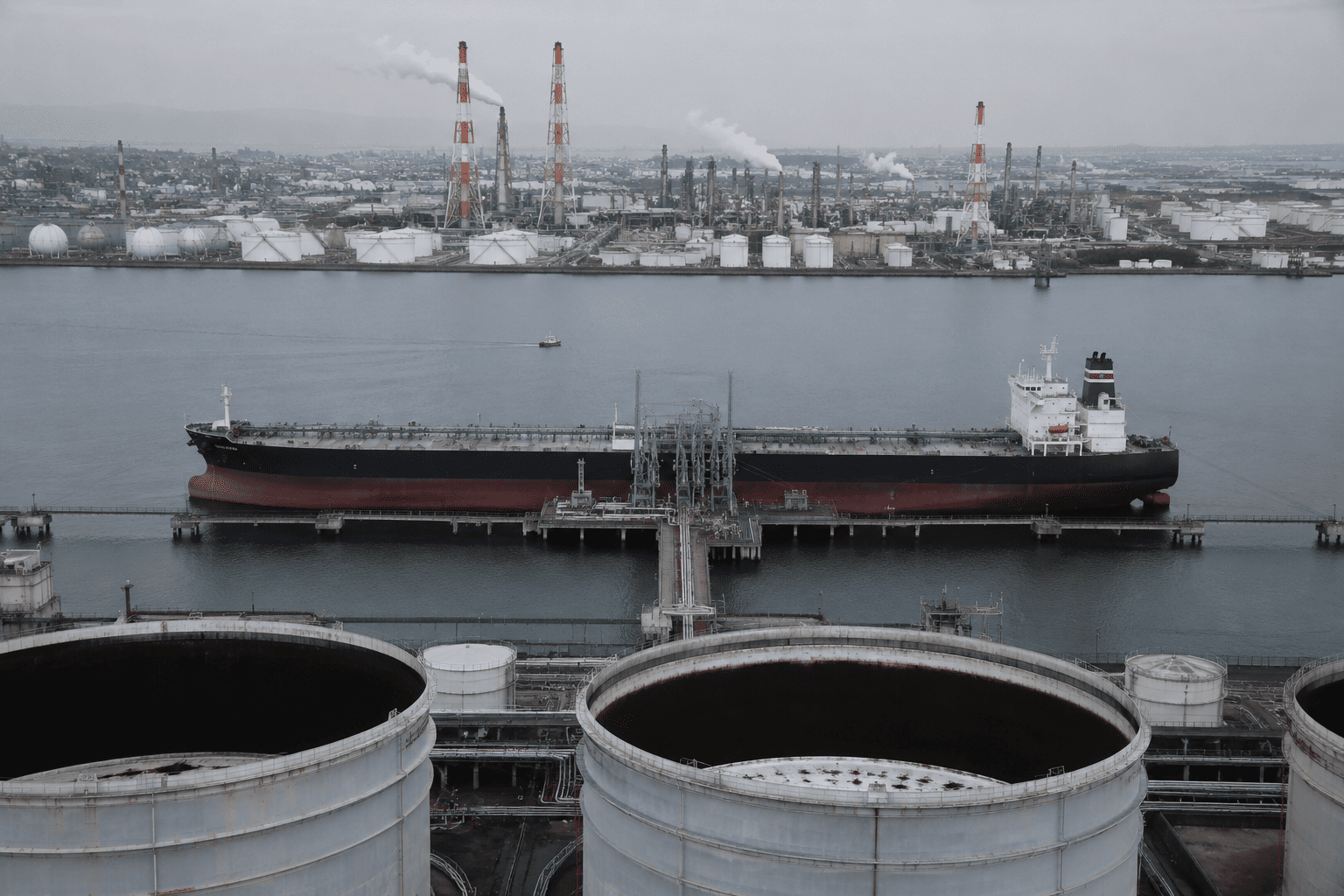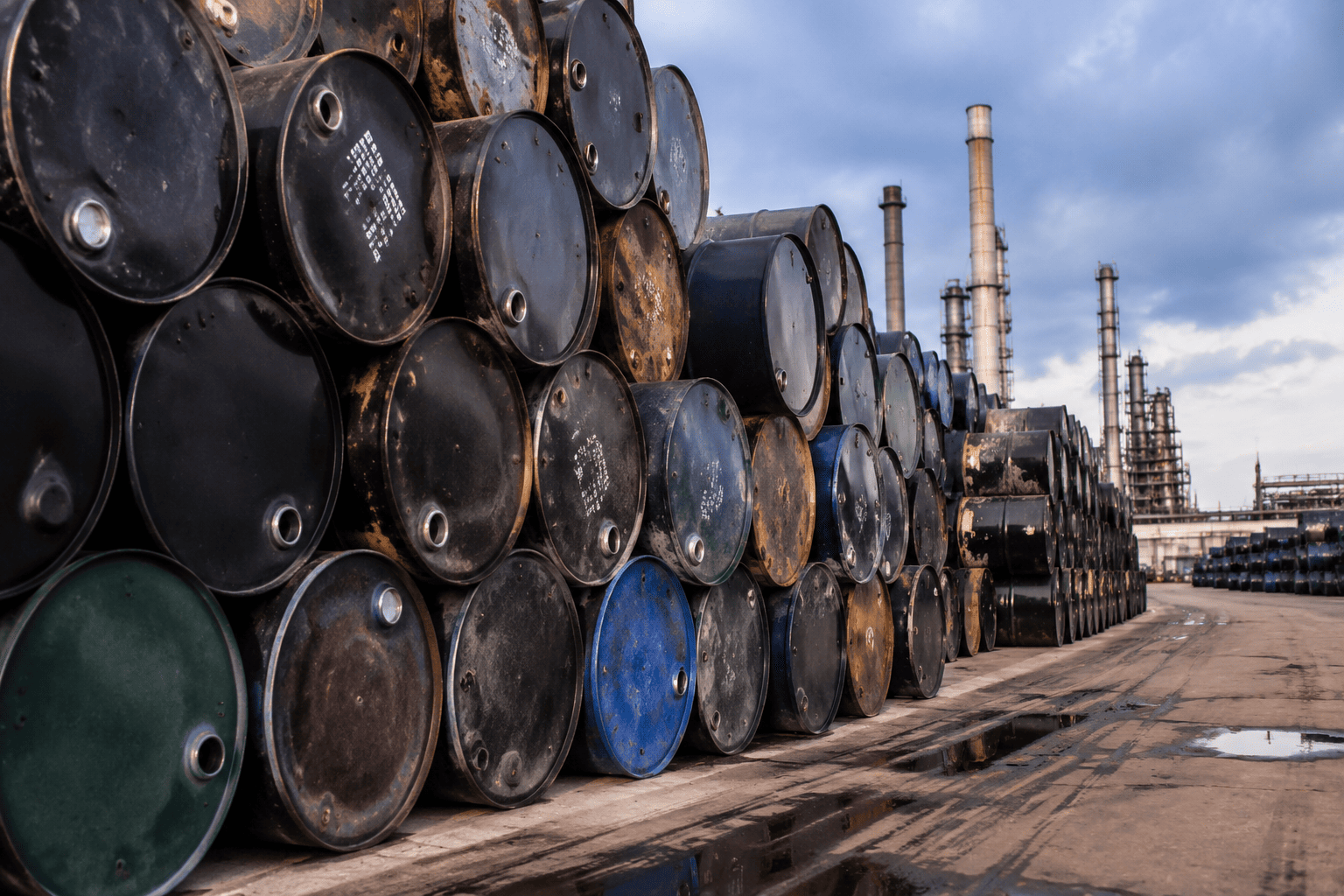
Oil prices rebounded on Tuesday after an early session dip, as diplomatic initiatives aimed at de-escalating Middle East tensions provided some relief, while continued attacks on Saudi infrastructure and commercial vessels sustained concerns over regional energy supply security.
Brent crude futures advanced 0.4% to $116.24 per barrel by 5:20 AM EST, while U.S. West Texas Intermediate crude rose 0.3% to $102.07. Both benchmarks had slipped about 1% earlier in the session. Last week, Brent surged above $117, its highest level since April, following attacks on tankers near the Strait of Hormuz.

Diplomatic Efforts Provide Temporary Respite
The initial decline in crude prices came after renewed diplomatic engagement raised hopes of containing the conflict. Officials from Saudi Arabia, Pakistan, and Turkey met with Iranian representatives in Tehran on Monday to discuss easing regional tensions. According to Iranian state media, the four nations agreed to continue dialogue to strengthen cooperation on regional peace and security.
A joint statement following the meeting, as reported by Press TV, indicated the countries "agreed to continue the dialogue to strengthen cooperation amongst the four regional countries, including for peace and security in the region." Additionally, a Qatari delegation visited Tehran on Sunday as part of broader efforts to reduce friction between Washington and Tehran.
These diplomatic openings encouraged traders to trim some of the risk premium embedded in oil prices. However, the talks have not yet produced a comprehensive settlement, leaving the outlook for energy shipments uncertain.
Renewed Attacks Keep Supply Risks Elevated
The security situation remains fragile. Iran-aligned Houthi fighters in Yemen claimed on Monday they had attacked Saudi Arabia's East-West crude oil pumping stations and Riyadh's King Khalid International Airport. Saudi Arabia has not yet confirmed the reported attacks on its oil facilities, though its Saudi-led coalition said it intercepted a missile aimed at Riyadh.
These attacks threaten Saudi Arabia's alternative oil export routes at a time when shipping through the Strait of Hormuz is already severely disrupted. Commercial shipping incidents have also intensified, with nearly 30 attacks on commercial ships and tankers in and around the Strait of Hormuz in October 2026, marking the worst month for maritime attacks since the conflict began, according to Al Jazeera.
Potential US-Israeli Strikes Add Uncertainty
The possibility of further military action adds another layer of uncertainty. President Donald Trump stated the U.S. would not attack Iran before the November 3 midterm elections, citing ongoing discussions with Tehran. However, reports indicate that the U.S. and Israel have prepared plans for potential renewed joint strikes in the weeks following the election.
Iran has warned that any new attack would trigger a more severe response, raising the risk of additional disruptions to oil production and shipping. For oil markets, the competing forces of diplomacy and military escalation are likely to keep prices volatile.
This article is for informational purposes only and does not constitute financial advice.