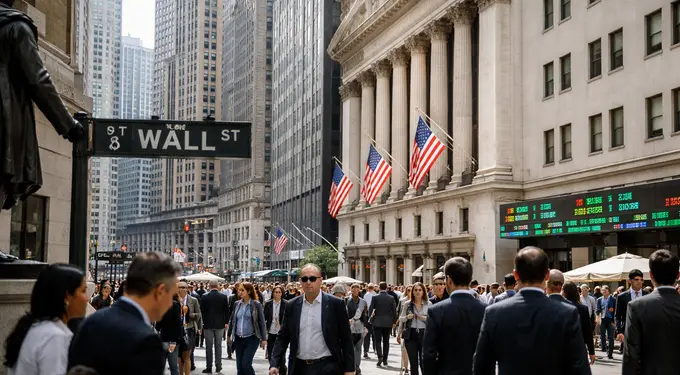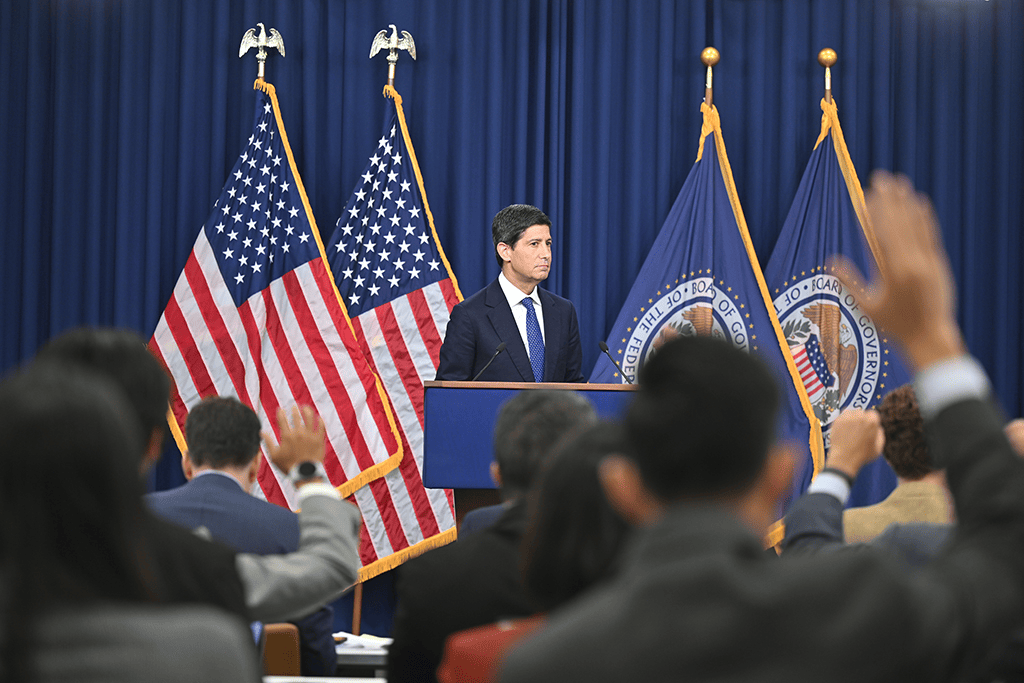
The Federal Reserve is poised to leave its benchmark interest rate unchanged at the conclusion of its two-day policy meeting on Wednesday, with investors focusing on signals about a possible move in December. The decision arrives just ahead of the midterm elections, where inflation and energy costs have become central issues, even as equity markets remain buoyant on the back of heavy investment in artificial intelligence.
According to CME FedWatch data, markets assign roughly a 90% probability that the Federal Open Market Committee will hold the federal funds target range at 3.75%–4.00%. The central bank last raised rates by a quarter percentage point in September, marking its first increase since 2023. No updated economic projections or dot plot will accompany the statement, leaving investors without fresh forecasts of policymakers' rate expectations.
Inflation vs. Labor Market
September consumer prices rose 3.7% year over year, up from 3.4% in August, while core CPI accelerated to 2.6% from 2.4%. Producer prices also climbed 1.3% month over month, the largest increase in four and a half years. Elevated oil prices add another layer of complexity, as higher energy costs can feed through to transportation, freight, and other goods, potentially making inflation harder to contain.
However, raising rates cannot directly resolve an oil supply shock and could weaken economic activity. The labor market offers a counterweight: employers added just 29,000 jobs in September, well below the expected 90,000, and revisions reduced July and August payroll growth by a combined 60,000. Thursday's personal consumption expenditures inflation data will provide another important input for the December debate.
Warsh's Forward Guidance
Chair Kevin Warsh has indicated he does not intend to offer detailed forward guidance, saying, “I don’t prejudge meetings.” Investors will parse his remarks for any change in the Fed's assessment of inflation, employment risks, and how restrictive current policy needs to be. A hawkish tone that keeps further tightening on the table is expected, but Warsh may avoid committing to a December move, leaving incoming data to determine the next step.
Voting Record and Market Reaction
With Warsh unlikely to provide much hint about the policy path, the voting record could reveal what policymakers are thinking. September's decision was unanimous, but a dissent in favor of another increase this time would signal that some officials believe inflation requires a more aggressive response. That would bring a December rate hike truly into the picture; markets currently expect an 85% chance of further tightening at the December meeting.
A pause accompanied by relatively neutral language could support equities in the near term. Conversely, a hawkish statement, unexpected dissent, or warning about persistent inflation could push Treasury yields higher and pressure rate-sensitive sectors. The statement and press conference will help determine whether the market's December expectations strengthen or fade, setting the tone for markets heading into the midterms and the final weeks of the year.
This article is for informational purposes only and does not constitute financial advice.