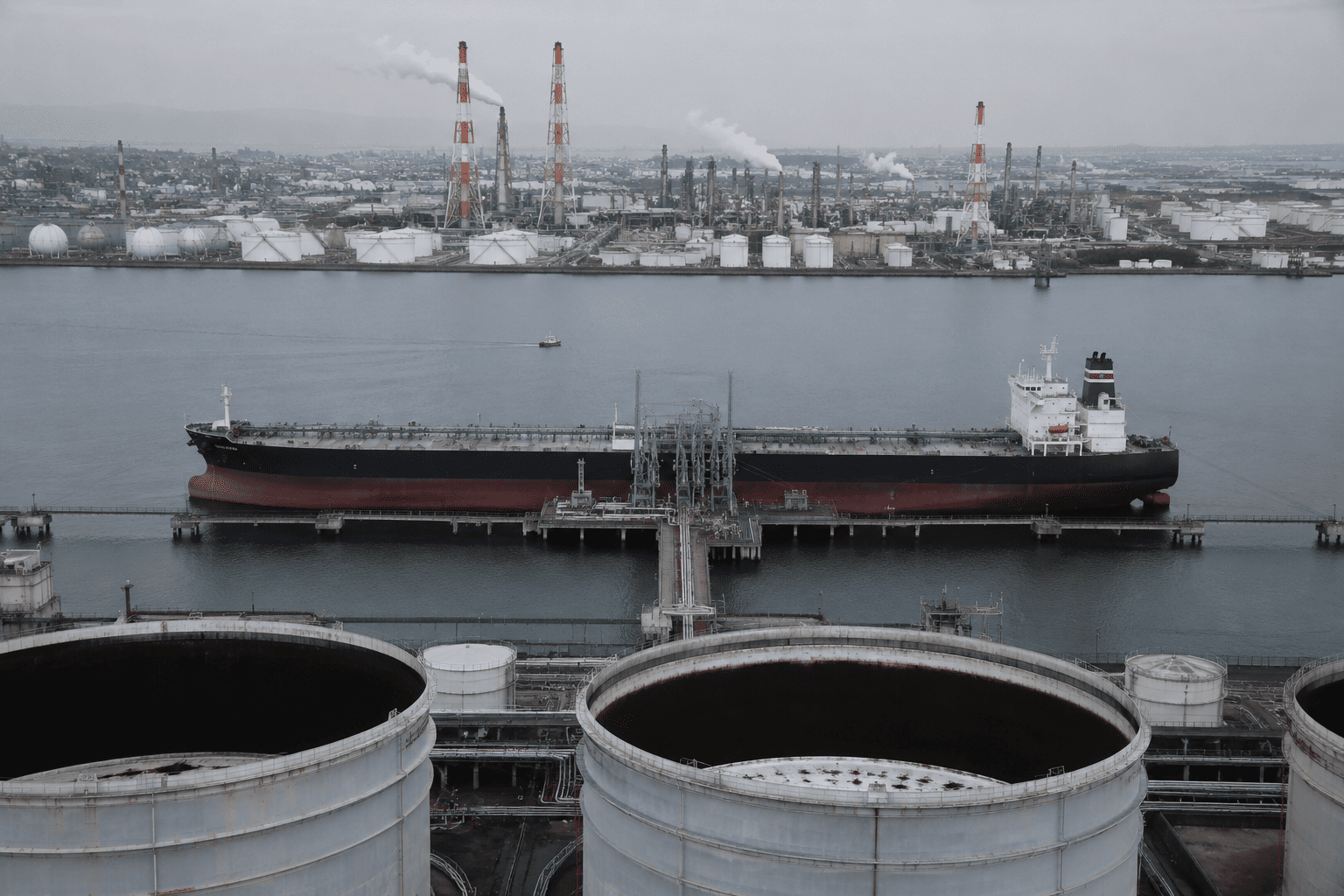
Oil prices extended gains on Wednesday as fresh attacks on Saudi energy infrastructure intensified concerns about supply disruptions in the Middle East, with diplomatic efforts showing little progress. Brent crude futures rose 1.2% to around $115.4 a barrel, while West Texas Intermediate (WTI) gained nearly 1.5% to approximately $101.38.
The market has remained in the mid-$110 range this week, reflecting persistent uncertainty over the US-Iran conflict and the lack of a clear path toward de-escalation. The latest trigger came from Yemen's Houthi movement, which claimed responsibility for a missile strike on Saudi Arabia's Ras Tanura refinery, the kingdom's largest, with a processing capacity of 550,000 barrels per day. The attack reportedly caused a fire at the facility, which had been shut during the early phase of the US-Iran war.
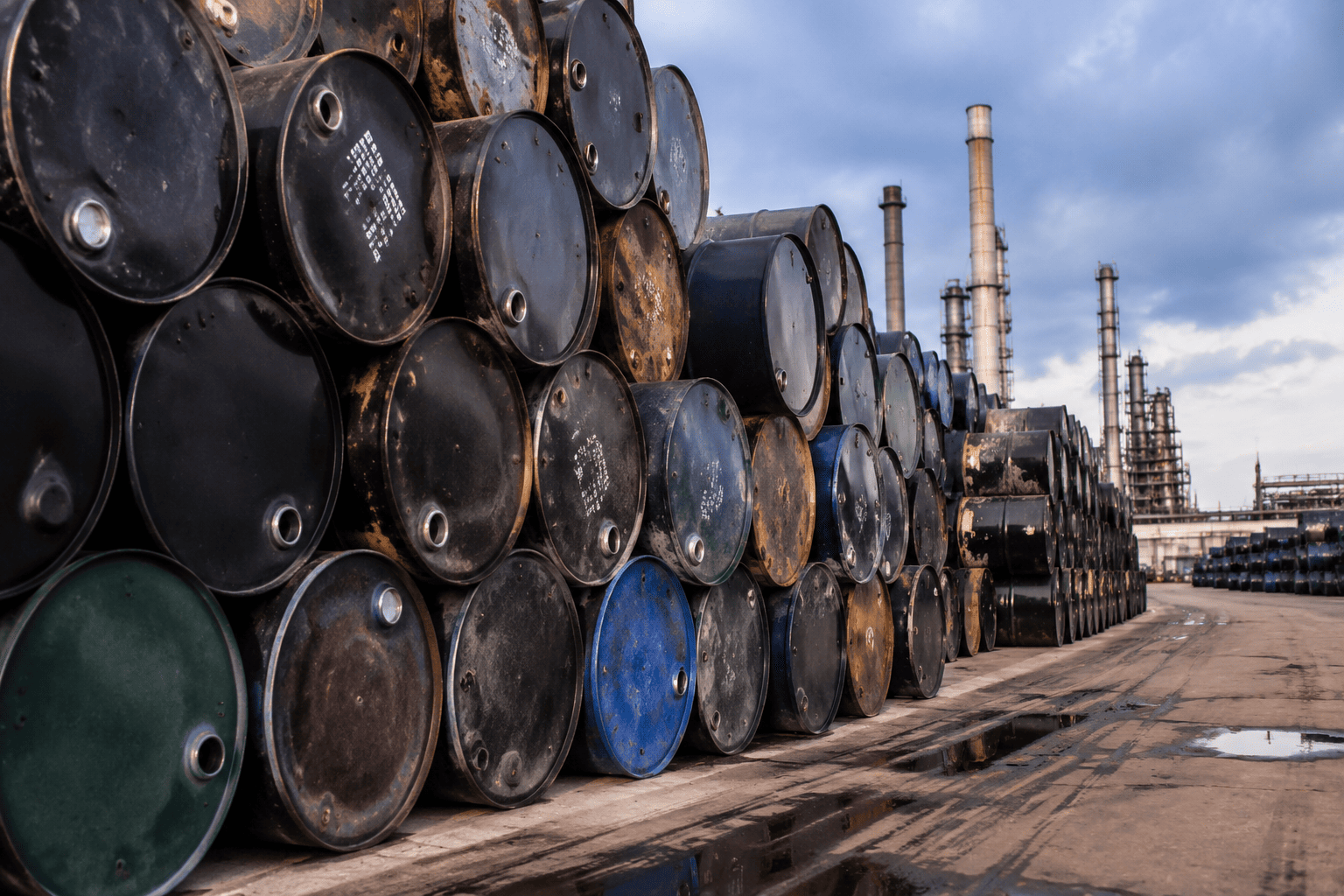
This incident underscores the vulnerability of critical energy infrastructure in the region. Any further attacks could disrupt supplies or elevate the geopolitical risk premium embedded in oil prices. Meanwhile, talks held in Tehran on Monday involving Saudi Arabia, Pakistan, and Turkey with Iranian officials have yet to yield a breakthrough that would reassure markets.
US-Iran conflict remains unresolved
Prospects for an end to the US-Iran war remain uncertain. President Donald Trump reiterated on Tuesday that any agreement must prevent Iran from acquiring a nuclear weapon, and he did not rule out military action after the November 3 midterm elections. Reports of Washington preparing for a prolonged conflict, along with a surge in attacks on commercial shipping, have added to market anxiety.
According to Al Jazeera, nearly 30 attacks on commercial ships and tankers in and around the Strait of Hormuz were reported in October 2026, marking the worst month for maritime incidents since the conflict began. This escalation has heightened concerns about the security of key shipping lanes.
Midterms seen as pivotal for oil outlook
Analysts at ING believe that oil's recent gains reflect a market assigning a higher probability to renewed escalation. They suggest that clarity on the Middle East situation may only emerge after the US midterms. If the elections pass without renewed strikes on Iran, the geopolitical risk premium could begin to erode, potentially leading to lower prices even without a formal US-Iran agreement.
Investors are also awaiting the US Energy Information Administration's weekly oil inventory report, due later Wednesday, for fresh indications of supply and demand dynamics.
This article is for informational purposes only and does not constitute financial advice.