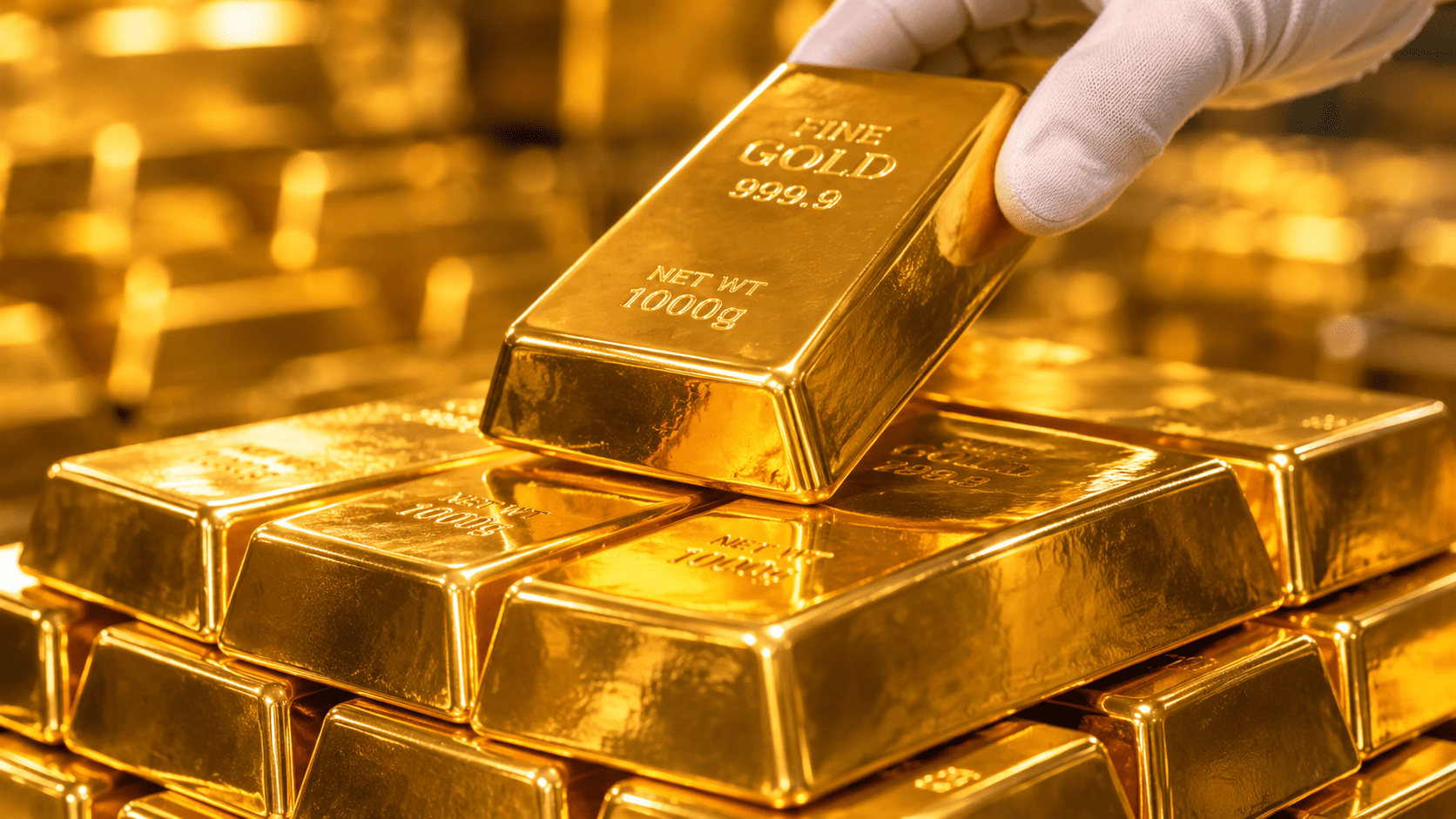
Gold prices extended their rally on Thursday, holding above the $4,100 mark even after the Bank of England raised its benchmark interest rate to 4%. The precious metal climbed 1.9% to $4,134.82 an ounce, its highest level in more than two weeks, buoyed by a softer US dollar and a decline in Treasury yields.
The rally follows a 3.4% jump on Wednesday, the largest single-day gain since August, as investors returned to bullion after the Democratic Party's victory in the US midterm elections. The election outcome raised expectations of legislative gridlock, which could limit additional government spending and fiscal stimulus.
Weaker dollar and falling yields support gold
The primary support for gold came from a weaker US dollar and lower Treasury yields, which remained near multi-week lows on Thursday. A softer dollar makes gold cheaper for international buyers, while lower bond yields reduce the opportunity cost of holding non-yielding assets like bullion.
According to Ole Hansen, head of commodity strategy at Saxo Bank, precious metals have emerged as major winners following the elections. He noted that the combination of falling energy prices, easing inflation concerns, and declining Treasury yields has forced speculative shorts to cover, adding to the upward momentum.
Oil price decline eases inflation worries
Oil prices also played a crucial role in gold's recovery. Brent crude dropped more than 8% on Wednesday and remained below $100 a barrel on Thursday, despite a slight uptick. The decline followed renewed hopes that political pressure could lead to a diplomatic resolution in the Middle East conflict, easing concerns about persistent inflation and prolonged monetary tightening.
Lower energy costs reduce inflationary pressures, which in turn supports gold as an inflation hedge. The recent slide in crude has alleviated some of the fears that had weighed on the metal in previous weeks.
Bank of England raises rates to 4%
In the UK, the Bank of England raised its benchmark rate by 25 basis points to 4% on Thursday, its first increase in over three years. The central bank warned that UK inflation could reach around 5% by mid-2027, driven by higher energy costs from the Middle East conflict. Despite the rate hike, gold held its gains, indicating that the market had largely priced in the move.
Investors are now turning their attention to Friday's US nonfarm payrolls report, which could provide fresh clues about the labor market and the Federal Reserve's policy direction. Stronger employment figures might reinforce expectations of another Fed rate increase in December, potentially capping gold's upside. Conversely, softer data could ease concerns about monetary tightening and provide additional support for bullion.
OCBC strategists remain cautiously optimistic that gold may be finding its footing, but they note that further gains would likely require some moderation in Fed tightening expectations and a continued recovery in investment demand.
This article is for informational purposes only and does not constitute financial advice.