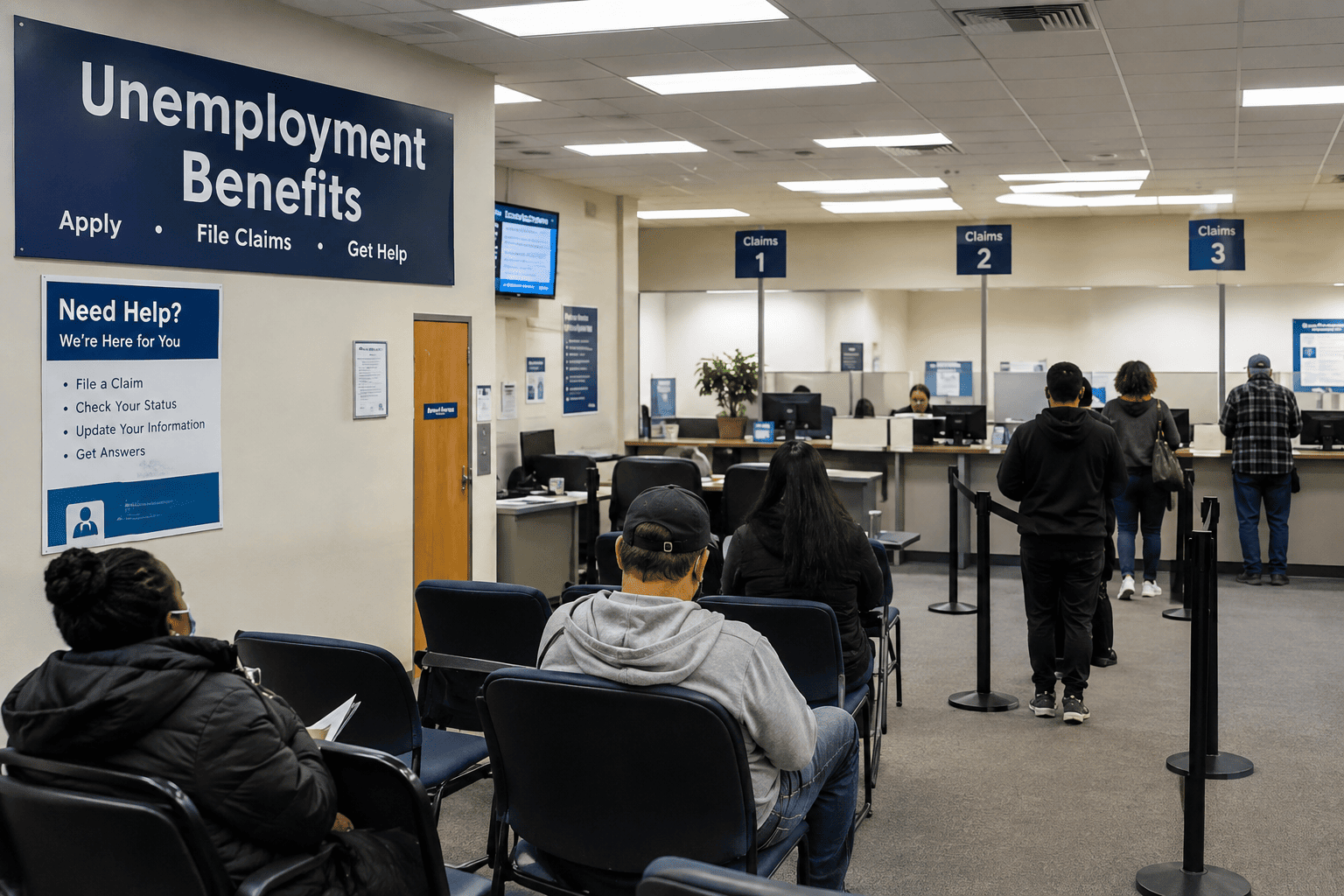
A recent study by the European Central Bank (ECB) indicates that the rapid adoption of artificial intelligence (AI) has not yet significantly disrupted aggregate employment or wages in the United States, despite growing concerns about automation. The research, released Monday, suggests that while AI is reshaping certain job categories, its broader labor market effects remain limited for now.
Aggregate Impact Remains Limited
The ECB study focuses on the US labor market, where AI adoption is expected to be most advanced due to the presence of leading tech firms and a flexible labor environment. The report notes that AI can influence employment in two opposing ways: by boosting productivity and enabling business expansion, which supports job growth, or by automating tasks and displacing workers. To date, the net effect on total employment has been muted, with firm-level data showing positive employment gains that are unevenly distributed across occupations.
Early evidence from the European Union also points to higher productivity at AI-adopting firms without significant short-term labor replacement. The ECB's own survey findings indicate that companies with high AI adoption or related investment are more likely to hire additional staff, suggesting that AI may be complementing rather than replacing workers in many cases.
Pressure Builds in High-Risk Occupations
Despite the stable aggregate picture, the study identifies growing strain in occupations with a high risk of AI substitution. Using an occupation-level index, the ECB found that employment in high-risk roles—such as economists and graphic designers—fell by more than 4% on average between 2019 and 2025. In contrast, low-risk occupations, including electricians and high school teachers, saw employment rise by 13% over the same period.
This shift has altered the composition of the US labor market. The share of low-risk jobs in total employment increased to 25% from 23%, while the share of high-risk jobs declined to 33% from 35%. The ECB attributes this to AI-driven job reallocation, with high-risk positions growing about 15 percentage points less than low-risk ones between 2019 and 2025, after controlling for sector-specific factors and the COVID-19 shock.
Impact Appears to Be Accelerating
The ECB notes that the trend has accelerated since the launch of ChatGPT in late 2022, suggesting that AI's labor market effects may become more pronounced as adoption deepens. The findings align with a growing body of research showing that AI is affecting employment outcomes for specific occupational groups, particularly those more exposed to automation.
For investors, these insights highlight the importance of monitoring sector-specific labor dynamics. While AI may not yet be a broad macroeconomic disruptor, its impact on certain industries and job categories could influence company performance and market trends. For more on related market movements, see our coverage of AI Chip Demand Propels SK Hynix Past Samsung as South Korea's Top Stock and Micron Stock Dips 1.4% as Goldman Flags Elevated Expectations Ahead of June 24 Earnings.
This article is for informational purposes only and does not constitute financial advice.